Venezuelan man rescued from rubble eight days after major earthquakes
International teams extracted Hernán Alberto Gil Flores from debris in Catia La Mar, offering a rare moment of hope amid a disaster that has claimed thousands of lives.

- Core Development: International teams extracted Hernán Alberto Gil Flores from debris in Catia La Mar, offering a rare moment of hope amid a disaster that has claimed thousands of lives.
- Beat Context: Categorized under World with independent corroboration.
- Reporting Depth: 3 minute analytical read synthesized from verified newsroom sources.
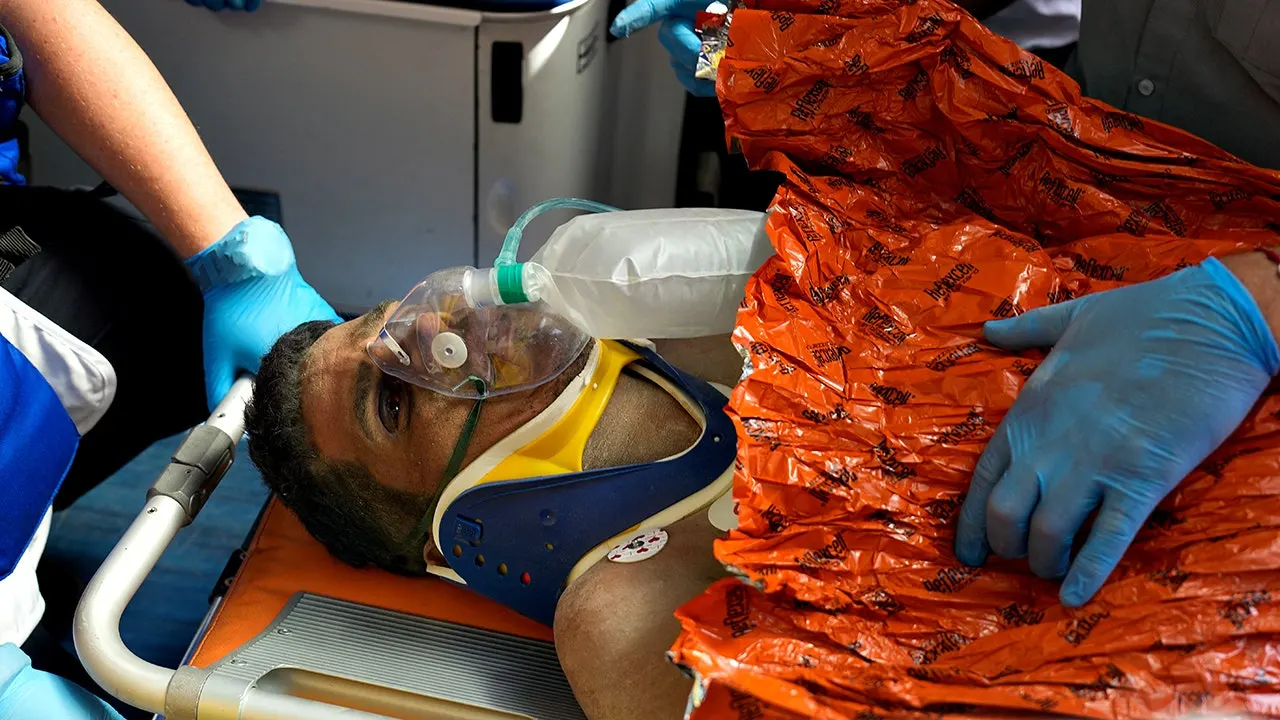
A multinational rescue team successfully extracted a 43-year-old security guard from the rubble of a collapsed shopping centre on Thursday, 2 July 2026, marking a rare moment of survival eight days after devastating earthquakes struck Venezuela. The rescue of Hernán Alberto Gil Flores in the coastal town of Catia La Mar provided a brief period of hope as the nation grapples with the aftermath of twin magnitude 7.2 and 7.5 tremors that hit on 24 June 2026.
Gil Flores was working a night shift inside a small security booth in the basement of the Galerías Playa Grande complex when the structures collapsed. The booth remained intact, providing him with a critical pocket of air amidst the debris. Rescuers from Venezuela, Chile, the United States, Portugal, Costa Rica, El Salvador, and Mexico coordinated the effort, which Chilean lead medic Vincenzo Borgna described as extremely complex and dangerous
to Sbs News.
Media additions

Chronology of the Rescue
- 24 June: Twin earthquakes strike northern Venezuela, causing the Galerías Playa Grande shopping centre to collapse.
- 2 July: After more than 100 hours of continuous work, Gil Flores is pulled from the rubble and transported to a hospital.
The rescue required the team to dig two separate tunnels due to the instability of the ruins, which had been further compromised by torrential rain and aftershocks. Throughout the final three days, responders supplied Gil Flores with water and liquid nutrients via a hose and maintained contact through a telescopic camera. Costa Rican rescuer Minyar Collado noted that the survivor had initially requested that his family not be told he was alive, fearing the potential for disappointment if the extraction failed.
While the recovery of Gil Flores has been widely celebrated, it stands in stark contrast to the broader disaster. According to government updates, at least 2,295 people have been confirmed dead, with over 11,000 injured. Tens of thousands of buildings were damaged or destroyed, leaving approximately 13,000 people homeless. As the focus shifts from rescue to recovery, humanitarian groups are increasingly concerned about the state of the country’s infrastructure and health services.
Operational Challenges and Humanitarian Context
The scale of the disaster has strained resources significantly. Experts warn that health systems, already struggling with pre-existing shortages, are now at risk of outbreaks of infectious diseases. The World Food Programme has issued an appeal for $50m to support half a million people. In the affected regions, reports of looting have prompted police and military patrols, while aid queues grow in length.
Acting President Delcy Rodríguez publicly praised the rescue effort on social media, describing it as proof of the greatness of humanity
when united for a single purpose, according to reports by ABC News. However, this praise comes amid public criticism from citizens who argue the state’s response to the disaster has been inadequate.
What to Watch Next
- Recovery Phase: International search teams are increasingly shifting their focus from active rescue to the recovery of victims.
- Public Health: Health agencies are monitoring for potential disease outbreaks, citing the lack of electricity and medical supplies.
- Aid Distribution: Continued monitoring of the $50m World Food Programme appeal and the effectiveness of aid delivery in the La Guaira state.
As rescuers continue to mark sites as deceased in areas where no further life is detected, the survival of Gil Flores remains a notable exception. For his wife, Gusbimar González, the rescue provided a ray of light in the darkness
after a week of despair, as reported by Fox News. Efforts in the region now move towards clearing debris and managing the long-term needs of the thousands displaced by the tremors.
How significant is this development?
Contribute your assessment to the aggregated reader sentiment ledger.
Frequently Asked Questions
Key questions answered in this reportWhat is the key development in: Venezuelan man rescued from rubble eight days after major earthquakes?
International teams extracted Hernán Alberto Gil Flores from debris in Catia La Mar, offering a rare moment of hope amid a disaster that has claimed thousands of lives.
Why is this World development significant for the UK?
This report covers critical events in our World beat. Independent reporting monitors related UK statements, regulatory shifts, and public responses as further verified details emerge.
How was this reporting corroborated and verified?
Newsarchy UK compiles and cross-references reporting from primary reporting from apnews.com and cross-checked wire reports. All coverage adheres to published editorial standards.
When was this report published?
This briefing was published on July 3, 2026 and is permanently cataloged in the Newsarchy UK World archives.