Israeli settlers torch olive trees, attack Palestinians and US journalist
Masked Israeli settlers torched olive trees and attacked Palestinian farmers and Washington Post photojournalist Heidi Levine during the annual harvest in the West Bank village of Abu Falah.

- Core Development: Masked Israeli settlers torched olive trees and attacked Palestinian farmers and Washington Post photojournalist Heidi Levine during the annual harvest in the West Bank village of Abu Falah.
- Beat Context: Categorized under World with independent corroboration.
- Reporting Depth: 5 minute analytical read synthesized from verified newsroom sources.
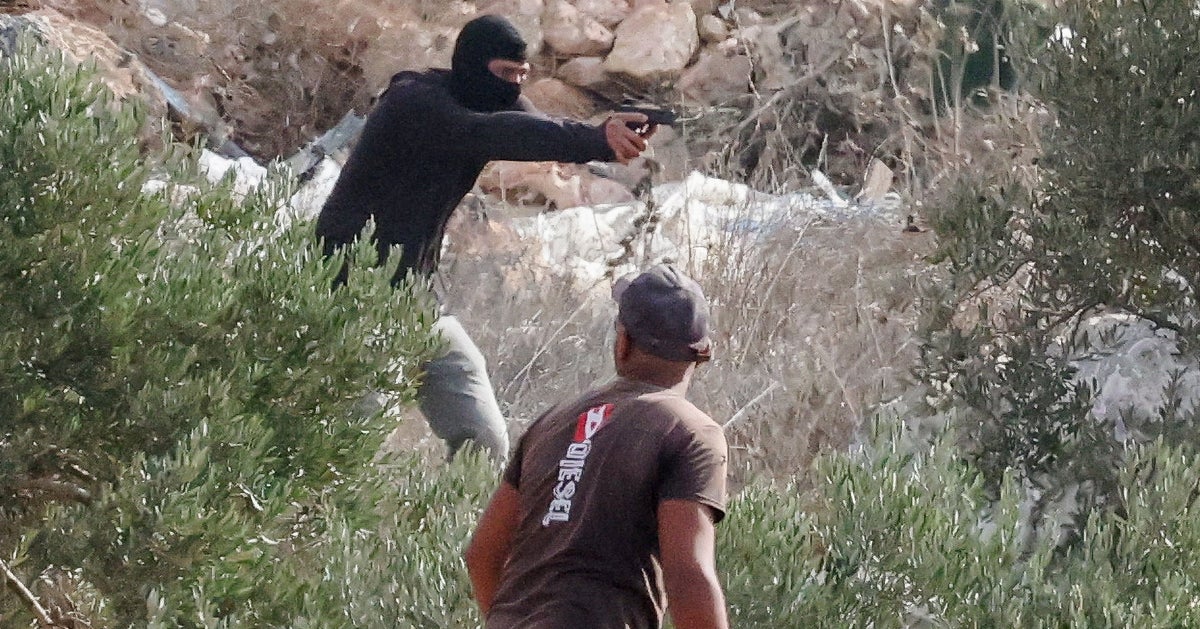
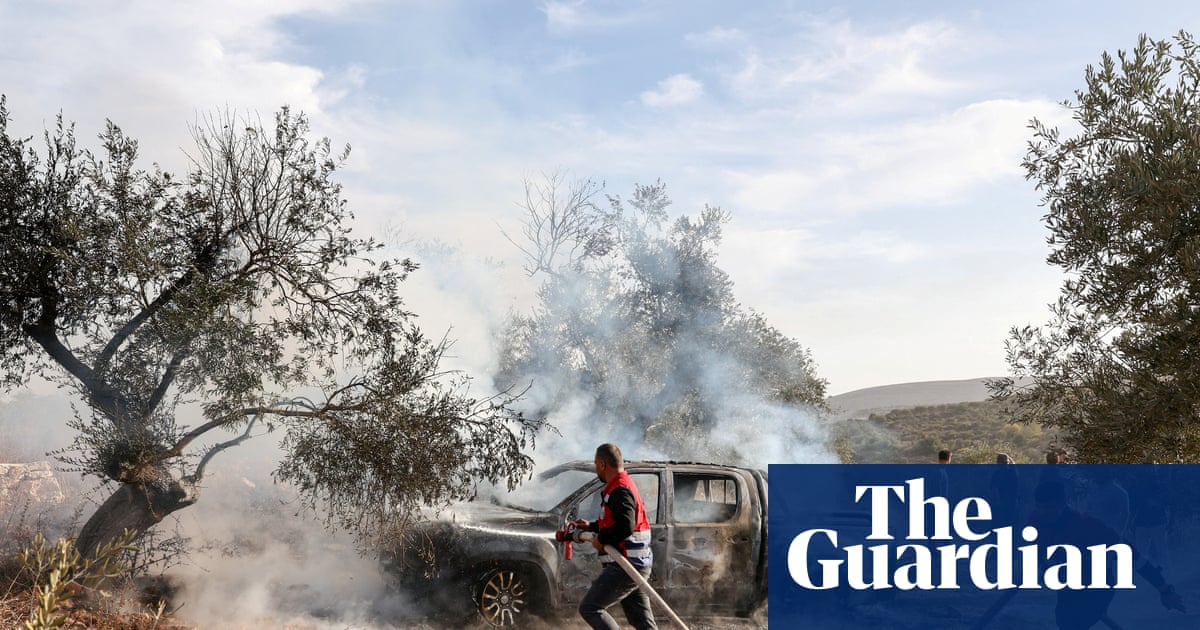
On Friday, 16 October 2026, a coordinated assault on the West Bank village of Abu Falah transformed the annual olive harvest into a scene of violence and arson. Approximately 80 masked Israeli settlers descended from a nearby hill, carrying gas canisters and clubs. They hurled stones and launched projectiles using slingshots at Palestinian farmers who had gathered to collect ripe fruit. The attackers set fire to multiple olive trees within the terraced groves, while villagers, some armed with stones, threw rocks back to defend themselves. Moutaz Abdelhadi, a 42-year-old farmer who witnessed the event, stated that the attackers intended to force residents from their homes.
Targeting the Press and Civilians
Among those injured during the chaos was Heidi Levine, a 64-year-old photojournalist working for the Washington Post. Witnesses, including independent journalist Jasper Nathaniel, described Levine being knocked to the ground, surrounded by at least three settlers, and repeatedly kicked and clubbed. Levine recounted from a Ramallah hospital bed that she was pushed to the ground and kicked approximately 50 times, noting that her flak jacket and helmet marked with "PRESS" saved her from more severe injuries. Her equipment, including cameras and her phone, was taken during the assault. Levine stated that the attack ended only when her Palestinian colleagues intervened. Medics subsequently transported her to a clinic in Abu Falah and then to a hospital in Ramallah, where she was listed in stable condition.
Media additions

Military and Security Response
During the assault, at least two Israeli military jeeps drove rapidly through the area, kicking up dust as villagers scattered. Witnesses reported that the violence continued after the military arrived. Israeli soldiers fired tear gas toward Palestinians who had dodged the vehicles, and live gunfire was heard in the vicinity, with a Reuters photographer observing at least an armed settler firing a gun. Witnesses including Andrey Khrzhanovskiy alleged that soldiers did nothing to stop the settlers. According to the Israeli Defense Forces (IDF), personnel were dispatched following reports of a violent confrontation, and forces used riot-dispersal means. The military added that soldiers fired warning shots and discharged ammunition toward a suspect carrying a sharp object at another location where confrontations occurred.
Broader Harvest Violence
The incident in Abu Falah was part of a wider wave of violence across the West Bank on Friday, 16 October 2026. Local officials and the Palestine Red Crescent Society reported attacks in at least eight northern villages where olive groves are concentrated. In the nearby village of Turmus Ayya, settlers burned several cars and attacked farmers. Mayor Nawaf Zghoul stated that settlers lay in wait for individuals working on their land. Similar attacks and arson were reported in other locations, including Burqa, where four Palestinians were reportedly injured. Palestinian authorities reported that at least four Palestinians had been killed and over 100 injured since the harvest season began earlier in the month, while the Palestinian Red Crescent Society tended to 14 wounded people across six locations on Friday alone.
Reactions and Differing Accounts
Washington Post executive editor Matt Murray issued a statement condemning the assault. We are outraged by this unwarranted attack on a journalist doing her job and urge a thorough investigation and follow-through from authorities,
Murray said. The Foreign Press Association also condemned the incident as part of a long line of unaddressed attacks against journalists and civilians. Conversely, the office of Israeli Prime Minister Benjamin Netanyahu stated that the facts surrounding the attack remained unclear and required investigation, suggesting that the confrontation involved roughly 200 Arabs and far-left activists facing off against about 40 Israeli youths. Netanyahu’s office stated that Israel condemns violence against anyone, while also warning against exploiting disputed incidents to demonize law-abiding residents.
Numbers and Scope
| Source | Injuries in Abu Falah | Reported Context |
|---|---|---|
| Reuters | 2 (Levine + one Palestinian) | 170 Yesh Din attacks since September 27 |
| Al Jazeera | 2 (Levine + one Palestinian) | 14 wounded across locations by Red Crescent; 1,600+ OCHA attacks Jan–Aug |
| NewsCord | 2 (Levine + one Palestinian) | At least eight injured across multiple West Bank locations |
Human rights monitors and international bodies have linked the surge in violence to the policies of Israel's right-wing government and the rapid expansion of settlements and illegal outposts. Yesh Din reported recording at least 170 settler attacks since September 27, marking the start of the harvest season, which already outpaces figures from previous years. The UN Office for the Coordination of Humanitarian Affairs previously documented more than 1,600 attacks across the territory between January and August. The West Bank is home to approximately 500,000 settlers and at least 3 million Palestinians. While the international community views settlements as illegal under international law, Israel rejects this classification, describing the territory as disputed.
What Happens Next
Israeli authorities have announced that all circumstances surrounding the incident will be examined, and the Israeli military stated it will review the actions of the soldiers present. The Washington Post and international press freedom groups continue to call for accountability and follow-through from authorities. Meanwhile, rights organizations and monitors anticipate that violence surrounding the annual olive harvest will remain high, leaving Palestinian farmers to face continued threats to their livelihoods and access to their land.
How significant is this development?
Contribute your assessment to the aggregated reader sentiment ledger.
Frequently Asked Questions
Key questions answered in this reportWhat is the key development in: Israeli settlers torch olive trees, attack Palestinians and US journalist?
Masked Israeli settlers torched olive trees and attacked Palestinian farmers and Washington Post photojournalist Heidi Levine during the annual harvest in the West Bank village of Abu Falah.
Why is this World development significant for the UK?
This report covers critical events in our World beat. Independent reporting monitors related UK statements, regulatory shifts, and public responses as further verified details emerge.
How was this reporting corroborated and verified?
Newsarchy UK compiles and cross-references reporting from primary reporting from theglobeandmail.com and cross-checked wire reports. All coverage adheres to published editorial standards.
When was this report published?
This briefing was published on October 16, 2026 and is permanently cataloged in the Newsarchy UK World archives.