US weighs using MOAB non-nuclear bomb against Iran sites
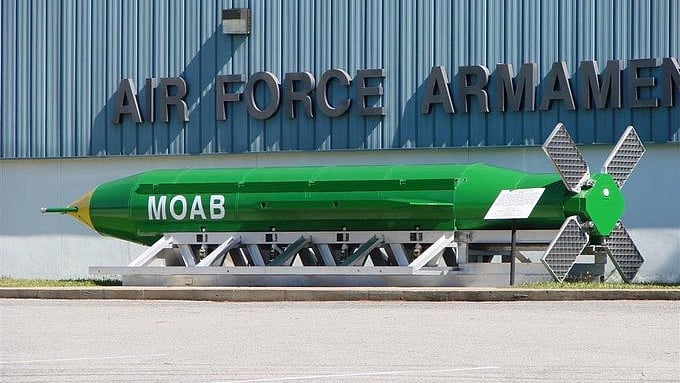
The US military has prepared strike options involving the GBU-43/B Massive Ordnance Air Blast against Iranian energy and nuclear sites amid stalled peace talks.

- Core Development: The US military has prepared strike options involving the GBU-43/B Massive Ordnance Air Blast against Iranian energy and nuclear sites amid stalled peace talks.
- Beat Context: Categorized under World with independent corroboration.
- Reporting Depth: 3 minute analytical read synthesized from verified newsroom sources.
The United States military has prepared strike options involving its largest conventional explosive against Iranian energy infrastructure and nuclear sites in a potential escalation of the ongoing conflict, according to reporting cited by NewsX. The weapon under consideration is the GBU-43/B Massive Ordnance Air Blast, commonly known as the MOAB or the "mother of all bombs." According to CNN and other outlets, the planning comes as fighting has slowed to an impasse following the breakdown of diplomatic efforts, leaving the administration facing mounting political pressure ahead of upcoming midterm elections.
According to Yahoo News, President Donald Trump and his advisors have spent months discussing options for a definitive act to conclude the war. Unnamed sources told reporters that Trump ordered the military to develop additional strike packages that include extensive energy infrastructure and specific nuclear sites, including the developing installation at Pickaxe Mountain. While Free Press Journal noted that these options could be considered if combat operations resume either before or after the midterms, Diplomacy and Law reported that Reuters was unable to independently confirm the reported military planning.
Media additions


| Weapon Designation | Total Weight | Explosive Content | Primary Function |
|---|---|---|---|
| GBU-43/B (MOAB) | ~9,800 kg (21,600 lbs) | ~8,500 kg | Surface blast, area clearance, cave/tunnel entrances |
| GBU-57 (MOP) | ~13,600 kg (30,000 lbs) | ~2,700 kg warhead | Deep underground penetration through rock and concrete |
Military experts have raised significant questions regarding the tactical utility of deploying the MOAB against hardened subterranean targets. As detailed by Al Jazeera, Brussels-based military expert Elijah Magnier stated that the munition would not guarantee the destruction of deeply buried underground nuclear installations and that such a strike could amount to little more than political theatre. Colonel Nidal Abu Zeid added that while the weapon destroys everything above ground within a one-kilometre radius through intense pressure waves, it lacks the specialized earth-penetrating design of the GBU-57 Massive Ordnance Penetrator used in previous operations against sites like Fordow and Natanz.
The broader strategic picture involves significant regional friction and security warnings. As the conflict has disrupted vital shipping lanes, Iran maintains influence over the Strait of Hormuz where global energy supplies transit. In response to potential renewed American action, Iranian officials have issued counter-threats. National Security Council chief Mohsen Rezaei warned that Iran would target regional digital infrastructure, including communication cables and data centres in neighboring states, while Islamic Revolutionary Guard Corps advisers warned of potential ground troop confrontations, according to Al Jazeera's reporting.
The situation carries complex legal and humanitarian dimensions. International legal analysis highlights that civilian energy infrastructure generally enjoys protection under customary humanitarian law, and any attack requires establishing a definite military advantage that outweighs foreseeable incidental civilian harm, as examined by Diplomacy and Law. These legal hurdles run parallel to the political calculations in Washington, where advisers debate whether a high-impact conventional strike can successfully compel Tehran to negotiate or merely escalate regional hostilities.
What to Watch Next
- Developments regarding potential presidential authorization for renewed combat operations following the midterm elections.
- Official assessments from international watchdogs and military analysts regarding the survivability and fortification of sites such as Pickaxe Mountain.
- Further security posture adjustments and responses from regional governments in the CENTCOM area of responsibility concerning shipping security and infrastructure protection.
For ongoing updates on regional developments, consult our dedicated World coverage.
How significant is this development?
Contribute your assessment to the aggregated reader sentiment ledger.
Frequently Asked Questions
Key questions answered in this reportWhat is the key development in: US weighs using MOAB non-nuclear bomb against Iran sites?
The US military has prepared strike options involving the GBU-43/B Massive Ordnance Air Blast against Iranian energy and nuclear sites amid stalled peace talks.
Why is this World development significant for the UK?
This report covers critical events in our World beat. Independent reporting monitors related UK statements, regulatory shifts, and public responses as further verified details emerge.
How was this reporting corroborated and verified?
Newsarchy UK compiles and cross-references reporting from primary reporting from Diplomacy and Law and cross-checked wire reports. All coverage adheres to published editorial standards.
When was this report published?
This briefing was published on October 16, 2026 and is permanently cataloged in the Newsarchy UK World archives.