Apple sues OpenAI for allegedly stealing trade secrets for hardware project
Apple alleges that OpenAI systematically targeted former employees to obtain confidential technical specifications and documents for its hardware business. OpenAI has denied the claims of intellectual property theft.
- Core Development: Apple alleges that OpenAI systematically targeted former employees to obtain confidential technical specifications and documents for its hardware business. OpenAI has denied the claims of intellectual property theft.
- Beat Context: Categorized under Business with independent corroboration.
- Reporting Depth: 3 minute analytical read synthesized from verified newsroom sources.
Apple initiated legal action against OpenAI on Friday, 10 July 2026, filing a formal complaint in a California federal court that alleges a coordinated, institutional effort to misappropriate trade secrets. This development marks a definitive rupture in a relationship that began with high-profile collaborations in 2024 to integrate chatbot technology into the iPhone ecosystem. The tension follows reports that the partnership had become increasingly strained as Apple pivoted toward other AI providers, including Google, for its own intelligence initiatives.
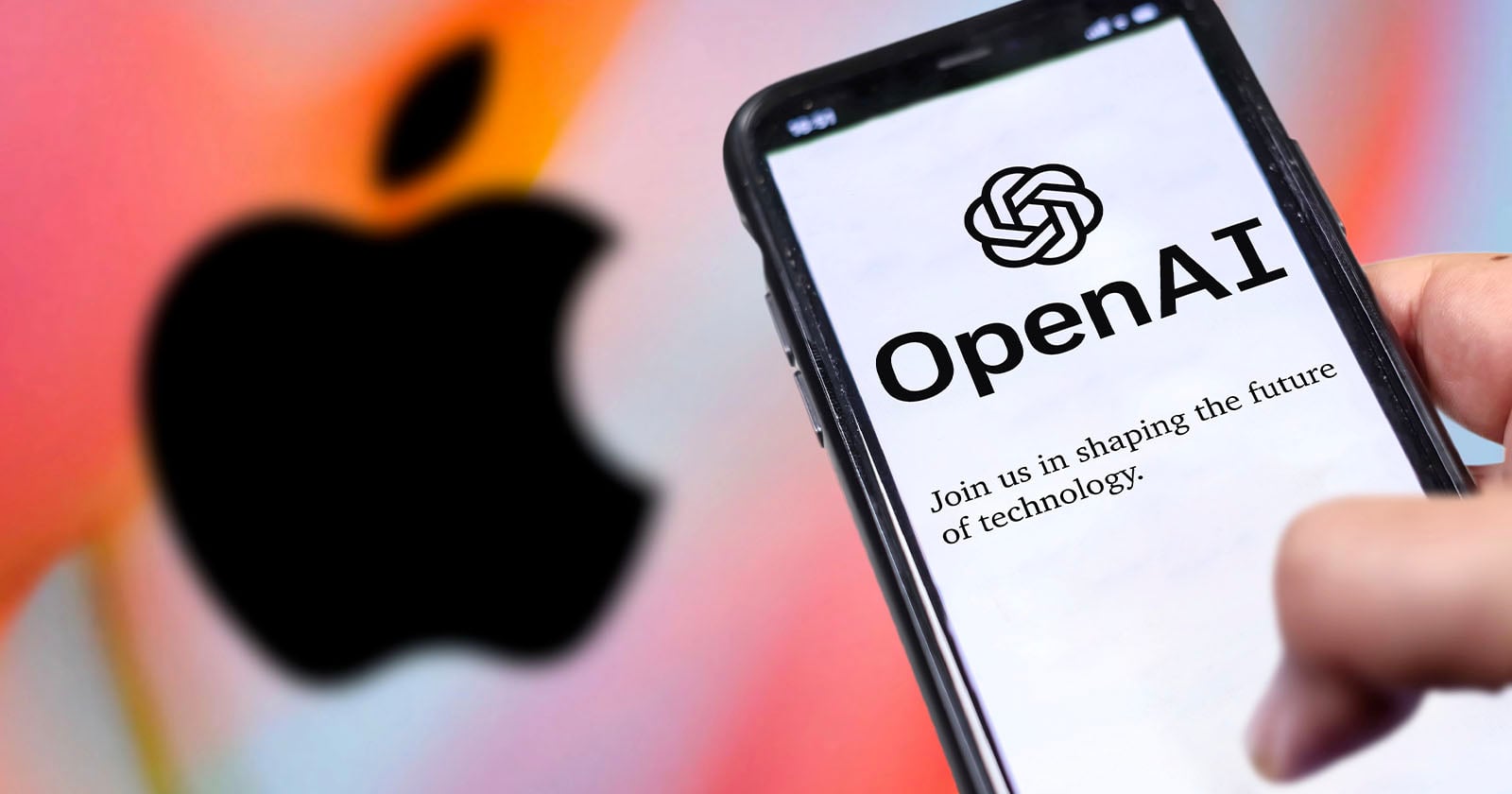
The lawsuit details allegations that OpenAI targeted Apple employees to harvest confidential data, specifically to facilitate the development of a proprietary hardware business. Apple asserts that these illicit activities were directed by high-ranking personnel now employed by the artificial intelligence firm. According to the court filing, the alleged theft included technical specifications, manufacturing processes, and internal documents regarding unreleased product lines. Apple stated it "uncovered a pattern of theft" after initiating an internal investigation.
Media additions
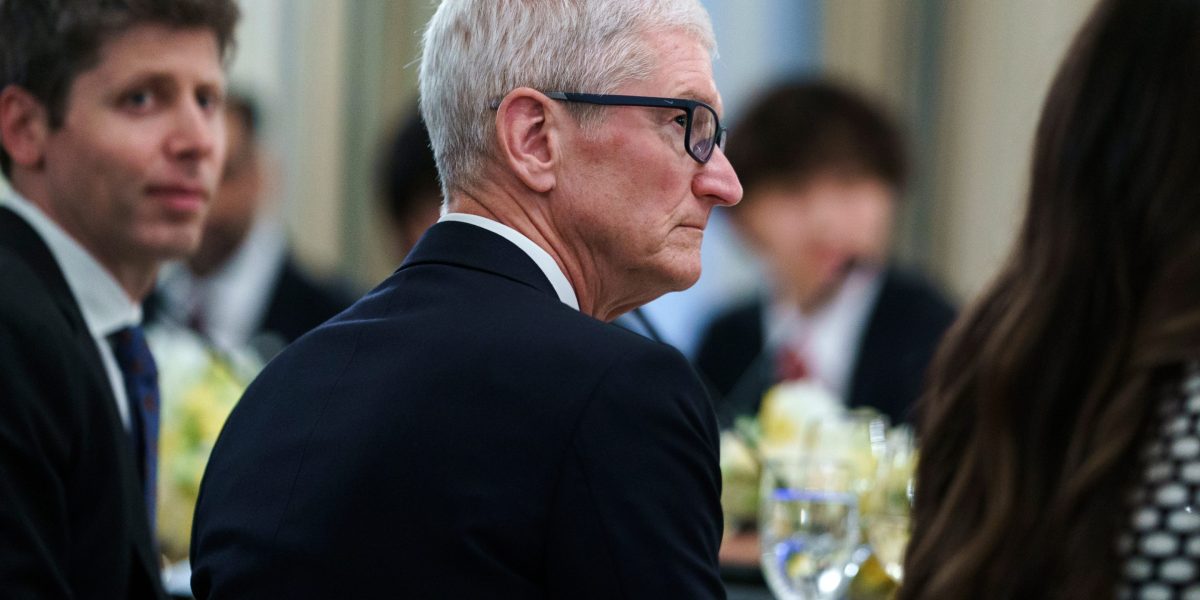
Key Defendants Named in the Suit
- Tang Tan: Currently serving as OpenAI's Chief Hardware Officer. Apple claims he leveraged his prior tenure at the company to direct job candidates to provide "actual parts" and internal codenames during interviews for roles at OpenAI. He is a former vice president who spent approximately 24 years at Apple.
- Chang Liu: A former Apple electrical engineer who worked at the company for 8 years. The suit alleges he retained an Apple-issued laptop after his departure, which he purportedly used to bypass network security to download proprietary engineering files and presentations.
- OpenAI and io Products: The parent firm and the hardware design startup acquired by OpenAI are also named as defendants.
Apple claims that it contacted OpenAI in February 2026 to address these concerns early in its investigation but received no response. An Apple spokesperson stated,
"Recently, significant evidence has emerged suggesting individuals employed by OpenAI wrongfully took Apple’s secret and confidential information regarding our unreleased technologies, processes, and products."
The accusations arrive as OpenAI prepares for a potential initial public offering while facing intense pressure to debut its first consumer hardware device. OpenAI has previously described this effort as an attempt to create a physical embodiment of intelligence that moves beyond traditional interfaces. The AI firm's hardware project is also linked to the acquisition of io Products, a startup co-founded by former Apple design chief Jony Ive. While Ive is not a named defendant, the lawsuit explicitly lists his former firm as a party to the alleged misconduct.
OpenAI has denied the allegations. In a statement provided by Drew Pusateri, the firm maintained its position regarding intellectual property, stating,
"We have no interest in other companies’ trade secrets. We remain focused on building innovative technology that empowers people everywhere."
Apple is seeking monetary damages and a court-mandated injunction to prevent the further use of its protected information. The company argues that OpenAI’s hardware ambitions rest on a foundation of misappropriated assets. This litigation follows earlier legal challenges involving the OpenAI hardware division, including trademark disputes with the startup iyO Inc., which also alleged that Tang Tan was involved in trade secret theft.
How significant is this development?
Contribute your assessment to the aggregated reader sentiment ledger.
Frequently Asked Questions
Key questions answered in this reportWhat is the key development in: Apple sues OpenAI for allegedly stealing trade secrets for hardware project?
Apple alleges that OpenAI systematically targeted former employees to obtain confidential technical specifications and documents for its hardware business. OpenAI has denied the claims of intellectual property theft.
Why is this Business development significant for the UK?
This report covers critical events in our Business beat. Independent reporting monitors related UK statements, regulatory shifts, and public responses as further verified details emerge.
How was this reporting corroborated and verified?
Newsarchy UK compiles and cross-references reporting from primary reporting from cbc.ca and cross-checked wire reports. All coverage adheres to published editorial standards.
When was this report published?
This briefing was published on July 11, 2026 and is permanently cataloged in the Newsarchy UK Business archives.