Trump warns he has ordered US military to obliterate Iran if assassinated
President Trump has issued a warning that the U.S. military is prepared to strike Iran following alleged threats against his life. This escalation coincides with the breakdown of recent ceasefire agreements and heightened tensions in the Strait of Hormuz.
- Core Development: President Trump has issued a warning that the U.S. military is prepared to strike Iran following alleged threats against his life. This escalation coincides with the breakdown of recent ceasefire agreements and heightened tensions in the Strait of Hormuz.
- Beat Context: Categorized under World with independent corroboration.
- Reporting Depth: 3 minute analytical read synthesized from verified newsroom sources.
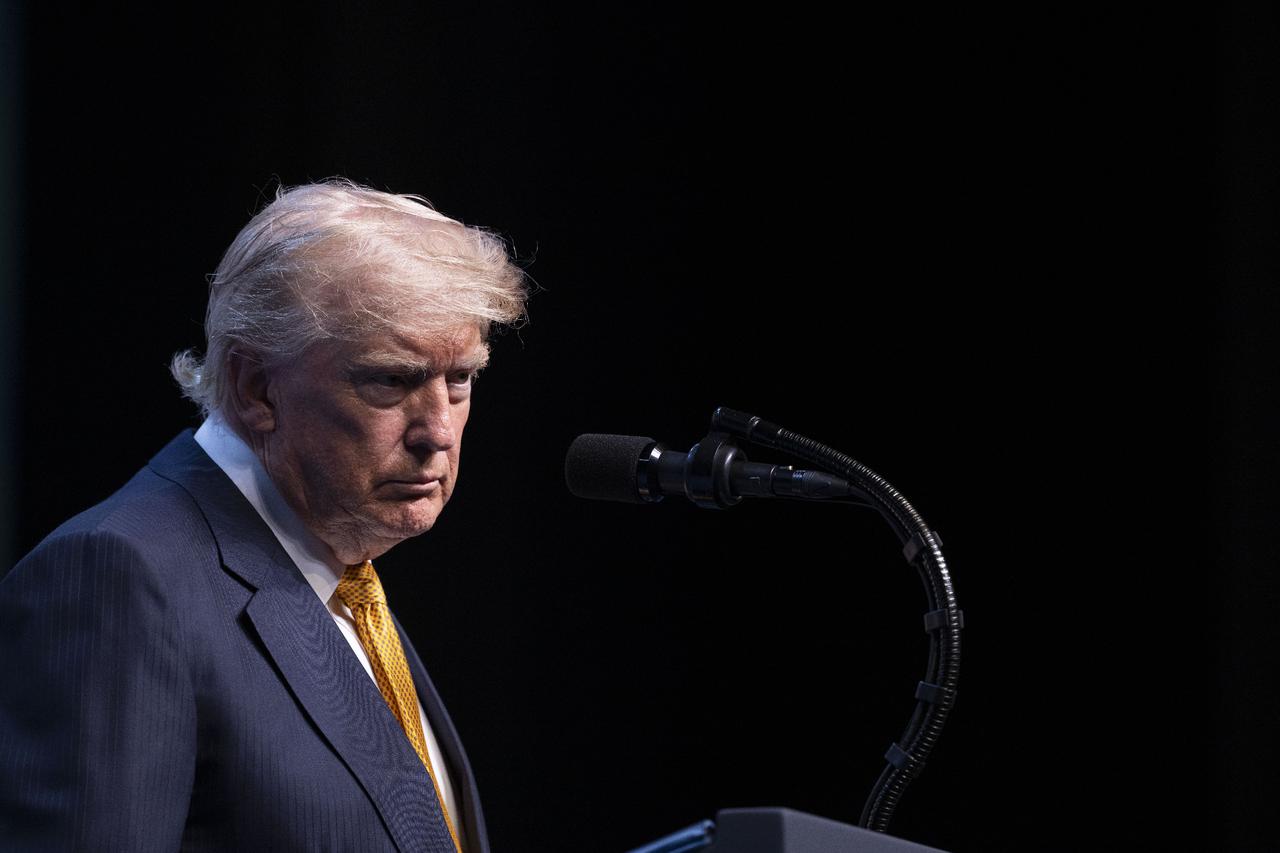
President Donald Trump has issued a stark, public warning that the United States military is prepared to completely decimate and destroy all areas of Iran
should the Islamic Republic follow through on alleged threats to assassinate him. The declaration, delivered via social media on Saturday, 11 July 2026, is a notable escalation in rhetoric during a week of renewed hostilities between Washington and Tehran.
In his statement, the president claimed that 1000 Missiles are Locked and Loaded and aimed at the Islamic Republic of Iran,
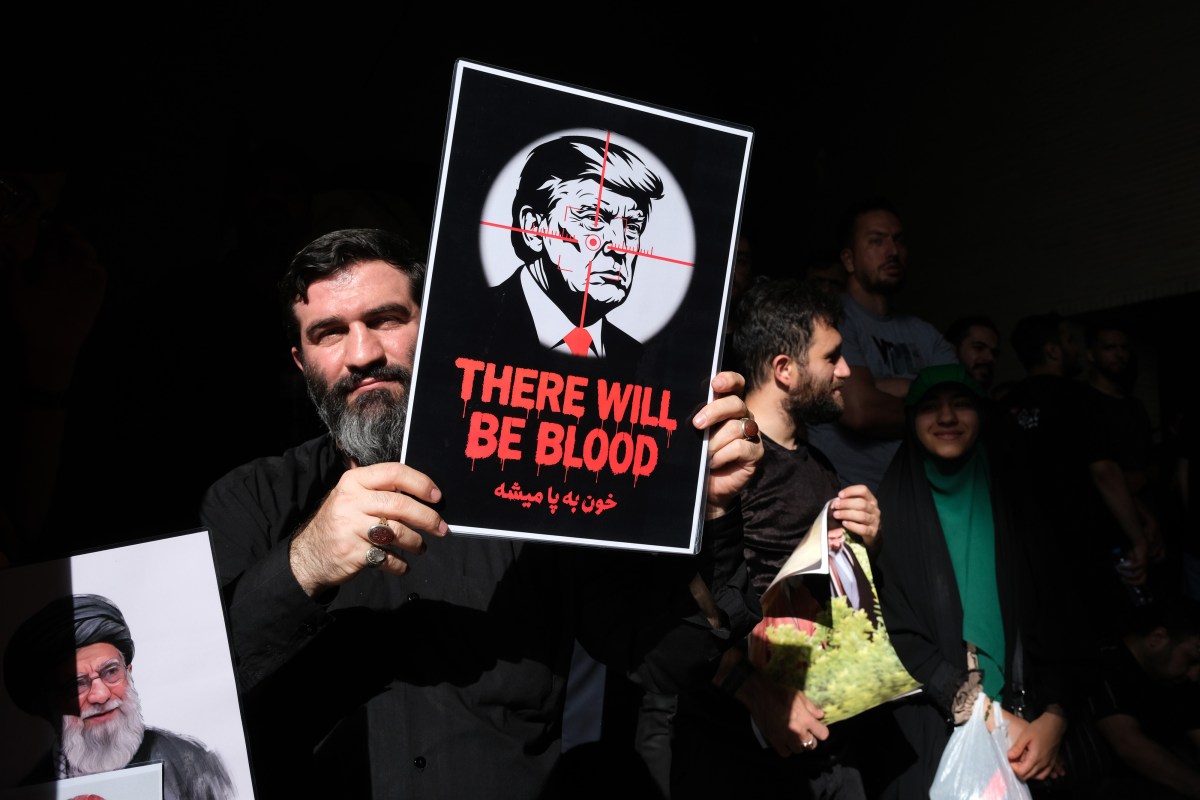
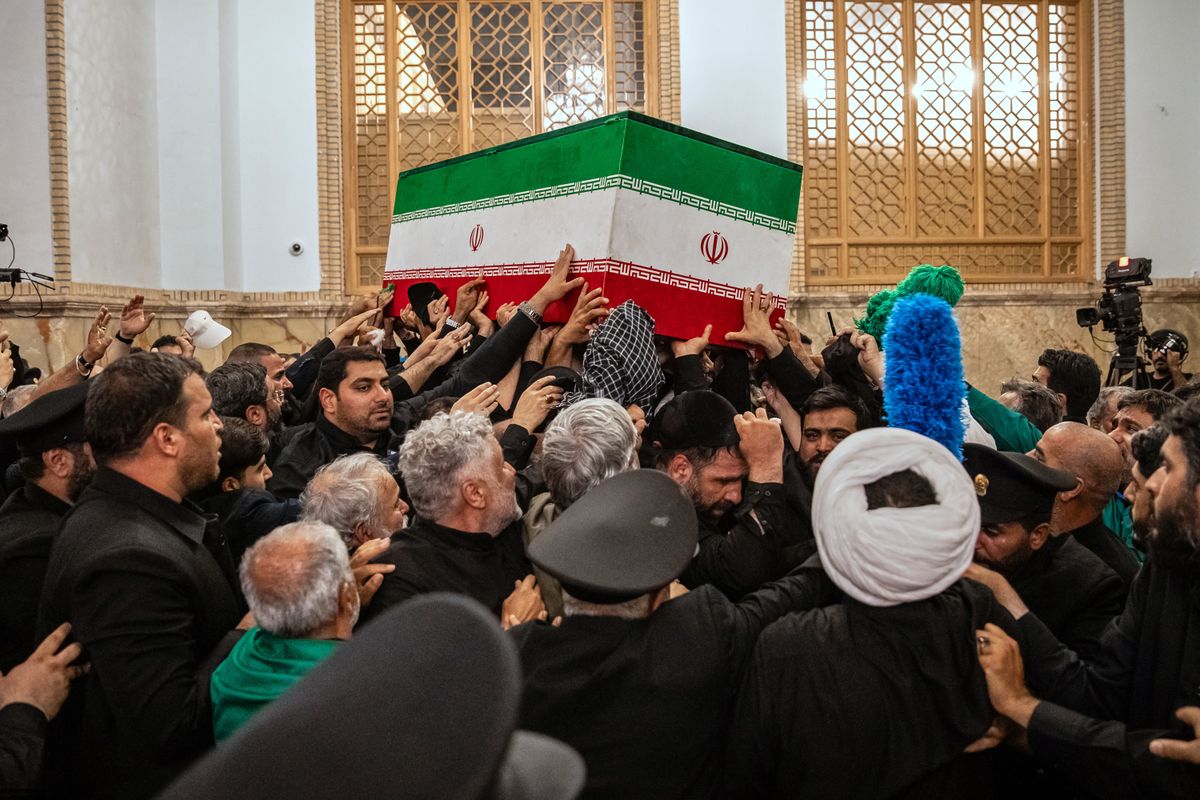
with provisions for thousands more to follow if his security is compromised. According to the president, these orders have been established and remain in effect for a one-year period, subject to extension. This aggressive stance follows recent public displays during the funeral of the late Supreme Leader Ayatollah Ali Khamenei, where mourners openly called for the president's death. The president has repeatedly labeled himself as Iran’s No. 1 target
and confirmed he has issued specific standing instructions for the military to strike if he is killed.
Media additions
Context of Heightened Security
The president’s warning arrives amid reports that Israel shared intelligence with the United States regarding a fresh Iranian plot targeting his life. While the president dismissed these specific reports as unfounded during an interview with The New York Post on Friday, he has maintained for several days that the threat is persistent. This concern has been reflected in recent security adjustments, including the closing of window blinds on Air Force One during travel, a move the president characterized as a precaution against a dangerous flight.
Arie Perliger, a professor at the University of Massachusetts Lowell, notes that Iranian efforts to target officials on U.S. Soil historically rely on outsourcing to criminal intermediaries, creating a complex intelligence footprint. According to Perliger, these plots often involve attempts to recruit local criminal networks, a pattern seen in prior cases involving individuals such as Asif Raza Merchant, who was convicted of murder-for-hire and terrorism charges. Perliger suggests that while these outsourced attempts often collapse due to internal failures, any shift toward direct, state-backed attempts would represent a meaningful escalation
in risk.
Collapse of Diplomatic Efforts
The threat comes as the tenuous ceasefire established in June begins to buckle. Following a flare-up of violence this week—including attacks on commercial tankers in the Strait of Hormuz and subsequent U.S. Airstrikes—the president declared the ceasefire over.
However, he simultaneously confirmed that his administration has agreed to continue negotiations with Tehran, led by Vice President JD Vance, Jared Kushner, and Secretary of State Marco Rubio.
The conflict has been exacerbated by Tehran’s insistence that the Strait of Hormuz remain under its sole control, with officials expressing a desire to charge fees for vessels transiting the international waterway. U.S. Officials have demanded that Iran publicly acknowledge the strait is open and safe for navigation, a requirement Tehran has resisted. Tensions were further inflamed after the U.S. Treasury Department revoked sanctions waivers on Iranian oil, an action Iranian Foreign Minister Abbas Araghchi cited as a violation of the existing memorandum of understanding. Araghchi arrived in Oman on Saturday for talks with regional counterparts, seeking to stabilize the situation.
What to Watch Next
- Negotiation Outcomes: Iranian Foreign Minister Abbas Araghchi is scheduled for discussions in Oman this weekend. The ability of mediators to de-escalate the dispute over the Strait of Hormuz remains the primary indicator of whether the peace process can be revived.
- Military Posture: With the U.S. Military maintaining a heightened state of readiness and recent airstrikes impacting infrastructure, the risk of further kinetic exchange remains high.
- Nuclear Policy: U.S. Officials have indicated that any future agreement regarding Iran’s nuclear program is strictly contingent upon the cessation of maritime attacks, a condition Tehran has thus far resisted.
As of Saturday, 11 July 2026, the situation remains fluid, with international observers monitoring whether indirect diplomacy can prevent a return to full-scale regional war.
How significant is this development?
Contribute your assessment to the aggregated reader sentiment ledger.
Frequently Asked Questions
Key questions answered in this reportWhat is the key development in: Trump warns he has ordered US military to obliterate Iran if assassinated?
President Trump has issued a warning that the U.S. military is prepared to strike Iran following alleged threats against his life. This escalation coincides with the breakdown of recent ceasefire agreements and heightened tensions in the Strait of Hormuz.
Why is this World development significant for the UK?
This report covers critical events in our World beat. Independent reporting monitors related UK statements, regulatory shifts, and public responses as further verified details emerge.
How was this reporting corroborated and verified?
Newsarchy UK compiles and cross-references reporting from primary reporting from newsweek.com and cross-checked wire reports. All coverage adheres to published editorial standards.
When was this report published?
This briefing was published on July 11, 2026 and is permanently cataloged in the Newsarchy UK World archives.