Bank of England holds interest rates at 3.75 percent in 7-2 vote
The Bank of England has paused interest rate cuts, opting to keep the base rate at 3.75 percent to address persistent economic volatility and energy shocks. The decision follows a divided vote from the Monetary Policy Committee as policymakers weigh inflation concerns against a fragile recovery.
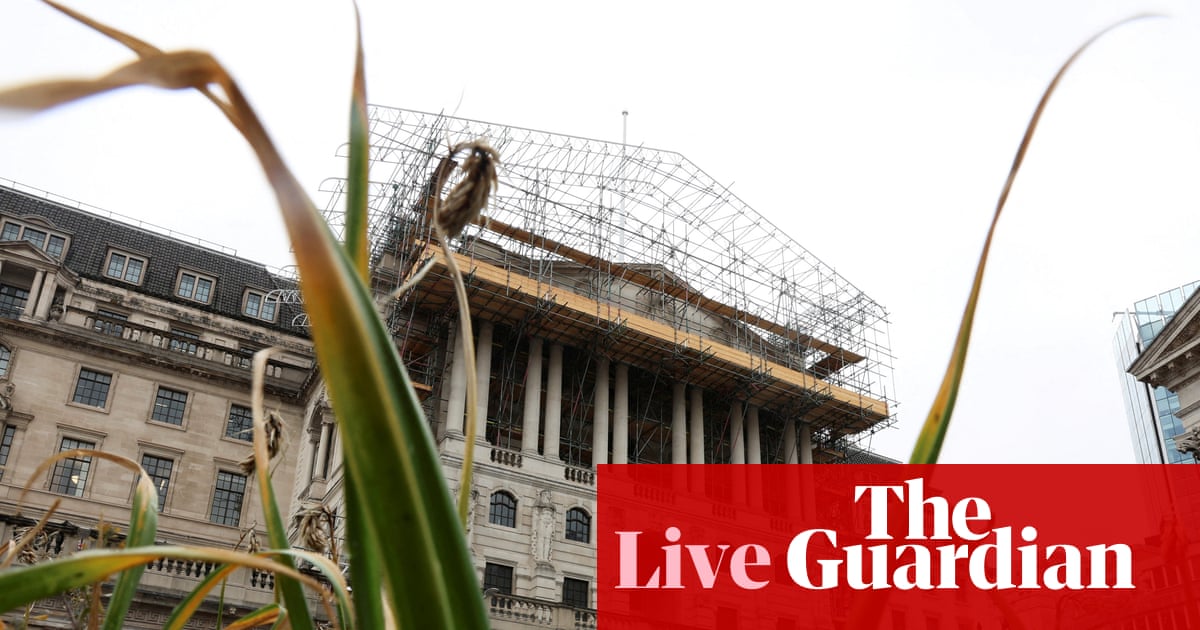
- Core Development: The Bank of England has paused interest rate cuts, opting to keep the base rate at 3.75 percent to address persistent economic volatility and energy shocks. The decision follows a divided vote from the Monetary Policy Committee as policymakers weigh inflation concerns against a fragile recovery.
- Beat Context: Categorized under Cost of Living with independent corroboration.
- Reporting Depth: 3 minute analytical read synthesized from verified newsroom sources.
The Bank of England has maintained the base interest rate at 3.75 percent, a decision reached by a 7-2 vote of the Monetary Policy Committee. The central bank’s pause reflects a cautious approach to ongoing economic volatility, specifically regarding energy markets and global geopolitical instability. This hold comes as the Bank of England balances the necessity of returning inflation to its 2 percent target against the risks of dampening an already fragile economic recovery.
The decision to hold rates marks a departure from a previous period of six consecutive cuts initiated in mid-2024. While a majority of the committee favored stability, the dissenting voices of two policymakers who advocated for a hike to 4 percent highlight internal friction regarding how best to combat underlying inflation pressures. Financial analysts observing the Bank of England leaves interest rates on hold and lowers inflation proceedings suggest the central bank is effectively buying time to assess how global energy shocks propagate through the domestic economy.
Media additions
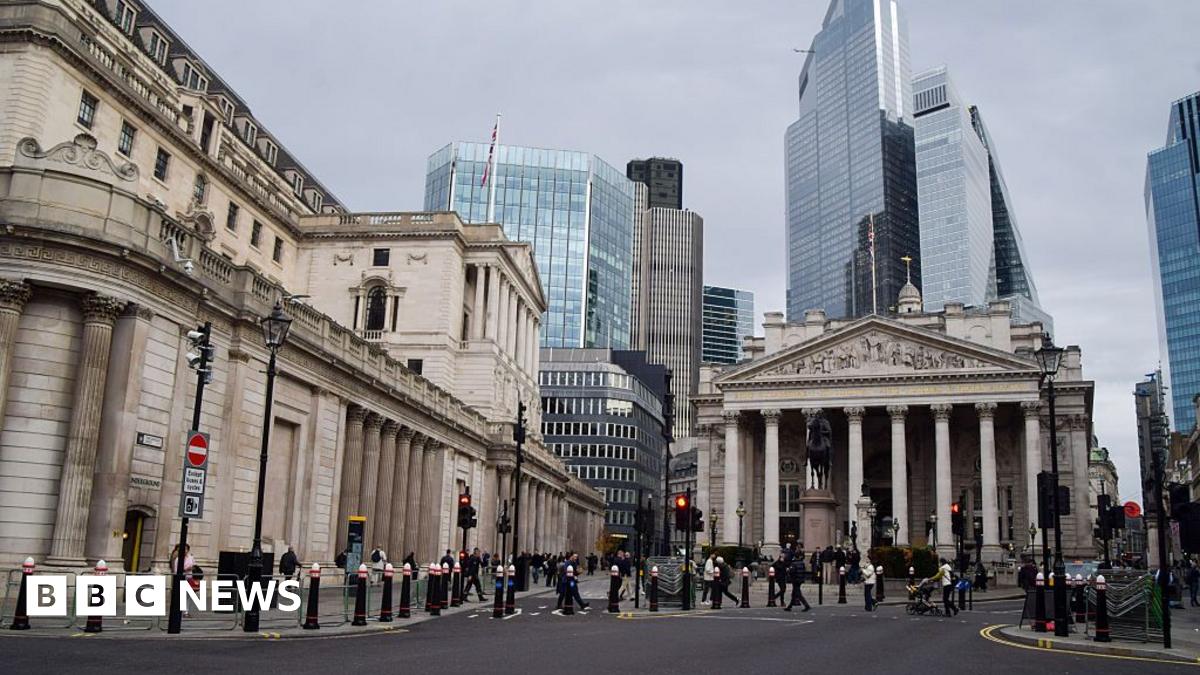
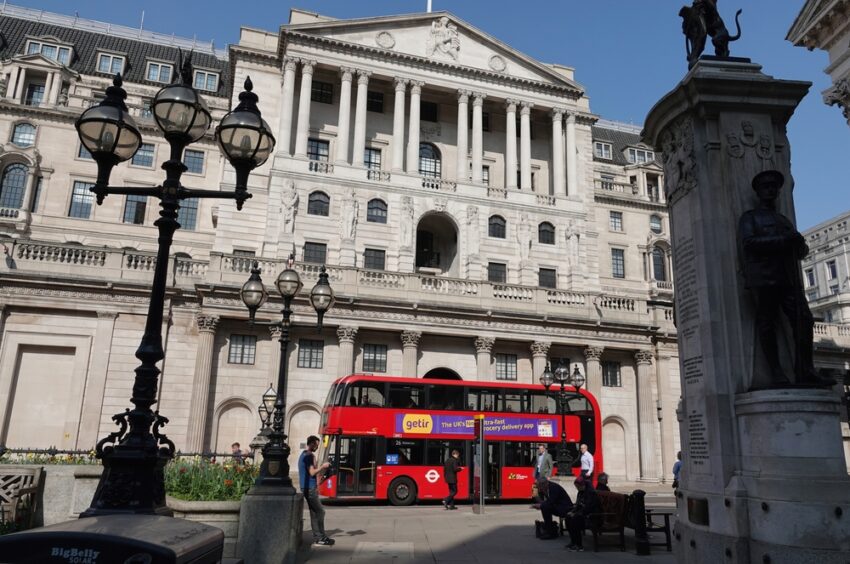
The current climate of uncertainty is largely anchored to international conflicts that have disrupted energy supplies. As reported in coverage of the Bank of England leaves rates on hold, sterling falls announcement, the volatility of oil prices remains a primary concern for the Monetary Policy Committee. Although energy prices have shown some recent movement in response to international events, the Bank maintains that the long-term impact on the UK economy remains difficult to forecast. Monetary policy, the Bank noted, is being calibrated to ensure that the economic adjustment to these shocks remains consistent with long-term price stability.
Market reactions to the announcement were immediate. Sterling experienced a decline, reaching levels not seen since early April, while two-year UK gilt yields saw an increase. Economists from major financial institutions have interpreted the move as a strategic pause.
Economic Indicators and Outlook
- Inflation: Currently monitored for second-round effects, such as wage growth, which could necessitate future intervention.
- Labour Market: The Bank is tracking signs of softening as businesses demonstrate reluctance to hire amidst economic uncertainty.
- Global Factors: Ongoing developments in the Middle East continue to drive energy price volatility, complicating domestic projections.
The Bank of England warns of 'elevated' global uncertainty after leaving interest rates on hold, a stance that forces households and businesses to navigate a period of high borrowing costs. The Bank has acknowledged that while current policy is designed to contain inflation, the persistence of price rises in certain sectors — coupled with global supply constraints — keeps the economic outlook firmly in a state of flux.
As the Bank continues to assess data on a month-by-month basis, the emphasis remains on the "Maradona theory" of communication, a strategy where clear signalling about potential policy paths is intended to influence market behavior without the necessity for constant, disruptive shifts in the base rate.
Looking ahead, the focus shifts to upcoming data releases and the potential for future policy adjustments. While the bar for further hikes remains elevated due to the risk of exacerbating weak growth, the Bank of England has signaled that it will not remain complacent. If inflation expectations continue to drift or if geopolitical tensions force energy costs higher, the possibility of a return to more restrictive territory remains on the table.
How significant is this development?
Contribute your assessment to the aggregated reader sentiment ledger.
Frequently Asked Questions
Key questions answered in this reportWhat is the key development in: Bank of England holds interest rates at 3.75 percent in 7-2 vote?
The Bank of England has paused interest rate cuts, opting to keep the base rate at 3.75 percent to address persistent economic volatility and energy shocks. The decision follows a divided vote from the Monetary Policy Committee as policymakers weigh inflation concerns against a fragile recovery.
Why is this Cost of Living development significant for the UK?
This report covers critical events in our Cost of Living beat. Independent reporting monitors related UK statements, regulatory shifts, and public responses as further verified details emerge.
How was this reporting corroborated and verified?
Newsarchy UK compiles and cross-references reporting from primary reporting from apnews.com and cross-checked wire reports. All coverage adheres to published editorial standards.
When was this report published?
This briefing was published on July 11, 2026 and is permanently cataloged in the Newsarchy UK Cost of Living archives.