ASX 200 Slides To Six-Week Low Amid Rate Hike Fears And Housing Warnings
The S&P/ASX 200 index dropped to a six-week low as investors weighed rising global interest rate expectations, oil supply volatility, and warnings of prolonged housing price declines.
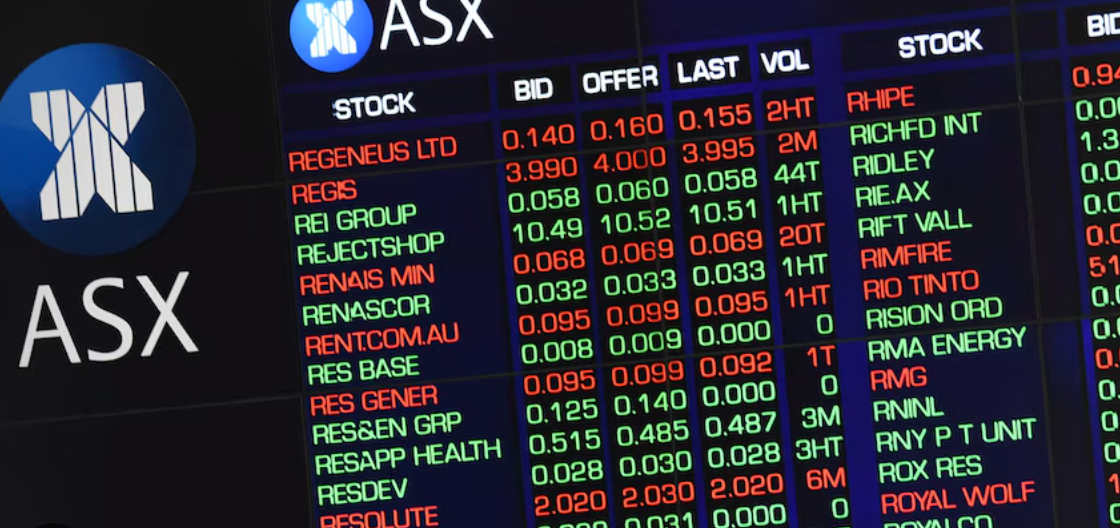
- Core Development: The S&P/ASX 200 index dropped to a six-week low as investors weighed rising global interest rate expectations, oil supply volatility, and warnings of prolonged housing price declines.
- Beat Context: Categorized under Business with independent corroboration.
- Reporting Depth: 4 minute analytical read synthesized from verified newsroom sources.
Global equity markets faced intense downward pressure as a confluence of surging energy costs, escalating geopolitical friction, and rising global interest rate expectations rattled investor sentiment. In Australia, the benchmark S&P/ASX 200 index tumbled sharply on Tuesday, dropping to a six-week low as domestic housing market warnings compounded broader monetary tightening fears. The local downturn mirrored cautious trading across international exchanges, where investors digested strong employment data from the United States that heightened the probability of imminent central bank action.
The Australian benchmark index fell significantly during Tuesday's session, according to reporting by Ibtimes, dragging the index below the crucial 9,000-point mark and wiping out modest gains from earlier in the week. Selling pressure proved comprehensive across the local market, affecting sectors that typically benefit from robust commodity prices alongside consumer-facing segments. This domestic slide contrasted with the preceding session's mixed performance, where major mining heavyweights had briefly managed to keep the index afloat despite underlying economic headwinds.
Media additions


Adding to the gloomy domestic outlook, a grim real estate forecast issued by HSBC warned that national home prices could experience steep declines over the coming quarters. According to the banking analysis cited in the primary reporting, property values are already down from their annual peak and face further downward corrections.
The report projected that values could drop further by mid-2027, potentially culminating in a historic peak-to-trough decline over a multi-decade horizon. This looming property correction has amplified stress on the local banking and finance sectors, which are simultaneously navigating elevated bond yields and growing speculation that the Reserve Bank of Australia could implement a monetary tightening move."Our central case sees housing prices in Australia falling further yet,"
HSBC, via Ibtimes
Monetary policy anxieties were not isolated to domestic shores. Global markets reacted strongly to macroeconomic data emanating from the world's largest economy, where robust employment figures reinvigorated fears of tighter credit conditions. As detailed by Analyticsinsight, nonfarm payrolls expanded significantly above economist forecasts, keeping the national unemployment rate steady. This labor market resilience prompted traders to reprice the likelihood of an interest rate increase by Federal Reserve officials at their upcoming mid-month gathering.
Energy markets remained acutely volatile as ongoing hostilities between the United States and Iran continued to threaten crude supplies and commercial shipping lanes around the Strait of Hormuz. Brent crude hovered near multi-week highs following military clashes involving tankers and warships. Concurrently, US Energy Secretary Chris Wright expressed skepticism regarding the viability of a near-term diplomatic resolution, suggesting any bilateral nuclear accord might remain stalled until future political transitions occur in Iran. These supply risks pushed retail fuel costs higher domestically, feeding directly into broader cost-of-living pressures for households.
International equity exchanges displayed divergent trends under the weight of these macroeconomic pressures. European indices finished mixed, with London's FTSE 100 slipping slightly as consumer-focused equities retreated. Meanwhile, Asian markets experienced notable gains in select technology-heavy bourses, even as Australian shares moved lower. The following table highlights how different regional benchmarks and commodity indicators responded to the converging pressures of energy inflation and rate hike speculation:
| Market / Index | Direction | Key Driver |
|---|---|---|
| S&P/ASX 200 (Australia) | Declined | Housing market warnings and RBA tightening fears |
| FTSE 100 (London) | Flipped lower | Subdued consumer sentiment and energy sector shifts |
| Kospi (South Korea) | Advanced | Strong tech equity performance |
| Brent Crude | Elevated near six-week highs | US-Iran maritime conflict and shipping disruptions |
The convergence of geopolitical supply shocks and monetary tightening has created a complex operational environment for resource and energy equities. While higher crude benchmarks traditionally offer a tailwind for major producers, broader risk-off sentiment in Sydney overwhelmed these typical dynamics.
Corporate actions also played a mechanical role in individual share price movements during the session. Several prominent Australian corporations traded ex-dividend, creating a downward drag on their respective valuations and the broader index structure. Among them, Mineral Resources prepared to distribute substantial payouts to eligible shareholders later in the month, while major mining discussions involving international stakeholders continued to capture investor interest despite the broader market selloff.
Market participants are now turning their attention toward critical economic disclosures scheduled later in the week. Investors will closely monitor inflation metrics from major global economies alongside trade data from China, Australia's primary trading partner. These upcoming releases will likely dictate whether central banks decide to adjust borrowing costs during their impending policy meetings.
What happens next depends heavily on incoming macroeconomic reports and geopolitical developments. The Federal Reserve is scheduled to meet to decide on interest rates on September 15–16, 2026, with traders actively pricing in the updated probability of a rate increase following the recent employment data. Simultaneously, domestic investors will await further commentary from the Reserve Bank of Australia alongside updates on regional trade figures from Asia, as the market attempts to find a firm footing after sliding to its lowest level in six weeks.
How significant is this development?
Contribute your assessment to the aggregated reader sentiment ledger.
Frequently Asked Questions
Key questions answered in this reportWhat is the key development in: ASX 200 Slides To Six-Week Low Amid Rate Hike Fears And Housing Warnings?
The S&P/ASX 200 index dropped to a six-week low as investors weighed rising global interest rate expectations, oil supply volatility, and warnings of prolonged housing price declines.
Why is this Business development significant for the UK?
This report covers critical events in our Business beat. Independent reporting monitors related UK statements, regulatory shifts, and public responses as further verified details emerge.
How was this reporting corroborated and verified?
Newsarchy UK compiles and cross-references reporting from primary reporting from ibtimes.com.au and cross-checked wire reports. All coverage adheres to published editorial standards.
When was this report published?
This briefing was published on September 8, 2026 and is permanently cataloged in the Newsarchy UK Business archives.