John Healey backs growth but says Labour must be honest on spending
Chancellor John Healey vowed to make Britain's economy grow while warning of strict spending controls and refusing to rule out upcoming tax rises.
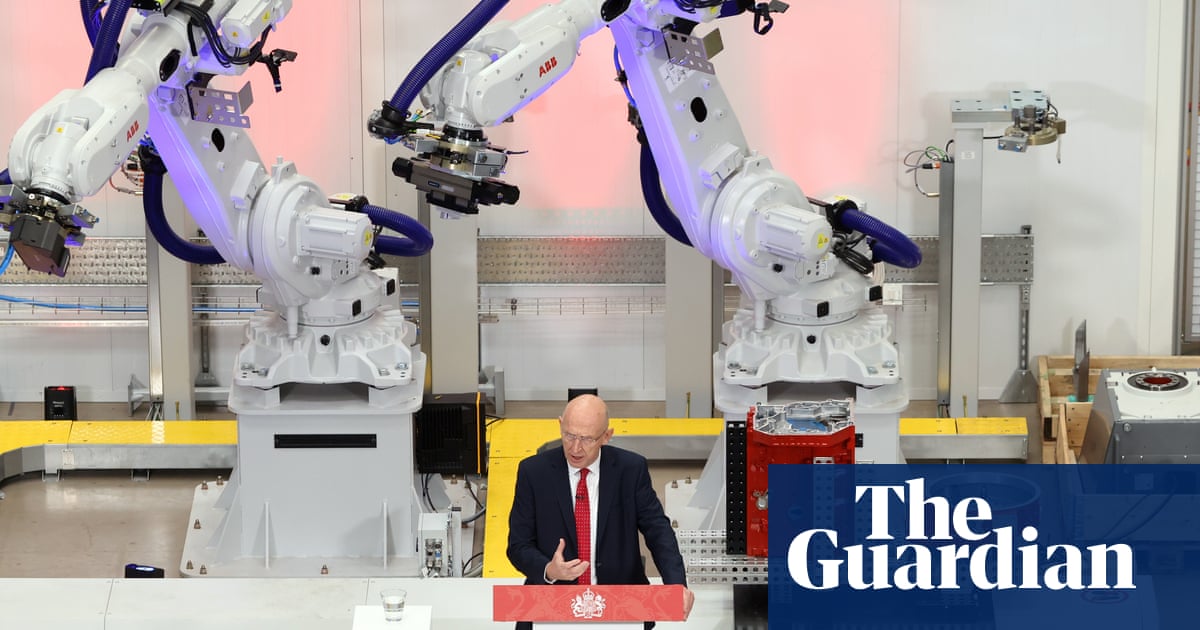
On 7 September 2026, John Healey addressed a crowd of business leaders in Coventry, declaring that the goal of his first chancellorship would be to “make Great Britain Growth Britain again.” The speech, the first since taking the Treasury in July, was a mix of optimism about a “turning corner” in the economy and a warning that the government must be honest about controlling public spending ahead of the 28 October Budget.
Healey’s remarks echoed a familiar narrative: the Treasury will pursue growth by loosening regulation, cutting the cost of doing business, and devolving power to local authorities. He highlighted a £150 million fund for fast‑growing firms in the North and a “Northern 500” group of mid‑sized businesses led by mayors.
Media additions


“I want to be the chancellor that gets things done and I want to see growth driven from more places across the UK,” Healey told the audience.
While the speech was framed as a pro‑growth message, it also contained a stark reminder of fiscal realities. The stance drew criticism from the Conservative shadow chancellor, who said the speech “sounds increasingly like continuity Rachel Reeves” and would not “make growth a reality.” Reform UK’s Robert Jenrick added that the speech would “change absolutely nothing.”
In Wales, the speech was criticised by Plaid Cymru and the Welsh Liberal Democrats for giving the country an “afterthought” status.
Against this backdrop, the Treasury also outlined a plan to address youth unemployment. Healey referred to the forthcoming review by former Labour cabinet minister Alan Milburn, saying that the findings would “address this scar of youth unemployment.” He framed the issue as both a moral and a fiscal duty, arguing that people moving off benefits to work would save taxpayers money and that it was “a win‑win” when those people started paying tax themselves.
| Actor | Position on Tax Changes |
|---|---|
| Andrew Griffith (Conservative shadow) | Criticises speech as “continuity Rachel Reeves,” implying no real change on taxes. |
| Robert Jenrick (Reform UK) | Claims the speech will not change anything, including tax policy. |
Business groups, however, welcomed the Chancellor’s pro‑growth tone. Louise Hellem, chief economist at the Confederation of British Industry, said firms would be looking to the Budget to see whether the government could match its ambition with decisive action to cut business costs and give firms the headroom they need to invest. The speech also promised to “take an axe” to regulations that were holding back investment, a line that resonated with many in the private sector.
In a broader context, the speech arrived as global financial markets remained jittery. The Chancellor also acknowledged the impact of the war in Iran on global bond markets, noting that the UK was still paying a “Truss penalty” for the ill‑fated mini‑budget that had triggered a debt‑market crisis almost four years earlier.
For voters and businesses alike, the Chancellor’s promise of growth must be matched by tangible outcomes.