Bank of Japan raises interest rates to 31-year high of 1.25% as inflation rises
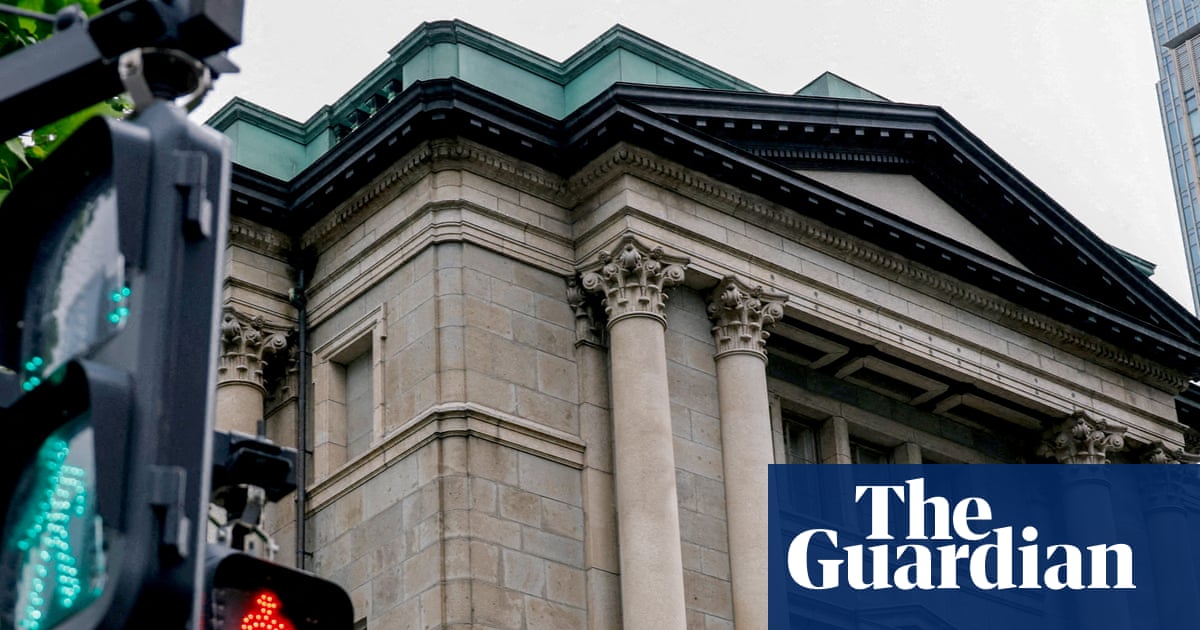
The Bank of Japan raised its benchmark interest rate to 1.25% in a 7-2 vote, reaching its highest level since 1995 as policymakers address global inflation.

- Core Development: The Bank of Japan raised its benchmark interest rate to 1.25% in a 7-2 vote, reaching its highest level since 1995 as policymakers address global inflation.
- Beat Context: Categorized under Business with independent corroboration.
- Reporting Depth: 3 minute analytical read synthesized from verified newsroom sources.
The Bank of Japan has raised its benchmark interest rate to 1.25%, marking a significant shift away from decades of ultra-loose monetary policy and reaching its highest level since 1995. The move, announced on Friday, 18 September 2026, follows similar tightening measures by major Western central banks and comes as policymakers grapple with elevated global inflation driven by soaring energy costs linked to the ongoing war in Iran. While the adjustment was widely anticipated by financial markets, the decision revealed internal divisions within the central bank's board and failed to halt the depreciation of the Japanese yen, leaving investors parsing future policy trajectories.
The monetary policy board voted 7–2 to increase the uncollateralized overnight call rate by 25 basis points from 1%, continuing a normalisation cycle that began when the institution exited negative interest rates in 2024. The central bank stated that the adjustment was necessary to counter the growing risk that underlying inflation might deviate upward beyond its 2% target.
Media additions


Yet the decision was not unanimous. Reflationist board members Toichiro Asada and Ayano Sato dissented from the majority. Asada argued that core consumer price inflation excluding fresh food remained below the 2% target and that broader economic conditions were not robust enough to warrant further tightening. Sato maintained that economic and price developments had not substantially accelerated. Analysts noted that the presence of these dissenting voices introduced a note of caution regarding how quickly subsequent rate increases might materialise.
Global context heavily influenced the timing of the announcement. Earlier in the week, the US Federal Reserve raised its own benchmark rates for the first time since 2023, while the European Central Bank increased borrowing costs to 2.5% earlier in the month. Washington has maintained intense pressure on Tokyo to raise interest rates to narrow the widening US-Japan rate gap, which has previously pushed the yen to historic lows. US Treasury Secretary Scott Bessent recently urged Bank of Japan Governor Kazuo Ueda to take decisive monetary steps to combat currency weakness, following a joint intervention by Tokyo and Washington to prop up the yen after it slid toward 160 per dollar.
| Central Bank | Recent Action | Current Benchmark Rate | Timing |
|---|---|---|---|
| Bank of Japan | Raised by 0.25% | 1.25% | Friday, 18 September 2026 |
| US Federal Reserve | Raised rates | 3.75%–4% | Wednesday, 16 September 2026 |
| European Central Bank | Raised key rate | 2.5% | Earlier in September 2026 |
| Bank of England | Held steady | 3.75% | Thursday, 17 September 2026 |
Market reaction to the announcement proved complex. Although Tokyo's benchmark Nikkei stock index climbed following the news, the yen experienced downward pressure, trading around 156.91 to 157.1 per US dollar. Currency strategists attributed the slide to the dissenting votes and a perception that the accompanying policy statements lacked explicit hawkish aggression. Commentators suggested that the divergence between Japanese rates and those in Western economies would likely persist, keeping the Japanese currency under pressure and elevating import costs for the resource-poor nation.
Official data released concurrently showed that Japan's core consumer inflation cooled slightly in August, dropping to 1.7% from 1.8% in July. Nevertheless, wage growth driven by a shrinking domestic labour pool and sustained high energy prices have kept overall price trends near the 2% objective. Prime Minister Sanae Takaichi’s government faces competing pressures: while the central bank attempts to cool inflation through tightening, the administration has simultaneously promised expansionary fiscal measures, including public spending and tax cuts.
Economists surveyed by CNBC and Reuters generally anticipate further incremental tightening, with consensus estimates pointing toward additional rate rises reaching 1.5% and potentially 1.75% in subsequent quarters. Governor Kazuo Ueda is scheduled to hold a detailed press conference at 3:30 p.m. Local time (06:30 GMT) to outline the bank's forward-looking assessments on economic activity, foreign exchange movements, and the broader risks posed by regional conflicts.
How significant is this development?
Contribute your assessment to the aggregated reader sentiment ledger.
Frequently Asked Questions
Key questions answered in this reportWhat is the key development in: Bank of Japan raises interest rates to 31-year high of 1.25% as inflation rises?
The Bank of Japan raised its benchmark interest rate to 1.25% in a 7-2 vote, reaching its highest level since 1995 as policymakers address global inflation.
Why is this Business development significant for the UK?
This report covers critical events in our Business beat. Independent reporting monitors related UK statements, regulatory shifts, and public responses as further verified details emerge.
How was this reporting corroborated and verified?
Newsarchy UK compiles and cross-references reporting from primary reporting from investingLive and cross-checked wire reports. All coverage adheres to published editorial standards.
When was this report published?
This briefing was published on September 18, 2026 and is permanently cataloged in the Newsarchy UK Business archives.