UK inflation rate rises to 3.1% in year to August
UK inflation has climbed to 3.1% due to surging fuel and transport costs driven by Middle East tensions, heaping fresh financial pressure on households.

- Core Development: UK inflation has climbed to 3.1% due to surging fuel and transport costs driven by Middle East tensions, heaping fresh financial pressure on households.
- Beat Context: Categorized under Business with independent corroboration.
- Reporting Depth: 4 minute analytical read synthesized from verified newsroom sources.
UK inflation has climbed back above the two per cent target, driven by surging fuel costs and transport prices that are heaping fresh financial pressure on households across the country. Official data released by the Office for National Statistics shows that the Consumer Prices Index rose to 3.1 per cent in the year to August, moving higher from the 2.9 per cent recorded the previous month and continuing an upward trajectory from a recent low in June.
The acceleration stems directly from escalating geopolitical tensions in the Middle East. The breakdown of a US-Iran ceasefire triggered severe turbulence in global financial markets, sending Brent crude oil soaring past $108 a barrel. According to the Office for National Statistics, motor fuels provided the largest upward contribution to both the consumer prices index and the preferred Consumer Prices Index including owner-occupiers’ housing costs, which rose to 3.3 per cent in August.
Media additions

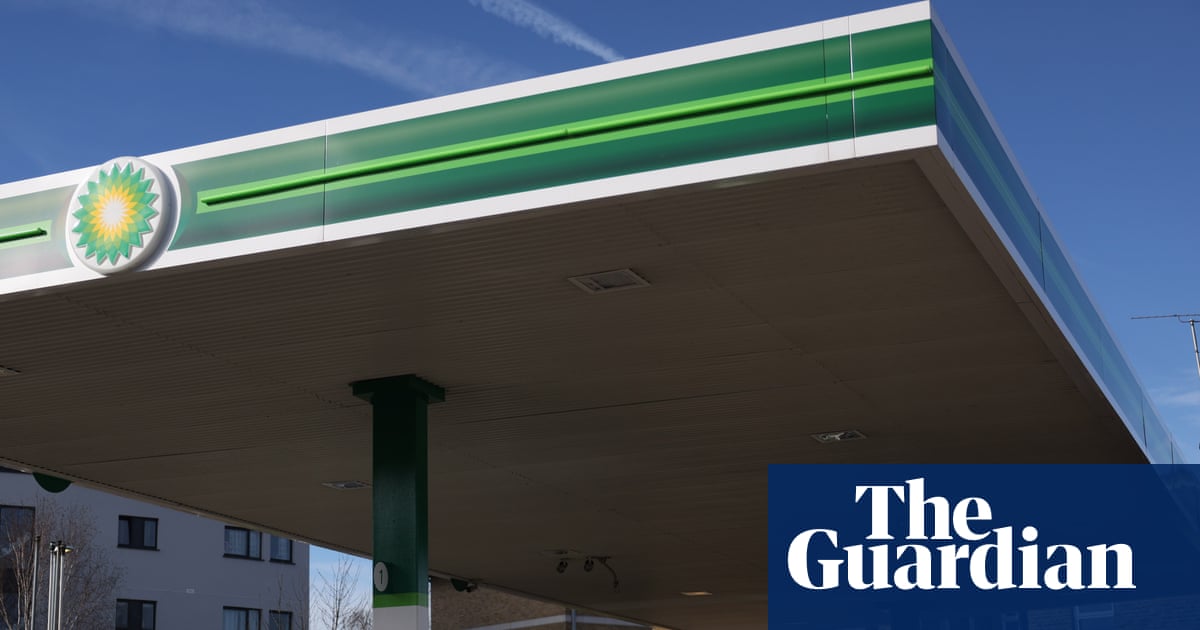

Average petrol prices increased by 9.1 pence per litre between July and August, reaching 161.3 pence per litre—the highest level recorded since November of two years prior. Diesel saw an even steeper climb, jumping by 14.2 pence per litre to an average of 181.8 pence per litre. Separate motoring data from the RAC indicated that forecourt prices pushed pump costs even higher by the start of September, with average UK forecourt prices reaching 170.54p a litre for petrol and diesel climbing to 192.86p, adding nearly five pounds to the cost of filling a typical family vehicle and leaving diesel at its highest point since late July.
Transport pressures extended beyond the forecourt. Airfares jumped by 6.2 per cent over the month, led by sharp price increases for long-haul routes. The broader transport division registered a 4.6 per cent annual price increase. Meanwhile, core inflation, which strips out volatile components like energy, food, alcohol, and tobacco, remained steady at 2.6 per cent, underscoring the extent to which energy and fuel costs dominated the headline figures.
Despite the wider pressures, certain sectors offered domestic relief. Food and non-alcoholic drink inflation remained relatively subdued, holding steady at 1.3 per cent. Analysts at the Food and Drink Federation noted that manufacturers have worked hard to find internal efficiencies, though lingering risks from droughts and global trade disruptions threaten future retail price stability.
| Inflation Measure / Indicator | July Value | August Value |
|---|---|---|
| Consumer Prices Index (CPI) 12-Month Rate | 2.9% | 3.1% |
| CPIH (including owner-occupiers’ housing costs) | 3.1% | 3.3% |
| Retail Prices Index (RPI) | 3.2% | 3.4% |
| Core CPI (excluding energy, food, alcohol, tobacco) | 2.6% | 2.6% |
| Average Petrol Price (per litre) | Not stated | 161.3p |
| Average Diesel Price (per litre) | Not stated | 181.8p |
Politicians and industry figures traded blame and urged swift intervention as the economic outlook darkened. Chancellor John Healey acknowledged that global conflicts are driving up costs for families worldwide. We have taken early action to help families and businesses breathing space, by cutting tax on electricity bills, capping bus fares at £2 and lowering rates for pubs, social clubs and live music venues,
Healey said, emphasizing the resilience of the domestic economy.
Critics, however, warned that households face severe headwinds. Liberal Democrat Treasury Spokesperson Daisy Cooper pointed to foreign policy fallout, while business groups argued that domestic tax burdens are compounding the crisis. Retail sector representatives warned that looming business rates increases in April will amplify the strain from high energy bills and employment costs.
Economists tracking the trajectory of consumer prices believe the latest report marks the beginning of a sustained upward trend. Thomas Pugh, chief economist at RSM UK, suggested that inflation could climb toward four per cent by early next year before eventually retreating back to the central bank's target over subsequent years. Threadneedle Street previously warned that severe escalation scenarios could push the rate even higher.
The timing of the inflation release puts intense scrutiny on policymakers at the Bank of England as they prepare for their scheduled interest rate decision. The base rate currently sits at 3.75 per cent. While market observers like J.P. Morgan Personal Investing strategist Scott Gardner argued that the uptick alone may not immediately force a rate hike, it introduces fresh anxiety into policymaker deliberations regarding secondary wage and price effects.
For everyday consumers and savers, personal finance experts emphasize the importance of actively managing personal finances. Savers holding cash in low-yielding accounts are seeing the real purchasing power of their money eroded each month, making proactive management essential while broader economic turbulence plays out across international markets.
What to Watch Next
- The Bank of England's Monetary Policy Committee announcement regarding interest rates.
- Further developments in Middle Eastern energy corridors and their direct transmission into UK wholesale oil and gas markets.
- The upcoming Autumn Budget scheduled for 28 October, where the government faces pressure to address business rates and cost-of-living support.
How significant is this development?
Contribute your assessment to the aggregated reader sentiment ledger.
Frequently Asked Questions
Key questions answered in this reportWhat is the key development in: UK inflation rate rises to 3.1% in year to August?
UK inflation has climbed to 3.1% due to surging fuel and transport costs driven by Middle East tensions, heaping fresh financial pressure on households.
Why is this Business development significant for the UK?
This report covers critical events in our Business beat. Independent reporting monitors related UK statements, regulatory shifts, and public responses as further verified details emerge.
How was this reporting corroborated and verified?
Newsarchy UK compiles and cross-references reporting from primary reporting from chardandilminsternews.co.uk and cross-checked wire reports. All coverage adheres to published editorial standards.
When was this report published?
This briefing was published on September 16, 2026 and is permanently cataloged in the Newsarchy UK Business archives.