Veteran broadcaster and senator Derryn Hinch dies aged 82
Renowned for his confrontational journalism and later service in the Australian Senate, Derryn Hinch leaves behind a legacy that bridged media and law.

- Core Development: Renowned for his confrontational journalism and later service in the Australian Senate, Derryn Hinch leaves behind a legacy that bridged media and law.
- Beat Context: Categorized under Business with independent corroboration.
- Reporting Depth: 3 minute analytical read synthesized from verified newsroom sources.
Australia’s media‑business has lost one of its most polarising voices. The death of Derryn Hinch – the self‑styled “Human Headline” who blended tabloid ferocity with a Senate seat – comes as the industry wrestles with questions of editorial freedom, legal suppression and the commercial value of controversy.
Hinch, a New Zealand‑born journalist who began his career at The Taranaki Herald at age 15, died in his sleep at his Melbourne home. Annette Philpott, his former personal assistant, announced the news on his Facebook page, saying he “got his wish and passed away in his own bed”.
Media additions

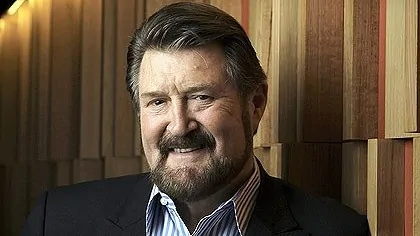
“He’s had really tough times of late. He’s been in and out of hospital. I’m assuming his heart just gave out,” Philpott told the Daily Mail.
Annette Philpott, personal assistant, via Daily Mail
The prime minister, Anthony Albanese, marked Hinch’s death with a brief statement that highlighted the broadcaster’s defiant style.
“Derryn Hinch lived a life rich in colour and free from fear. As an interviewer, investigator and presenter he was much more than ‘the Human Headline’… He held to those same instincts as a senator and he fought illness with that same bravery.”
Anthony Albanese, Prime Minister, via 7news
Born in New Plymouth in 1944, Hinch’s career spanned six decades and crossed every major Australian media platform. He started in print, moved to radio, then to national television, and finally entered politics as the founder of the Derryn Hinch Justice Party, winning a Senate seat in 2016 at the age of 72.
Career milestones – quick reference
| Year | Event |
|---|---|
| 1960 | Started at The Taranaki Herald (age 15) |
| 1979 | Joined Melbourne talk‑back station 3AW, hosting the morning programme for eight years |
| 1985 | Convicted of contempt of court for naming paedophile priest Michael Glennon; sentenced to 12 days in jail |
| 2011 | Underwent a life‑saving liver transplant; later convicted of breaching suppression orders, served five months home detention while broadcasting from his house |
| 2015 | Founded the Derryn Hinch Justice Party |
| 2016 | Elected to the Australian Senate, becoming the oldest first‑time senator |
| 2026 July 10 | Died aged 82 in his sleep |
The timeline underscores how Hinch repeatedly confronted the legal system. In 1985, after publicising a convicted child‑sex offender’s name, he was fined and jailed, later describing the episode as “the thing I’m most proud of in my life”. In 2011, he again breached suppression orders, receiving a five‑month house‑detention sentence but continuing his 3AW show from home.
His confrontational approach earned him both admiration and condemnation. Former 3AW newsreader Tony Tardio praised his fearlessness, while veteran commentator Peter Meakin noted that Hinch was “a colour‑full character in a business that increasingly favours beige”.
“He’s just one more character who’s gone from the information business. I won’t say news business, because Derryn was a lot more than just news,” Meakin told The Sydney Morning Herald.
Peter Meakin, former Seven/Nine/Ten executive, via SMH
Hinch’s political foray centred on a “hard‑line law‑and‑order” agenda. The Justice Party campaigned for a national child sex‑offender register and stricter bail laws. While his Senate tenure lasted only three years, he is credited with influencing legislation that restricted overseas travel for convicted paedophiles and with loosening media‑photography rules inside parliament.
Hinch’s death closes a chapter on a career that reshaped Australian journalism’s willingness to confront uncomfortable truths. Whether future broadcasters will emulate his provocations or tread more cautiously remains to be seen, but his influence on both the information market and the legislative arena will be debated for years to come.
How significant is this development?
Contribute your assessment to the aggregated reader sentiment ledger.
Frequently Asked Questions
Key questions answered in this reportWhat is the key development in: Veteran broadcaster and senator Derryn Hinch dies aged 82?
Renowned for his confrontational journalism and later service in the Australian Senate, Derryn Hinch leaves behind a legacy that bridged media and law.
Why is this Business development significant for the UK?
This report covers critical events in our Business beat. Independent reporting monitors related UK statements, regulatory shifts, and public responses as further verified details emerge.
How was this reporting corroborated and verified?
Newsarchy UK compiles and cross-references reporting from primary reporting from smh.com.au and cross-checked wire reports. All coverage adheres to published editorial standards.
When was this report published?
This briefing was published on July 10, 2026 and is permanently cataloged in the Newsarchy UK Business archives.