US and Iran exchange airstrikes and missiles threatening ceasefire deal
Middle East tensions have intensified as the U.S. and Iran engage in escalating fire, placing an interim ceasefire agreement in jeopardy.

- Core Development: Middle East tensions have intensified as the U.S. and Iran engage in escalating fire, placing an interim ceasefire agreement in jeopardy.
- Beat Context: Categorized under Transport with independent corroboration.
- Reporting Depth: 3 minute analytical read synthesized from verified newsroom sources.
Military tensions across the Middle East have intensified sharply, with the United States and Iran engaging in an escalating exchange of fire that has placed an interim ceasefire deal in jeopardy. As of Friday, 10 July 2026, the region faces renewed uncertainty following days of strikes that hit locations near Iranian nuclear infrastructure and U.S.-allied installations across the Gulf.
The conflict escalated earlier this week when U.S. President Donald Trump declared the existing ceasefire "over" following Iranian attacks on commercial vessels in the Strait of Hormuz. The U.S. Military’s Central Command reported striking approximately 90 targets inside Iran, hitting missile launchers and what officials described as efforts to degrade Iran's ability to threaten maritime navigation. Footage released by the U.S. Military showed strikes on an airport runway.
Media additions
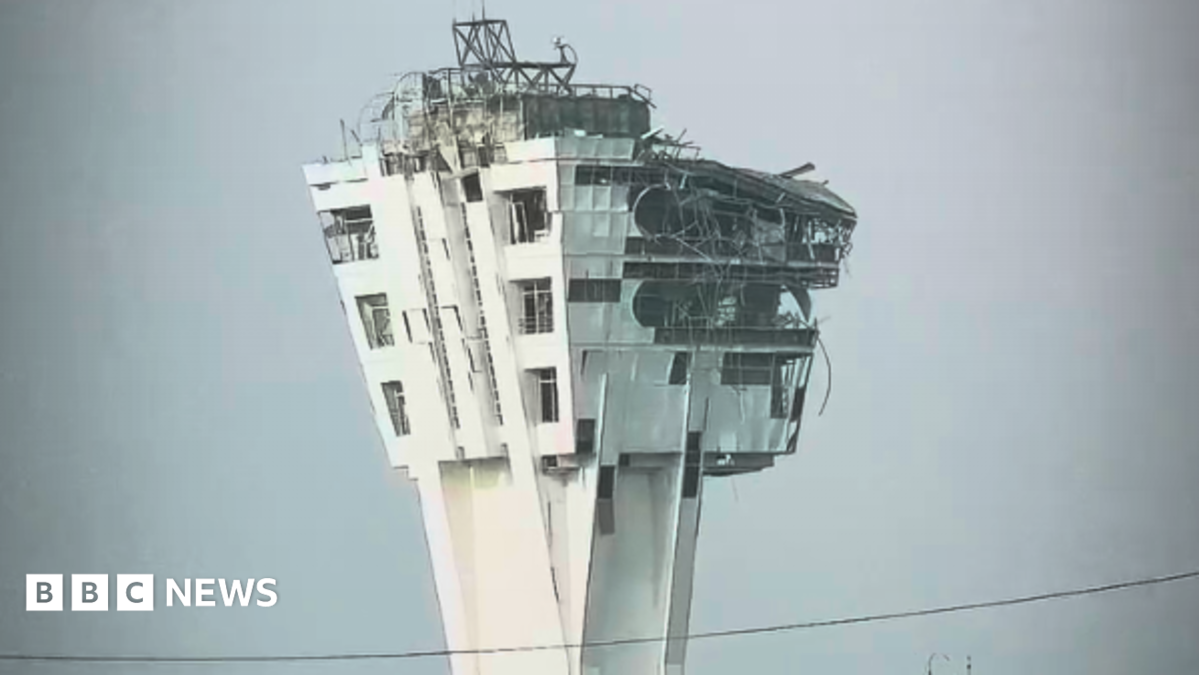
In response, Iran’s Revolutionary Guard claimed to have launched ballistic missiles at U.S. Military facilities in Jordan, Bahrain, and Kuwait. While Jordanian authorities stated that their air defenses successfully intercepted eight incoming missiles, reports from Bahrain and Kuwait indicated sirens sounding as countries confronted hostile fire. Iran’s state media also accused the U.S. Of striking near the Bushehr nuclear power plant complex, though U.S. Central Command did not confirm these specific targets in its statements.
The volatility has extended to regional energy infrastructure and transport routes. Maritime data suggests that vessel traffic through the Strait of Hormuz has fluctuated significantly during the fighting. Lloyd’s List Intelligence indicated a sharp decline in transits through the U.S.-coordinated Omani route, effectively halting regular traffic through that lane.
Attribution of recent explosions in Iran remains contested. While Iranian officials have publicly blamed the United States for strikes in the south of the country, a U.S. Official told Al Jazeera that Washington was not responsible for the latest incidents. Separately, Israeli public broadcaster Kan reported that the attacks may have been carried out by one or more Arab states, though no government has issued official confirmation of such an operation.
The human and political costs of the war continue to mount. According to the Iranian Health Ministry, the two days of U.S. Airstrikes have resulted in at least 14 deaths and 78 injuries. Simultaneously, Iran concluded a six-day funeral procession for the late Supreme Leader, Ayatollah Ali Khamenei, who was killed during the opening salvos of the war on 28 February. Millions of mourners attended ceremonies across multiple cities, concluding with his burial in Mashhad on Friday.
What to watch next
- Diplomatic status: Technical-level talks regarding a potential nuclear deal remain in a state of uncertainty. While President Trump indicated that he believes negotiators are "wasting their time," regional mediators, including officials from Qatar and Pakistan, have continued to hold calls with both sides in an attempt to re-establish de-escalation protocols.
- Shipment security: The status of the Strait of Hormuz remains a primary friction point. With Iran and the U.S. Disagreeing on navigation protocols, global energy markets are monitoring whether shipping lanes will remain open or if further hostilities will necessitate a return to the restricted transit patterns seen earlier in the conflict.
- Military posture: Israeli Defense Minister Israel Katz has stated that his country’s military remains on alert for a potential resumption of fighting, noting that Israel is prepared to strike a third time if necessary to regain air superiority.
- Political meetings: With the conclusion of the funeral for the late Supreme Leader, observers are looking toward Monday to see if technical negotiations, which were paused for the mourning period, will resume as previously scheduled.
Iranian Foreign Minister Abbas Araghchi stated that he has held discussions with his counterparts in Saudi Arabia, Turkey, and Oman. Whether these diplomatic channels can overcome the current military momentum remains the critical question as the region waits to see if the strikes will continue into the weekend.
How significant is this development?
Contribute your assessment to the aggregated reader sentiment ledger.
Frequently Asked Questions
Key questions answered in this reportWhat is the key development in: US and Iran exchange airstrikes and missiles threatening ceasefire deal?
Middle East tensions have intensified as the U.S. and Iran engage in escalating fire, placing an interim ceasefire agreement in jeopardy.
Why is this Transport development significant for the UK?
This report covers critical events in our Transport beat. Independent reporting monitors related UK statements, regulatory shifts, and public responses as further verified details emerge.
How was this reporting corroborated and verified?
Newsarchy UK compiles and cross-references reporting from primary reporting from cnbctv18.com and cross-checked wire reports. All coverage adheres to published editorial standards.
When was this report published?
This briefing was published on July 10, 2026 and is permanently cataloged in the Newsarchy UK Transport archives.