NOCDO and local fitness centers tackle barriers to accessible exercise
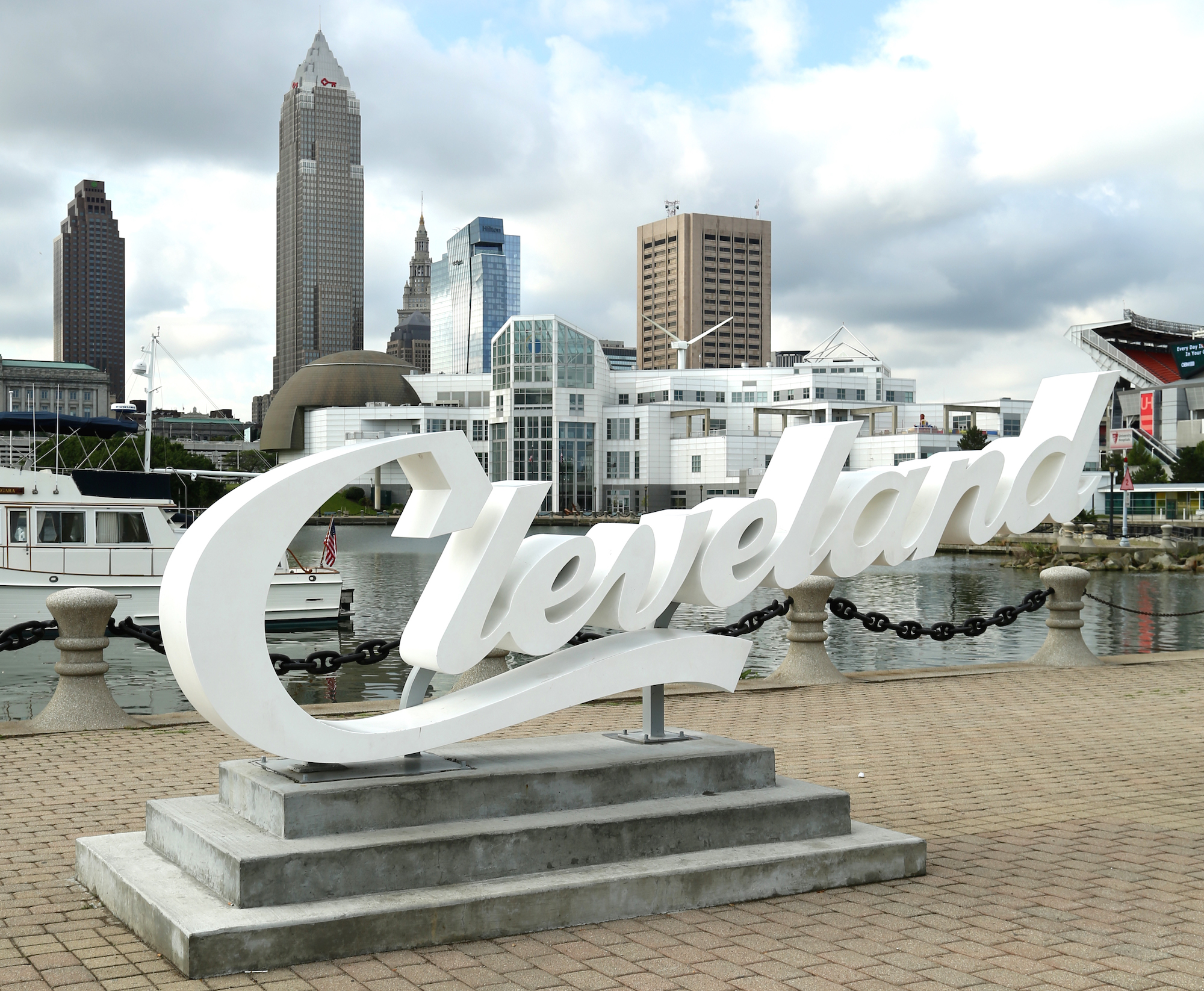
Advocates and health centers in Greater Cleveland are working to improve fitness accessibility by addressing structural barriers and integrating smart exercise technology.
- Core Development: Advocates and health centers in Greater Cleveland are working to improve fitness accessibility by addressing structural barriers and integrating smart exercise technology.
- Beat Context: Categorized under Transport with independent corroboration.
- Reporting Depth: 4 minute analytical read synthesized from verified newsroom sources.
Efforts to increase physical activity in Greater Cleveland are taking a two-pronged approach, focusing on both the fundamental accessibility of fitness environments and the integration of technology to support health outcomes. As fitness advocates and medical professionals work to bridge the gap in wellness opportunities, organizations like the Northeast Ohio Coalition of Disability Organizations (NOCDO) are highlighting the persistence of structural and social barriers in public and private health spaces.
The mission of NOCDO, which functions as a nongovernmental coalition, centers on promoting independence and ensuring that the principles of the Americans with Disabilities Act are upheld across the region. While the coalition does not hold enforcement powers, it acts as a central resource for individuals and organizations seeking to improve inclusivity. This push for broader access comes at a time when health experts point to significant disparities in chronic health conditions among populations with disabilities and those in marginalized communities.
Media additions
Addressing the built environment
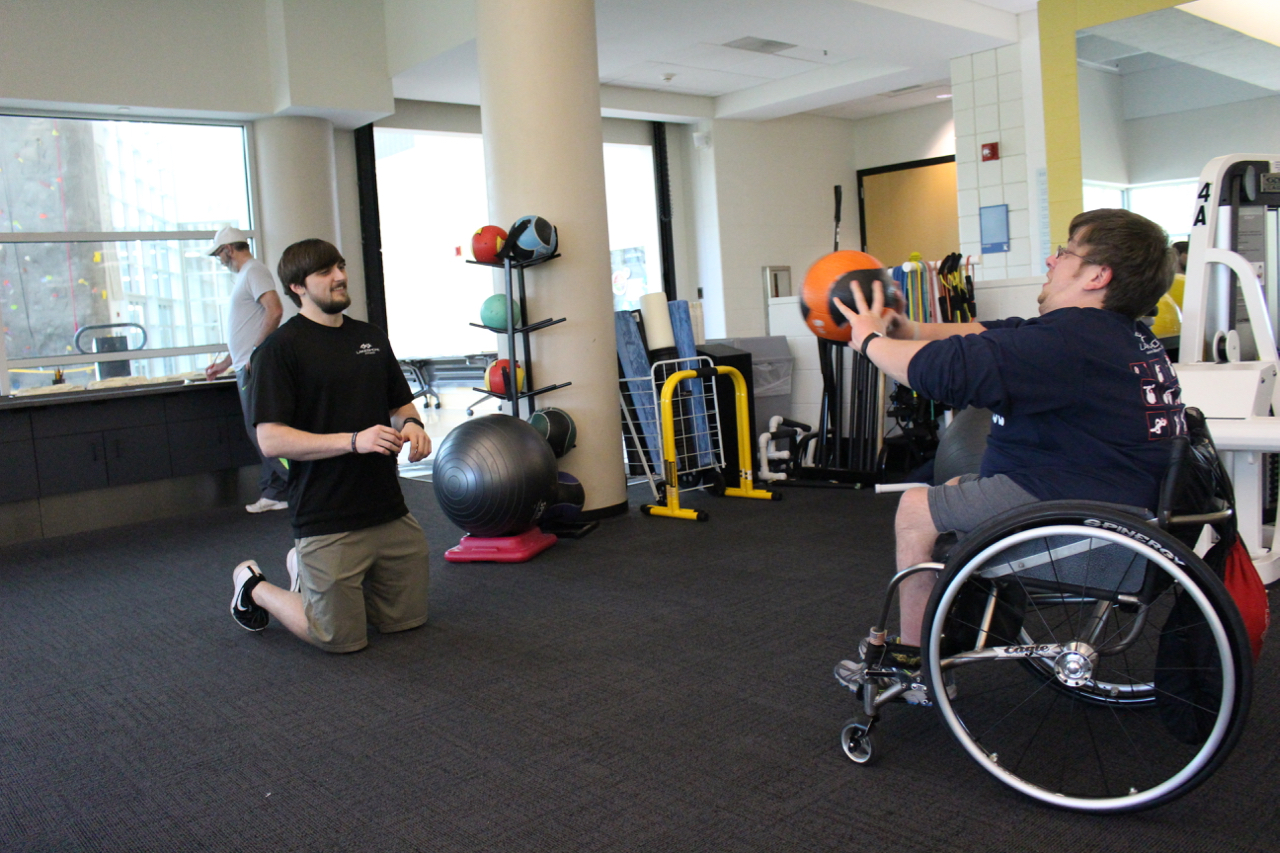
According to the National Center on Health, Physical Activity and Disability (NCHPAD), the physical design of a facility remains one of the primary obstacles to participation. Even years after the passage of federal civil rights legislation, many fitness centers lack the basic features necessary for a truly inclusive space. Experts emphasize that the built environment — ranging from parking lot curb cuts and door widths to the arrangement of weight rooms and locker areas — functions as the initial indicator of whether a facility is welcoming to everyone.
Universal design is increasingly advocated as the standard for new or renovated facilities. This approach goes beyond basic legal mandates to create spaces that serve all individuals regardless of ability or demographic. Beyond structural changes, the instructional domain, how staff are trained to interact with and support members with disabilities, is cited as a critical component. Negative staff attitudes are identified as a significant deterrent, making the training of personnel in supportive and inclusive communication just as vital as physical renovations.
Technology as a bridge
In the Fairfax neighbourhood of Cleveland, the Cleveland Clinic Langston Hughes Community Health and Education Center has introduced a smart gym model that attempts to remove common barriers such as intimidation, technical confusion, and the lack of guidance. By utilizing high-tech exercise equipment, the facility provides an automated experience where machines adjust settings like seat height and load weights based on user data.
"When they go to that machine, it will set the appropriate seat, height, arm settings and load the weight on the machines and track each of their reps."
Dr. Matthew Kampert, Cleveland Clinic Sports Medicine and Endocrinology specialist, via News5cleveland
The system is designed to track progress over time, allowing participants to review their metrics through a smartphone app. This data-driven approach is intended to provide accountability while helping users transition from viewing themselves as patients to becoming athletes. The inclusion of on-site exercise physiologists serves as a further layer of support, helping to answer questions and reduce the anxiety often associated with starting a new fitness routine.
The impact of such initiatives can be significant. Participants in the Fairfax program have reported improved health outcomes, including the reduction of medication use and enhanced respiratory function. By creating a environment where exercise is free and guided, providers aim to address the systemic health risks that are often exacerbated by a lack of accessible and safe workout spaces in marginalized communities.
Moving Forward
While technology offers one path forward, advocates emphasize that physical accessibility must remain a priority. For those looking to engage with these issues, the current landscape of fitness and health accessibility can be summarized by the following considerations:
- Physical Access: Check facilities for curb cuts, accessible bathroom stalls, and desk heights.
- Universal Design: Look for spaces designed to accommodate all users from the outset, rather than through retrofitting.
- Instructional Training: Seek out centers where staff have undergone training to effectively support individuals of varying abilities.
- Technological Integration: Smart equipment can assist in removing the burden of manual adjustments and monitoring, though it remains a supplement to, not a replacement for, professional guidance.
The efforts in the Fairfax neighbourhood and the advocacy work of organizations like NOCDO represent a broader move toward making health and wellness a universal opportunity rather than a selective benefit.
How significant is this development?
Contribute your assessment to the aggregated reader sentiment ledger.
Frequently Asked Questions
Key questions answered in this reportWhat is the key development in: NOCDO and local fitness centers tackle barriers to accessible exercise?
Advocates and health centers in Greater Cleveland are working to improve fitness accessibility by addressing structural barriers and integrating smart exercise technology.
Why is this Transport development significant for the UK?
This report covers critical events in our Transport beat. Independent reporting monitors related UK statements, regulatory shifts, and public responses as further verified details emerge.
How was this reporting corroborated and verified?
Newsarchy UK compiles and cross-references reporting from primary reporting from news5cleveland.com and cross-checked wire reports. All coverage adheres to published editorial standards.
When was this report published?
This briefing was published on July 10, 2026 and is permanently cataloged in the Newsarchy UK Transport archives.