US Federal Reserve raises key rate to 3.75%-4% after 3‑year pause
The Federal Reserve has lifted its benchmark rate to 3.75%-4% in a unanimous vote, marking the first rate increase in over three years amid persistent inflation.

- Core Development: The Federal Reserve has lifted its benchmark rate to 3.75%-4% in a unanimous vote, marking the first rate increase in over three years amid persistent inflation.
- Beat Context: Categorized under Business with independent corroboration.
- Reporting Depth: 4 minute analytical read synthesized from verified newsroom sources.
On Wednesday, the Federal Reserve lifted its benchmark federal‑funds rate by a quarter‑point, extending the target range to 3.75 percent‑4 percent – the first increase in more than three years and the first move under Chair Kevin Warsh since he took over as chair earlier this year.
The decision, announced by the board of governors, was framed as a response to persistently high inflation. The unanimity of the vote marked a consensus, especially given the political pressure from President Donald Trump, who had called for lower interest rates.
Media additions

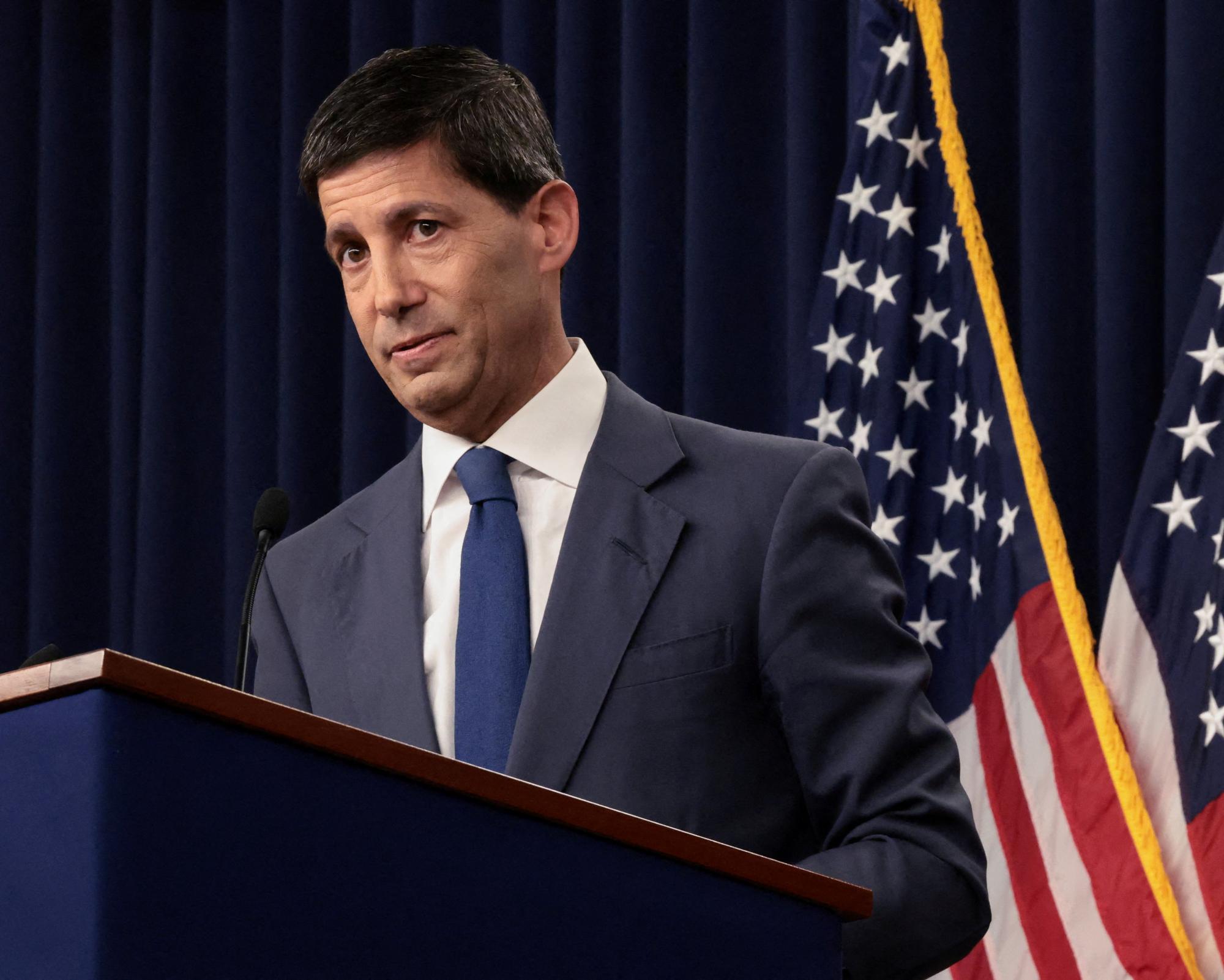
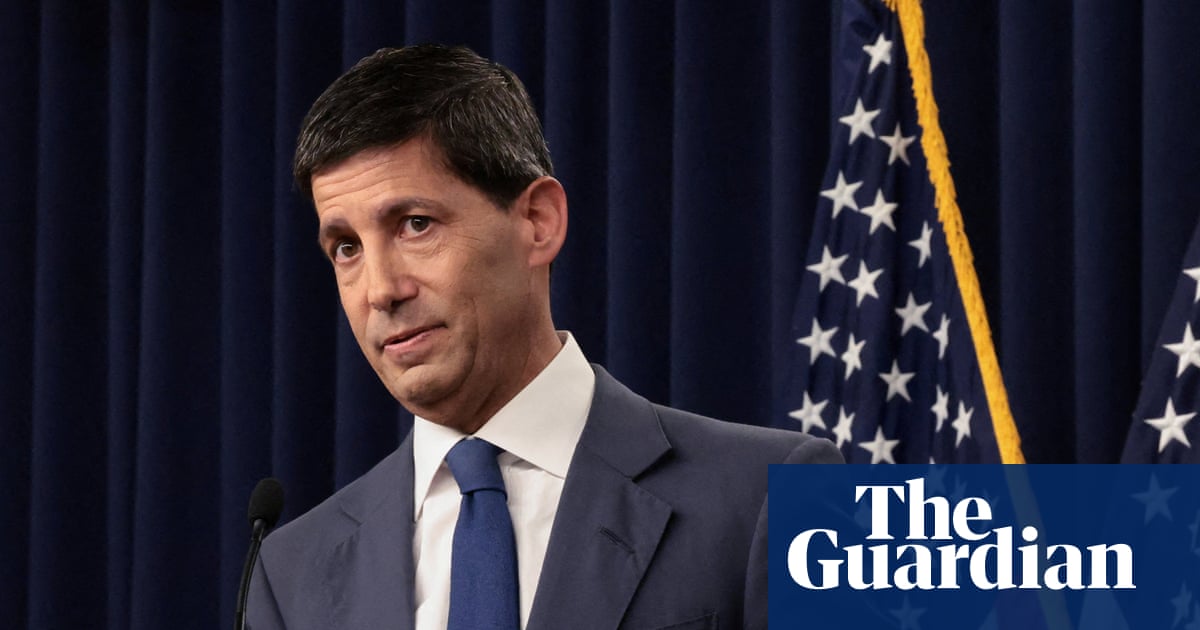
"Inflation remains elevated. Today’s policy action will support a timelier return to the Committee’s 2 percent goal,"
Federal Open Market Committee statement, via The Guardian
Warsh, who was nominated under the expectation that he would cut rates, stressed the Fed’s independence. He said the “least well‑off” Americans – those without homes or investments – “represent a bit less than half of the country” and that the Fed can do two things to help them: ensure the unemployment rate is low, and ensure price stability. USA Today
"The plain fact is that inflation is too high and has been for too long,"
Kevin Warsh, press conference, via NBC News
Why inflation is still a problem
At the heart of the Fed’s decision lies stubborn price pressure. The personal consumption expenditures (PCE) price index – which the Fed uses for its 2% inflation target – was reported at an annual rate of 3.7 percent in June and July, well above the central bank’s target Latestly. The Consumer Price Index (CPI) showed a 3.4 percent year‑over‑year increase in August CBS News. AAA data cited across several outlets put the national average gasoline price at roughly $4.36‑$4.37 per gallon, while average US diesel prices have notched an all-time record high of $6.27 per gallon.
Geopolitical tension has also driven the 10‑year Treasury yield to a 19‑year high, prompting a sell‑off in the bond market that feeds through to higher borrowing costs for mortgages, auto loans and credit cards. As Daily Mail noted, “Unless the labor market weakens more meaningfully, such as through a sustained increase in jobless claims, employment data is unlikely to pull the Fed’s attention away from prices.”
Political backdrop
President Trump’s public demands for lower rates have created a stark contrast with the Fed’s mandate. Trump nominated Warsh under the expectation that he would cut rates, though Warsh has said he maintains independence from the White House. The clash underscores a broader debate about monetary policy’s role amidst an election cycle that begins in November.
Projections and the road ahead
New projections released with the decision show a split outlook. A majority of officials penciled in another rate hike before the year’s end, with four officials predicting the Fed’s benchmark interest rate will reach a range of 4.25% to 4.5% by the end of the year.
| Metric | Current | Projected End‑2026 | Projected End‑2027 |
|---|---|---|---|
| Federal‑funds target range | 3.75‑4 percent | 4.1 percent (median) | 4.1 percent (median) |
| Inflation (PCE) | 3.7 percent annual rate (June‑July) | — | — |
| Inflation (CPI) | 3.4 percent annual rate (August) | , | , |
Economists from Johnson Investment Counsel and Principal Asset Management warned that if energy prices stay elevated, the Fed may need “another hike or two” before inflation settles CBS News. By contrast, analysts at Laffer Tengler Investments argued that “the market has already priced in a series of hikes” and that the Fed’s lack of forward guidance adds uncertainty Daily Mail.
Impact on households and markets
For borrowers, the hike translates into higher rates on variable‑rate credit cards, auto loans and the variable portion of adjustable‑rate mortgages. Savers, meanwhile, may see higher returns on some savings accounts and certificates of deposit as financial institutions adjust their rates, a point noted by both CBS News and the Daily Mail.
Equity markets reacted swiftly. As Daily Mail reported, 'This hike was overwhelmingly expected by market participants, so the decision itself is not a surprise. The more important question is whether this is a one-off, or one of many,' former Goldman Sachs analyst Nic Puckrin told the Daily Mail.
Timeline of recent Fed actions
- July 2023 – Last rate hike, raising the target range to 5.25‑5.5 percent.
- September 16 2026 – Unanimous 0.25 percentage‑point increase to 3.75‑4 percent.
What to watch next
Analysts agree that the Fed’s next moves hinge on three variables:
- Energy prices – If oil stays above $100 per barrel, inflation pressures could persist.
- Labor market data – A sustained rise in jobless claims could tilt the balance toward a pause.
- Political developments – Midterm election outcomes may influence fiscal policy and, indirectly, monetary expectations.
The Federal Open Market Committee is scheduled to release its full Summary of Economic Projections later this week, providing more detail on GDP growth assumptions and the “neutral” rate. Investors will also watch the November midterms for signs of policy shifts that could affect the Fed’s room to maneuver.
For a deeper dive into how the rate change is affecting U.S. Equities, see our analysis of the latest stock‑futures movement, and for an outlook on precious metals, visit Gold prices rebound ahead of the Fed decision.
How significant is this development?
Contribute your assessment to the aggregated reader sentiment ledger.
Frequently Asked Questions
Key questions answered in this reportWhat is the key development in: US Federal Reserve raises key rate to 3.75%-4% after 3‑year pause?
The Federal Reserve has lifted its benchmark rate to 3.75%-4% in a unanimous vote, marking the first rate increase in over three years amid persistent inflation.
Why is this Business development significant for the UK?
This report covers critical events in our Business beat. Independent reporting monitors related UK statements, regulatory shifts, and public responses as further verified details emerge.
How was this reporting corroborated and verified?
Newsarchy UK compiles and cross-references reporting from primary reporting from NBC News and cross-checked wire reports. All coverage adheres to published editorial standards.
When was this report published?
This briefing was published on September 16, 2026 and is permanently cataloged in the Newsarchy UK Business archives.