Locksmith scams surge by 147 percent as rogue firms exploit Google search
Rogue traders are using bait-and-switch tactics and manipulative search advertising to trap homeowners with inflated invoices. Industry bodies are calling for stricter regulation of online trade listings.

- Core Development: Rogue traders are using bait-and-switch tactics and manipulative search advertising to trap homeowners with inflated invoices. Industry bodies are calling for stricter regulation of online trade listings.
- Beat Context: Categorized under Business with independent corroboration.
- Reporting Depth: 3 minute analytical read synthesized from verified newsroom sources.
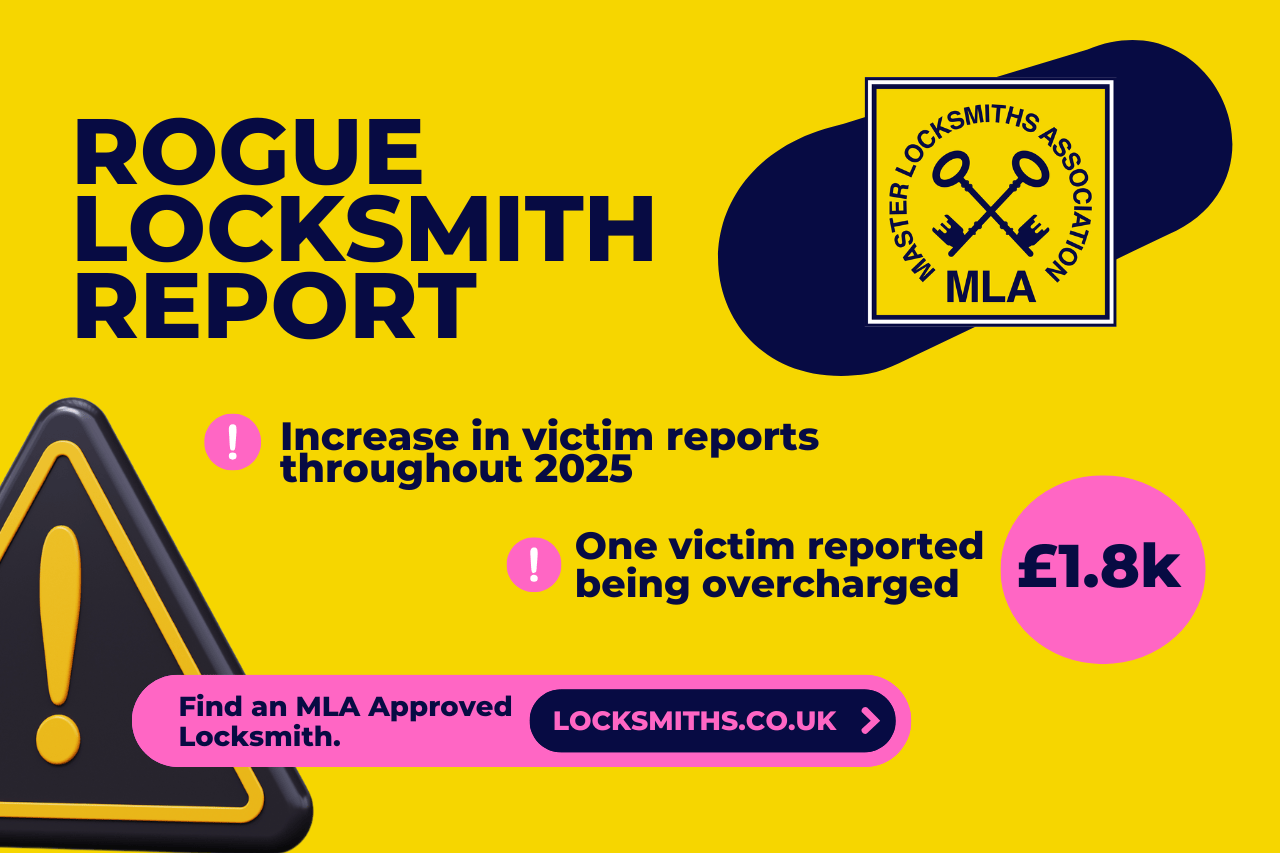
A surge in "bait-and-switch" locksmith scams has prompted urgent warnings from industry bodies. Reported incidents of rogue traders exploiting homeowners in distress have risen by 147% between January and March 2026 compared to the same period in 2025. This sharp increase follows a broader trend that saw complaints about fraudulent locksmithing activities rise by 66% between 2021 and 2025.
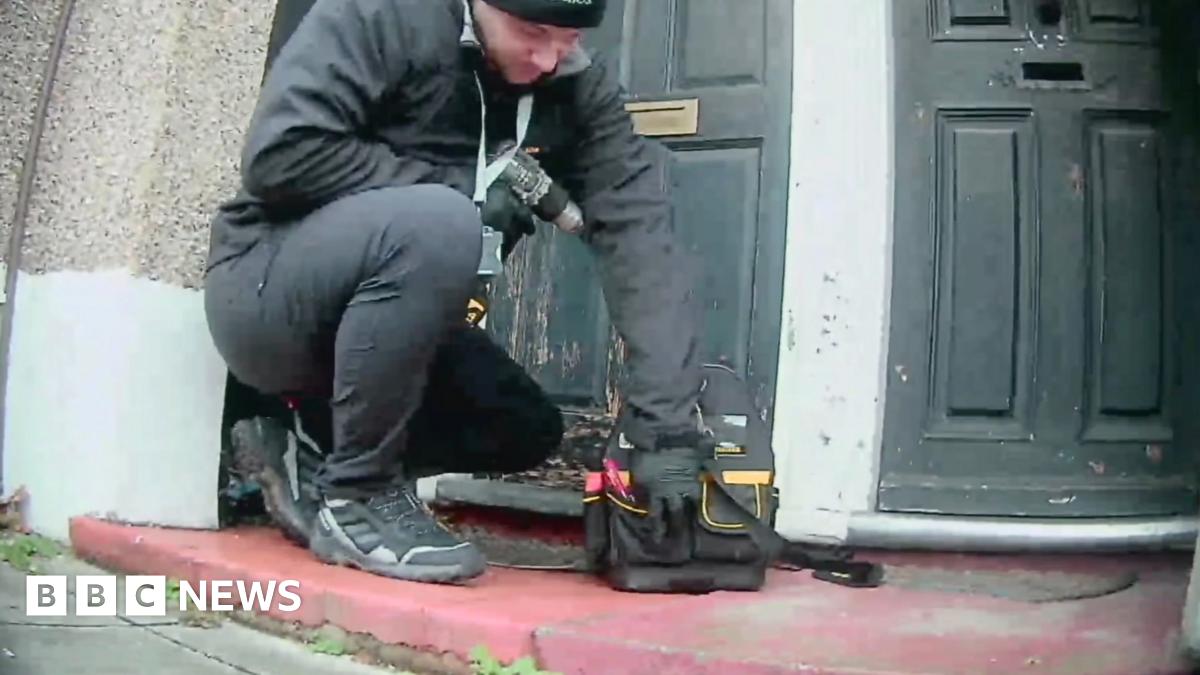
The practice, commonly referred to in the trade as a "49-er," involves firms advertising or providing a low initial quote—often around £49—to secure a booking. Once the locksmith arrives at the property, the situation is frequently escalated through claims that a lock is "complicated" or high-security, necessitating destructive entry. In many instances, the locksmith then performs unnecessary drilling or damages the door hardware, leaving the customer with an insecure property and a massively inflated invoice, sometimes reaching several thousand pounds.
Media additions

The Role of Search Engines
According to the Master Locksmiths Association (MLA), the ease with which these firms access consumers is driven largely by search engine advertising. Many rogue operators run large, centralized call centers that pose as small, local businesses to manipulate local search results. Because search engine positioning for commercial services is often determined by the amount spent on advertising rather than the quality of the service provided, these scam operations frequently appear at the top of results under sponsored ad slots.
Steffan George, managing director of the MLA, notes that a search result is not a reflection of a firm's competence. As George says, a search engine result for a locksmith “is not an indication of how good a company is, it’s an indication of how much money they’re spending with Google”, according to The Guardian reporting. While Google maintains that it removed or blocked 602 million ads associated with scams in 2025, critics argue that the platforms remain a primary vector for these financial crimes. Similar to the BBC’s findings, investigations have shown that even when individual ads are removed, the underlying operations often continue to function under new aliases.
Escalating Costs and Intimidation
The financial impact on victims is significant. In one case documented by the Bbc, a couple was invoiced £2,802 for work that resulted in such severe damage to their door and frame that it required an additional £2,244 to repair. Other victims, including a mother locked out with her infant, reported being pressured into immediate payments of over £2,200 via card machines brought directly to their door. Many victims express a fear of reporting these crimes, citing the fact that the individuals possess their home addresses and have already demonstrated an aggressive, confrontational demeanor.
How to Identify and Avoid Rogue Traders
Industry experts and consumer advocates suggest the following measures to avoid becoming a victim of these practices:
- Plan ahead: Do not wait until you are locked out to search for a locksmith. Find a reputable, vetted professional now and save their number in your phone.
- Verify credentials: Look for businesses that belong to established bodies like the Master Locksmiths Association.
- Beware of low quotes: Be skeptical of any advertised price that seems significantly lower than the market rate, as these are often bait for a much higher final bill.
- Demand transparency: A legitimate professional should be willing to discuss pricing structures and potential complications before arriving at your property.
Currently, the locksmithing industry remains unregulated in the UK, meaning there is no legal requirement for practitioners to undergo background checks or possess specific qualifications. The MLA has launched a parliamentary petition to lobby for legislation that would require search engines to verify emergency trade advertisers before allowing them to publish sponsored content. Meanwhile, the UK government is reportedly reviewing how other countries, including Germany and the Netherlands, have successfully implemented bans or stricter verification processes for locksmith advertising to mitigate fraud.
For those who have already fallen victim to these scams, experts advise contacting Citizens Advice to facilitate reports to Trading Standards. As the industry awaits potential regulatory action, the advice from professionals is clear: rely on recommendations and pre-vetted local contacts rather than the top-listed results of a last-minute internet search.
How significant is this development?
Contribute your assessment to the aggregated reader sentiment ledger.
Frequently Asked Questions
Key questions answered in this reportWhat is the key development in: Locksmith scams surge by 147 percent as rogue firms exploit Google search?
Rogue traders are using bait-and-switch tactics and manipulative search advertising to trap homeowners with inflated invoices. Industry bodies are calling for stricter regulation of online trade listings.
Why is this Business development significant for the UK?
This report covers critical events in our Business beat. Independent reporting monitors related UK statements, regulatory shifts, and public responses as further verified details emerge.
How was this reporting corroborated and verified?
Newsarchy UK compiles and cross-references reporting from primary reporting from theguardian.com and cross-checked wire reports. All coverage adheres to published editorial standards.
When was this report published?
This briefing was published on July 15, 2026 and is permanently cataloged in the Newsarchy UK Business archives.