Nifty falls below 23,350, Sensex drops 330 points, IT loses 1
Indian equity benchmarks closed lower on Tuesday with the Sensex dropping over 300 points and the Nifty falling below the 23,350 mark due to profit-taking.

Indian equity benchmarks closed on a weak note on Tuesday, 22 September 2026, with the Nifty falling below the 23,350 mark and the Sensex dropping over 300 points. Selling pressure intensified at higher levels as market participants engaged in profit-taking. Frontline indices failed to hold their opening gains, weighing on investor sentiment across domestic exchanges. On the weekly expiry day, the benchmark index Nifty opened with a marginal upside gap but failed to sustain at higher levels, witnessing gradual selling pressure through most of the session. A mild recovery in the final hour helped the index trim some losses, but it eventually settled in negative territory.
At the closing bell, the Sensex fell 329.91 points to settle at 74,529.08. The Nifty declined by 85.30 points to close at 23,329. Broader markets mirrored the weakness of frontline indices, with the Nifty Midcap 100 and Smallcap 100 indices finishing in negative territory. Market breadth leaned toward declining stocks as broad-based selling swept through various sectors. Within the Nifty 500 universe, hundreds of stocks ended the session in the red, highlighting the widespread selling pressure across the market.
Media additions


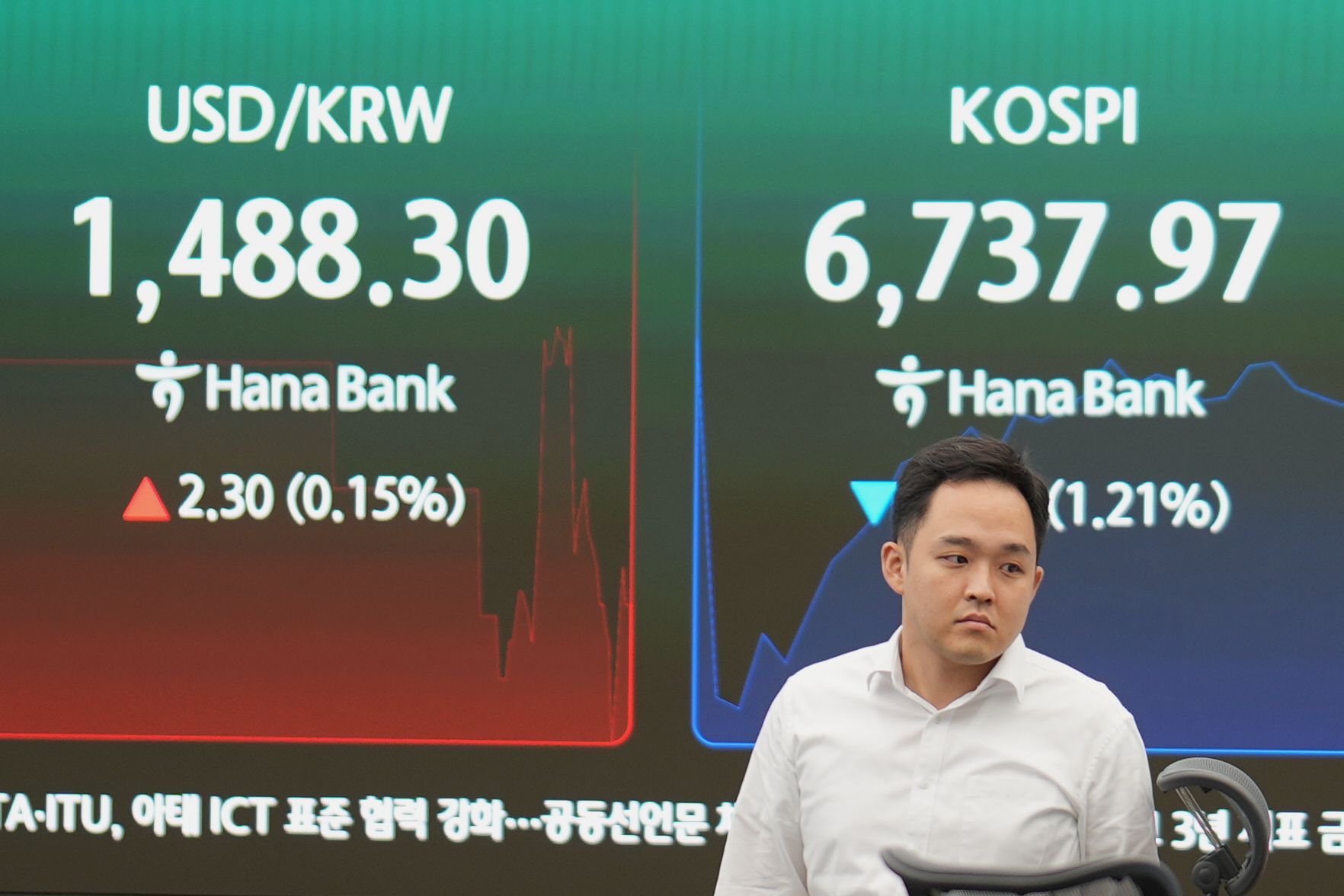
Sectoral performance was mixed, though technology shares faced notable downward pressure. The Nifty IT index shed nearly one percent, acting as a primary drag on the broader market. Other sectors such as FMCG, PSU Bank, Pharma, and Oil & Gas also posted losses. Conversely, the Media index outperformed by gaining one percent, and the Realty index added positive ground.
Among individual constituents, major drags included Tata Consumer Products, Bajaj Finserv, Nestle, Bajaj Finance, and Grasim Industries. On the winning side, stocks such as Coal India, Interglobe Aviation, Eternal, Titan Company, and Dr Reddy's Labs managed to register gains. High trading volume was also observed in other counters, with shares such as Voltas, ABB India, and Honeywell Automation ending lower in the closing session amid increased trading activity.
The domestic market pullback occurred against a backdrop of shifting global energy prices and geopolitical developments. International energy markets experienced considerable flux following reports regarding shipping lanes and diplomatic talks involving the United States and Iran. According to international reports, initial accords and negotiations aimed at halting hostilities created windows for potential shipping normalization through the Strait of Hormuz, pulling Brent crude oil prices lower from earlier peaks and easing immediate energy-price pressures. The continued decline in crude oil prices, with Brent slipping below the key $100 per barrel level, provided some relief to investors and helped the domestic market recover from intraday lows, although overall sentiment remained cautious.
Technical analysts noted that the Nifty’s inability to sustain recovery attempts near higher resistance zones left short-term momentum vulnerable. Market observers pointed out immediate support levels for the Nifty, while key resistance barriers continue to cap near-term upward movements. On the daily chart, the index formed a bearish candle, indicating continued weakness in the near term, with the index continuing to trade below its key short-term and long-term moving averages. In addition, the daily RSI remained positioned in the bearish zone, reflecting weak momentum. The Bank Nifty also navigated narrow ranges while testing crucial moving averages and resistance thresholds, consolidating within a narrow range while trading below its key short and medium-term moving averages.
Investors continue to monitor currency movements as well, with the Indian rupee closing lower against the US dollar during the session. The Indian rupee ended 22 paise lower at 95.59 per dollar on Tuesday versus Monday's close of 95.81. Market participants are advised to watch upcoming corporate earnings, economic indicators, and developments regarding energy price stability to gauge the next directional phase for domestic equities.