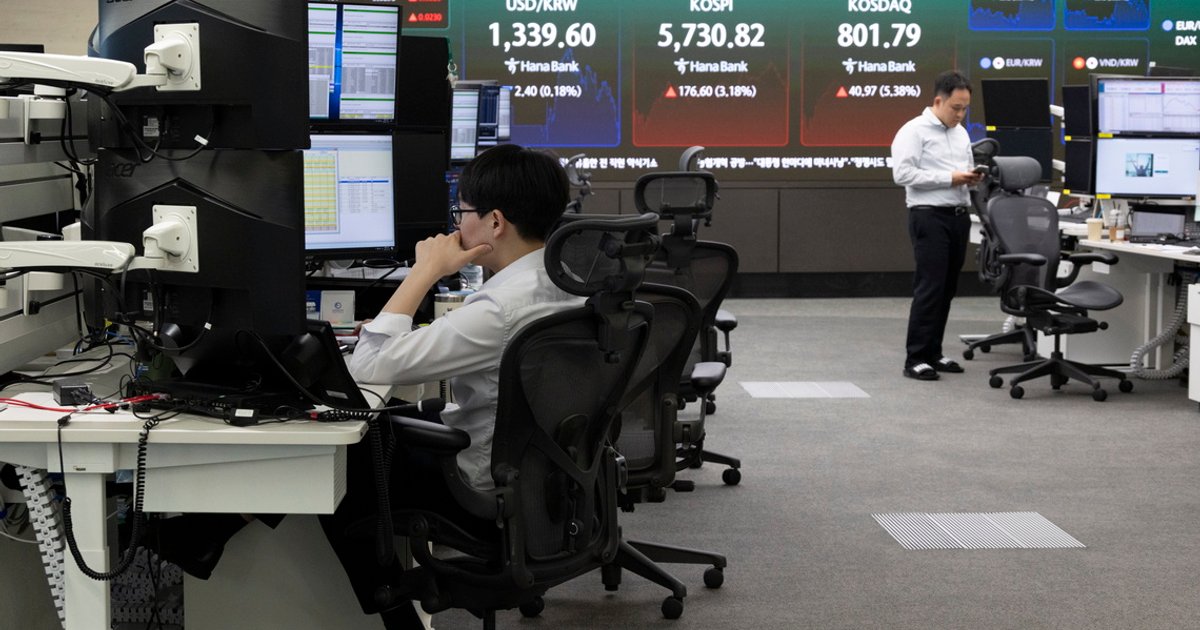
Nigeria rejoins FTSE Frontier Index after three-year absence
Nigeria has officially rejoined the FTSE Frontier Index Series after a three-year absence, buoyed by improved foreign-exchange liquidity and structural market enhancements.

- Core Development: Nigeria has officially rejoined the FTSE Frontier Index Series after a three-year absence, buoyed by improved foreign-exchange liquidity and structural market enhancements.
- Beat Context: Categorized under Business with independent corroboration.
- Reporting Depth: 3 minute analytical read synthesized from verified newsroom sources.
Nigeria has officially rejoined the FTSE Frontier Index Series following a prolonged three-year absence. The reclassification comes as part of FTSE Russell’s latest periodic review, which designates the West African nation as a Frontier Market once more after previously being relegated to unclassified status due to severe foreign-exchange bottlenecks and capital-repatriation hurdles for global investors.
The market reclassification, scheduled to take effect from the opening of trading on September 21, 2026, restores Nigeria to the global index radar after the country was demoted in September 2023. At that time, strict capital controls, foreign-exchange liquidity crises, and operational barriers prevented international participants from smoothly pulling capital out of the region.
Media additions

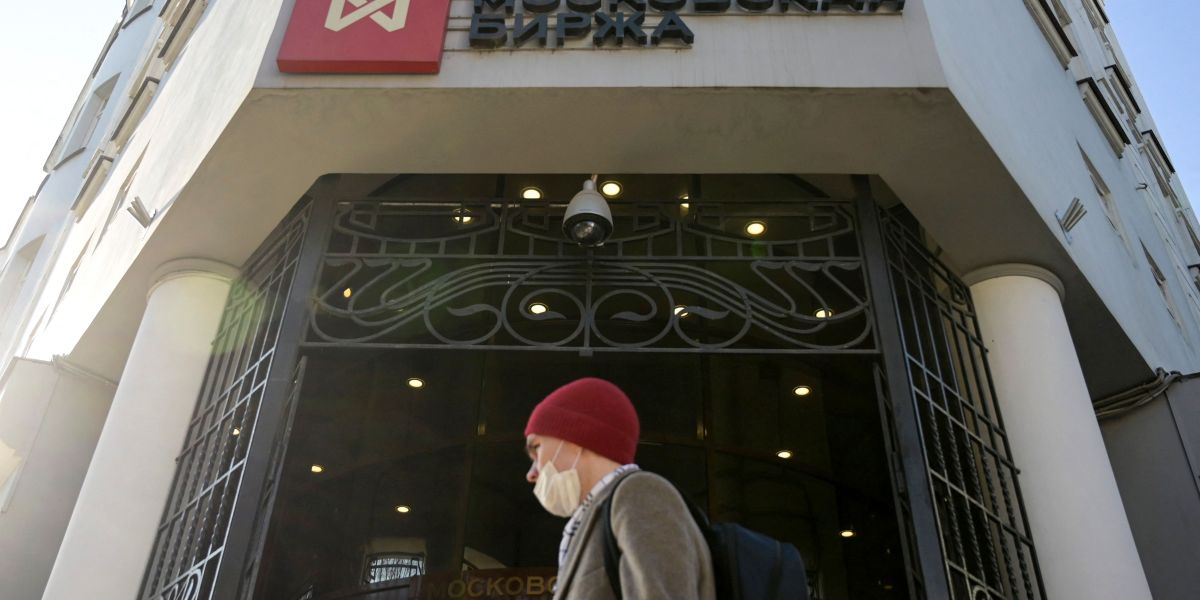
According to Business Post Nigeria, the path back to the global benchmark was cleared by tangible improvements in foreign-exchange liquidity alongside the domestic capital-market infrastructure upgrade to a T+1 settlement cycle, which was rolled out in June 2026. The Federal Ministry of Finance welcomed the decision, characterizing it as an endorsement of ongoing economic reforms and a meaningful signal that the domestic market is operating with greater openness and order. Finance Minister and Coordinating Minister of the Economy Mr Taiwo Oyedele emphasized that the reclassification represents a milestone rather than a final destination, reiterating long-term ambitions to cultivate a sufficiently liquid and competitive capital market capable of scaling to Emerging Market status.
FTSE Russell’s September evaluation identified a total of 31 Nigerian stocks eligible for its Frontier Index Series. Among them, 10 prominent companies secured designations as newly eligible large-cap constituents. These key entities span several core economic pillars, including financial services, telecommunications, and consumer goods.
| Company | Sector | Market Capitalisation |
|---|---|---|
| Dangote Cement | Construction / Materials | ~N17.45 trillion |
| MTN Nigeria Communications | Telecommunications | ~N16.85 trillion |
| First HoldCo | Financial Services | ~N6.82 trillion |
| Guaranty Trust Holding Company (GTCO) | Financial Services | Not specified |
| Aradel Holdings | Energy / Diversified | Not specified |
| Nestlé Nigeria | Consumer Goods | Not specified |
| Nigerian Breweries | Consumer Goods | Not specified |
| Presco | Agriculture | Not specified |
| Stanbic IBTC Holdings | Financial Services | Not specified |
| Zenith Bank | Financial Services | Not specified |
The collective market valuation of these 10 designated large-cap corporations stands at approximately N67.14 trillion based on current trading figures. Dangote Cement leads the cohort in terms of scale, followed closely by MTN Nigeria Communications and First HoldCo. Nigerian Exchange (NGX) Group Chief Executive Mr Temi Popoola noted that this reinstatement serves as a strategic vehicle to broaden international participation, inject vital liquidity, and marshal long-term capital for local enterprises.
Despite the optimistic outlook shared by domestic regulators and exchange executives, market analysts maintain that sustained foreign institutional engagement relies heavily on continued stability in foreign-exchange reserves and unhindered capital repatriation channels. Global fund managers tracking frontier-market allocations are expected to gradually re-weight their portfolios to incorporate the newly eligible Nigerian equities, potentially driving fresh foreign portfolio inflows into the nation's most liquid stocks.
What happens next hinges on the official market implementation date of September 21, 2026, when index-linked funds tracking the FTSE Frontier benchmarks adjust their holdings to reflect Nigeria's reintegration. Market watchers will also monitor ongoing macroeconomic indicators, including foreign-exchange availability and trade data, to verify whether the structural improvements underpinning the upgrade remain durable over the remainder of the fiscal year.
How significant is this development?
Contribute your assessment to the aggregated reader sentiment ledger.
Frequently Asked Questions
Key questions answered in this reportWhat is the key development in: Nigeria rejoins FTSE Frontier Index after three-year absence?
Nigeria has officially rejoined the FTSE Frontier Index Series after a three-year absence, buoyed by improved foreign-exchange liquidity and structural market enhancements.
Why is this Business development significant for the UK?
This report covers critical events in our Business beat. Independent reporting monitors related UK statements, regulatory shifts, and public responses as further verified details emerge.
How was this reporting corroborated and verified?
Newsarchy UK compiles and cross-references reporting from primary reporting from Business Post Nigeria and cross-checked wire reports. All coverage adheres to published editorial standards.
When was this report published?
This briefing was published on September 7, 2026 and is permanently cataloged in the Newsarchy UK Business archives.