Novo Nordisk sues Eli Lilly over alleged false weight-loss drug ads
The litigation claims Eli Lilly’s marketing for Mounjaro and Zepbound uses outdated data to unfairly compare efficacy against Wegovy and Ozempic.
- Core Development: The litigation claims Eli Lilly’s marketing for Mounjaro and Zepbound uses outdated data to unfairly compare efficacy against Wegovy and Ozempic.
- Beat Context: Categorized under Business with independent corroboration.
- Reporting Depth: 3 minute analytical read synthesized from verified newsroom sources.
The pharmaceutical industry’s intensifying competition for the lucrative obesity and diabetes treatment market has moved from the pharmacy counter to the courtroom. Novo Nordisk, the manufacturer of Wegovy and Ozempic, has launched legal action against its primary competitor, Eli Lilly, alleging that the US-based firm deployed false advertising in its promotion of Mounjaro and Zepbound.
The legal complaint, filed in the United States District Court for the District of New Jersey, claims that Eli Lilly’s marketing campaigns intentionally mislead consumers by suggesting its drugs possess superior efficacy. According to the court filing reported by Finance, Novo Nordisk asserts that these advertisements rely on outdated clinical data that compares the highest doses of Eli Lilly’s products against lower, non-equivalent doses of Novo Nordisk’s semaglutide treatments. The lawsuit alleges violations of federal and state false advertising statutes, including provisions under the Lanham Act.
Allegations of Omitted Data
Novo Nordisk contends that the comparative claims made in recent advertising spots are deceptive because they bury or omit critical clinical context. Specifically, the company points to two primary areas of contention:
- Zepbound vs. Wegovy: Novo Nordisk claims that advertisements compare the highest dose of Zepbound against lower doses of Wegovy, while failing to acknowledge the existence of newer, more potent options.
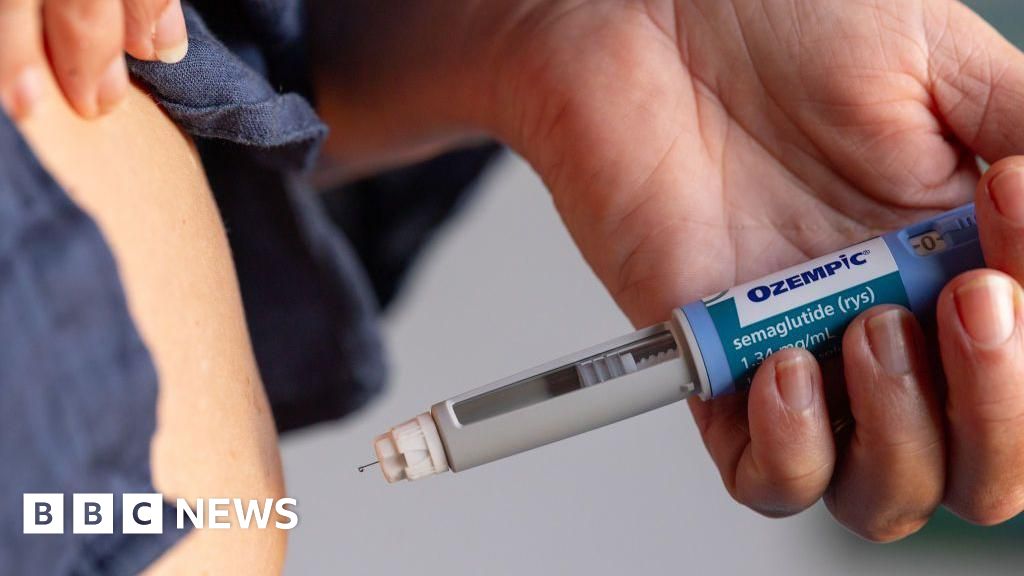
- Mounjaro vs. Ozempic: The complaint alleges that Eli Lilly’s marketing pits the maximum 15 mg dose of Mounjaro against a 1 mg dose of Ozempic, effectively ignoring the 2 mg maintenance dose of Ozempic that has been approved for years.
John F. Kuckelman, senior vice president and group general counsel for Novo Nordisk, stated that the company is seeking to ensure patients have access to accurate information.
"As new and more effective treatment options become available, people deserve accurate information that reflects the latest scientific evidence and helps them make informed care decisions,"
John F. Kuckelman, senior vice president and group general counsel, via BBC
Corporate Responses and Legal Demands
This litigation follows a failed attempt to resolve the matter privately. Novo Nordisk reports that it issued a formal cease-and-desist letter to Eli Lilly in April, but maintains that the resulting response—the addition of small disclaimers to the ads—was insufficient to remedy the misleading nature of the claims. As noted by DW, the ads have appeared across high-visibility platforms, including social media channels like TikTok and Facebook, as well as during global sporting events.
Eli Lilly has rejected the accusations. A spokesperson for the company stated that they stand firmly behind the accuracy and transparency of their advertising.
"It is truthful, it is transparent, and it is grounded in the most direct scientific evidence available - exactly what patients deserve. We will continue to focus on the science and defend against this lawsuit vigorously,"
Spokesperson, Eli Lilly, via BBC
Eli Lilly further contended that the comparisons are based on trials that were robustly designed and represent the current gold standard in clinical research. The company has not yet filed a formal defense in court.
Market Context
The intensity of the dispute highlights the massive commercial stakes within the GLP-1 sector, where both firms are racing to capture market share. With supply bottlenecks for these injectable medications beginning to ease, the battle has shifted toward brand perception and clinical messaging. Industry analysts estimate the combined market for these drugs could exceed $100 billion by 2030, a figure that drives the aggressive direct-to-consumer advertising strategies now under judicial scrutiny.
What to Watch Next:
- Preliminary Injunction: Novo Nordisk has signaled that if Eli Lilly does not voluntarily remove the advertisements, it will move to seek a preliminary injunction to freeze the ad campaign while the litigation proceeds.
- Corrective Advertising: The lawsuit demands a court order forcing Eli Lilly to pull the current materials and fund a corrective campaign to address the impressions left by the previous commercials.
- Judicial Review: The US District Court for the District of New Jersey will evaluate whether the comparison of varied dosage levels constitutes a breach of federal competition laws, as no current head-to-head clinical trial exists that compares the maximum doses of both manufacturers' medications directly.
How significant is this development?
Contribute your assessment to the aggregated reader sentiment ledger.
Frequently Asked Questions
Key questions answered in this reportWhat is the key development in: Novo Nordisk sues Eli Lilly over alleged false weight-loss drug ads?
The litigation claims Eli Lilly’s marketing for Mounjaro and Zepbound uses outdated data to unfairly compare efficacy against Wegovy and Ozempic.
Why is this Business development significant for the UK?
This report covers critical events in our Business beat. Independent reporting monitors related UK statements, regulatory shifts, and public responses as further verified details emerge.
How was this reporting corroborated and verified?
Newsarchy UK compiles and cross-references reporting from primary reporting from bbc.com and cross-checked wire reports. All coverage adheres to published editorial standards.
When was this report published?
This briefing was published on July 21, 2026 and is permanently cataloged in the Newsarchy UK Business archives.