Canada Launches Retaliatory Tariffs on U.S. Goods
Canada has enacted approximately $20 billion in retaliatory tariffs against the United States, sparking an escalating trade dispute as Prime Minister Mark Carney resists trade pressure.
- Core Development: Canada has enacted approximately $20 billion in retaliatory tariffs against the United States, sparking an escalating trade dispute as Prime Minister Mark Carney resists trade pressure.
- Beat Context: Categorized under World with independent corroboration.
- Reporting Depth: 3 minute analytical read synthesized from verified newsroom sources.
Canada has launched retaliatory tariffs against the United States, targeting billions of dollars in American goods as an escalating trade dispute reverberates globally. The measures follow sweeping economic moves from Washington, creating high-stakes economic pressure that could determine whether smaller allies can successfully withstand U.S. Trade policies.
The countermeasures enacted by Ottawa arrive amid intense economic friction, drawing widespread attention from international observers tracking the world coverage of escalating bilateral trade wars. According to HuffPost, Canadian Prime Mark Carney has taken a hardline stance, asserting that U.S. Demands threaten to undermine vital domestic sectors and restrict national autonomy. The tit-for-tat economic maneuvers have transformed Ottawa into a focal point for global resistance, testing the limits of smaller economies facing intense external trade pressure.
Media additions

Observers point out that public sentiment north of the border has rallied strongly behind the government's posture. As noted in Huffpost, Canadian historian Robert Bothwell observed that Carney and Canada have effectively become symbols of defiance against Washington's economic strategy. The outcome of the standoff is widely expected to resonate across other foreign capitals, offering a benchmark for how middle powers can navigate aggressive bilateral trade policies.
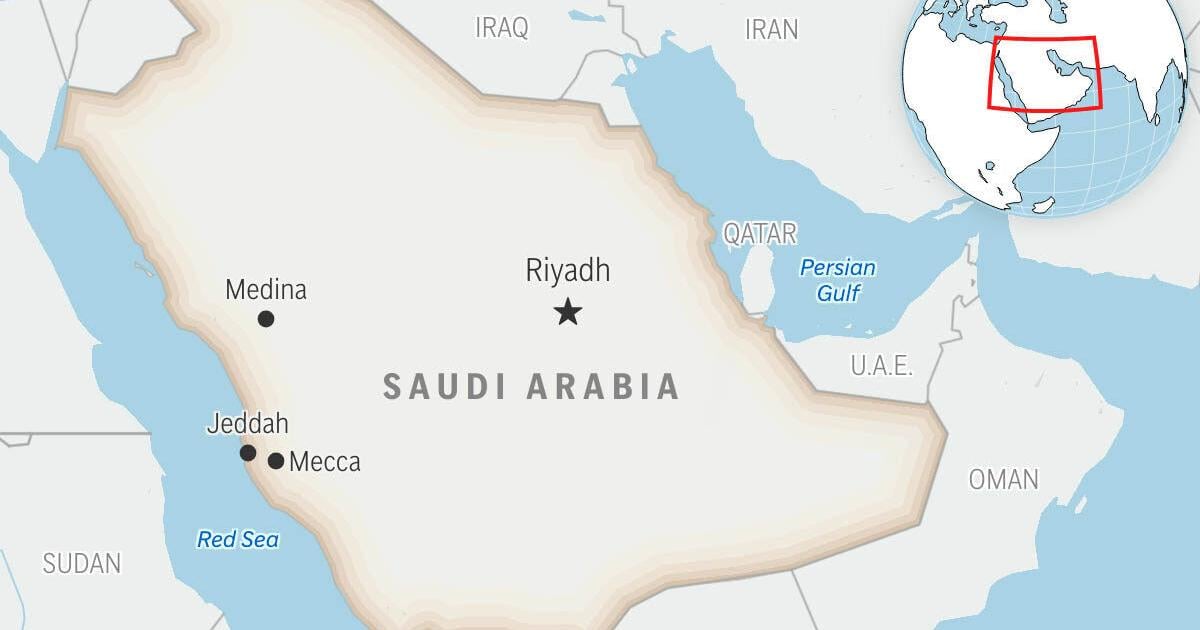
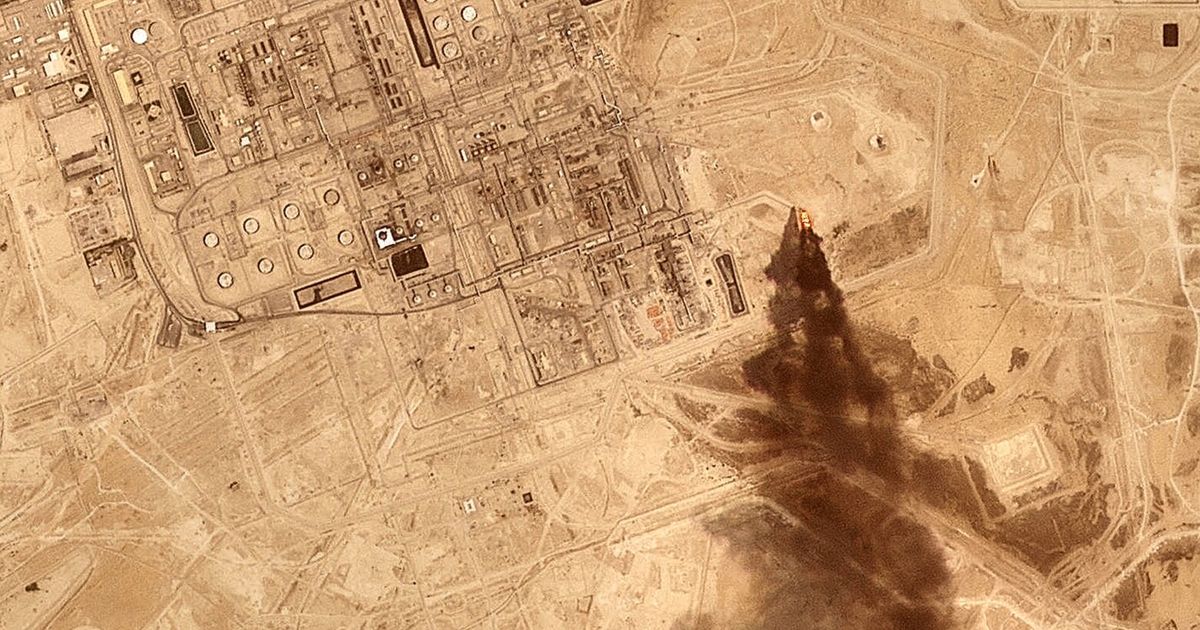
Simultaneously, global markets are absorbing shocks from multiple geopolitical fronts. While North American trade relations strain under new duties, energy markets face severe disruptions following coordinated strikes on regional infrastructure. As detailed in dispatches from NPR and the Seattle Times, regional energy supplies have tightened sharply amid ongoing conflicts that threaten critical maritime trade corridors.
| Metric / Region | Reported Figure | Source Context |
|---|---|---|
| Canadian Retaliatory Tariffs | Approx. $20 billion (U.S. Goods) | HuffPost reporting on Carney's trade response |
| Regional Casualties (Middle East Conflict) | 73+ wounded | NPR / Seattle Times coverage of southern facility attacks |
| Refinery Capacity Affected | 400,000 barrels per day | NPR reporting on the Jazan facility suspension |
| Wider Conflict Casualties (Aug 23–Sep 5) | 194 killed, 880+ wounded | World Health Organization figures cited by Seattle Times |
The economic convergence of North American tariff wars and overseas supply chain threats has placed immense pressure on policymakers. Economists suggest that sustained friction across multiple sectors could alter long-term trade alliances and supply routes. For additional context on how bilateral policies are reshaping markets, consult reporting on Canada's trade measures and broader developments tracked in international trade analysis.
What happens next depends heavily on upcoming legislative and administrative responses from both Ottawa and Washington. Financial analysts will monitor upcoming inflation reports and trade balance data to gauge the immediate domestic fallout of the tariffs. Meanwhile, diplomats are watching to see if bilateral talks can de-escalate the trade conflict before broader commercial supply chains suffer permanent realignment.
How significant is this development?
Contribute your assessment to the aggregated reader sentiment ledger.
Frequently Asked Questions
Key questions answered in this reportWhat is the key development in: Canada Launches Retaliatory Tariffs on U.S. Goods?
Canada has enacted approximately $20 billion in retaliatory tariffs against the United States, sparking an escalating trade dispute as Prime Minister Mark Carney resists trade pressure.
Why is this World development significant for the UK?
This report covers critical events in our World beat. Independent reporting monitors related UK statements, regulatory shifts, and public responses as further verified details emerge.
How was this reporting corroborated and verified?
Newsarchy UK compiles and cross-references reporting from primary reporting from apnews.com and cross-checked wire reports. All coverage adheres to published editorial standards.
When was this report published?
This briefing was published on September 8, 2026 and is permanently cataloged in the Newsarchy UK World archives.