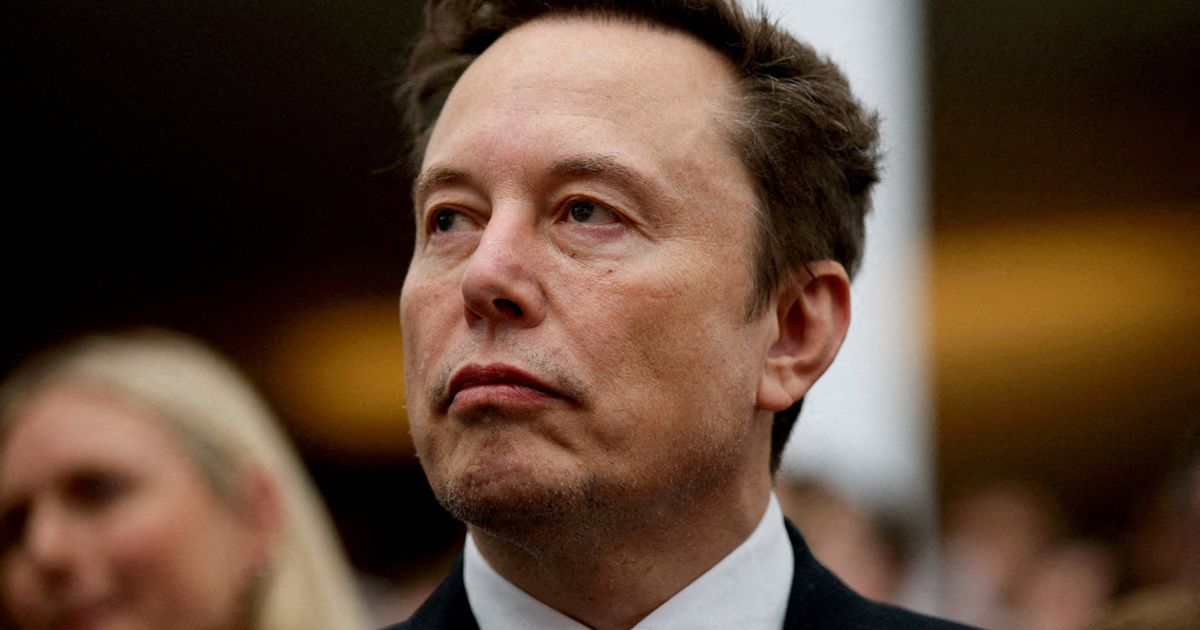
Nvidia brings forward employee salary increases to combat staff attrition
Nvidia has brought forward staff salary increases and stock issuance to December in an effort to combat rising attrition following the departure of its co-founder.
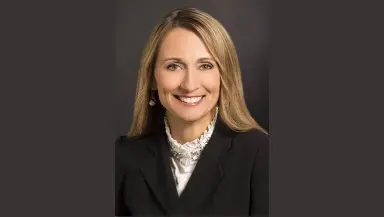
Nvidia brought forward staff salary increases and stock issuance to December in an effort to combat rising attrition following the departure of its longtime co-founder.
The sudden leadership vacuum at Nvidia has sent shockwaves through Silicon Valley and global financial markets, prompting executive action to stabilize employee morale. Interim chief executive Colette Kress announced the accelerated compensation schedule during a company-wide crisis management meeting, addressing an anxious workforce as the tech giant confronts deep internal and external turmoil according to reporting by Chaincatcher. The move marks a sharp pivot from faith-driven corporate culture to direct financial reassurance as top talent weighs its future amid tumbling valuations and governance questions.
Media additions
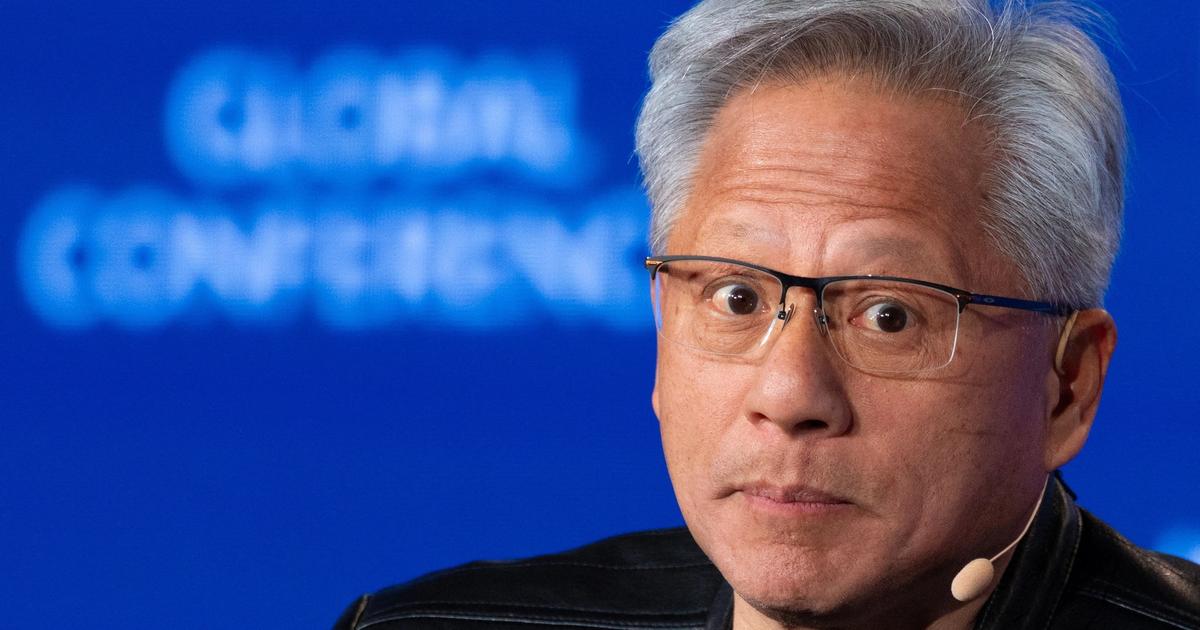
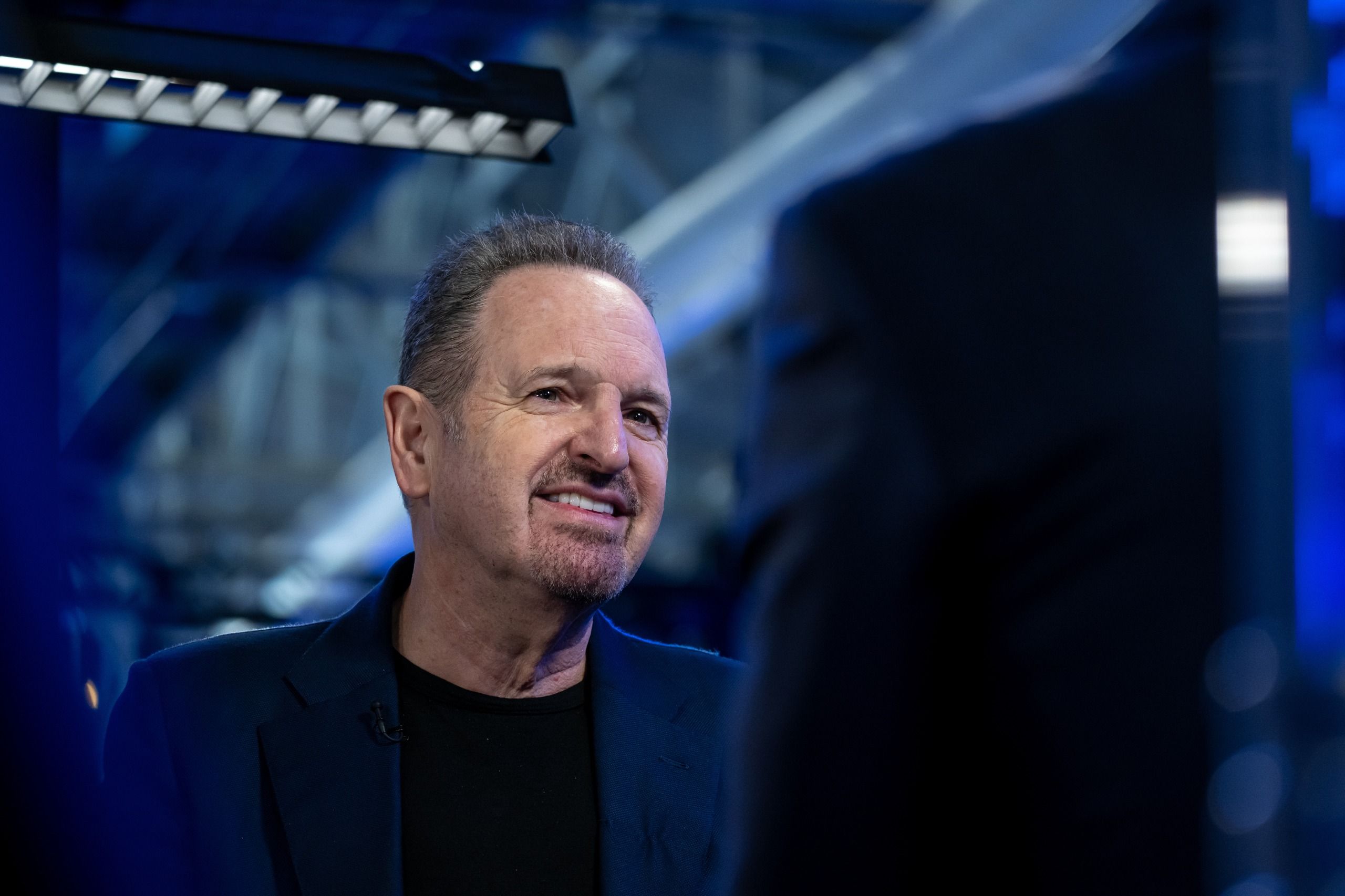
The leadership crisis erupted following the departure of co-founder Jensen Huang, who stepped down after admitting to extramarital affairs, including one involving a woman suspected of being a Chinese intelligence asset. The revelations, which followed reports of additional affairs within the firm, prompted a swift and unceremonious acceptance of his resignation by the board of directors. New board chairman Harvey Jones criticized Huang during an earnings call for a "lack of candor" and personal misconduct, shutting the door on immediate hopes of reinstatement despite widespread petitions from supporters and employees alike.
Market fallout was immediate and severe. As global exchanges reacted to the news, Nvidia's share price suffered steep declines, wiping over $1 trillion in market value from its peak as noted by Chaincatcher and The Telegraph. Major investment firms downgraded their forecasts, while the turmoil spilled over into broader artificial intelligence and data center stocks. Despite delivering a dominating third-quarter earnings report featuring massive revenue growth and soaring data center performance, the company's fundamental strength was overshadowed by executive instability and uncertainty regarding future strategic direction.
Inside the organization, employee anxiety crystallized around financial compensation. Among hundreds of questions submitted prior to the company's internal meeting, concerns regarding salary calculations and asset values dominated the agenda as employee stock awards took a direct hit from the market correction. To lock in restless resumes and calm restless engineers, Kress—who has served as chief financial officer and was appointed interim leader—prioritized immediate cash and equity solutions. Co-founder Chris Malachowsky also addressed staff during the meeting, urging solidarity, while Kress leaned on financial readiness to reassure nearly 50,000 workers.
Concurrently, the board's search for a permanent successor has opened a complex recruitment process. Executive search firm Heidrick & Struggles was appointed to oversee the leadership transition and has approached external candidates, notably Arm Holdings chief executive Rene Haas according to reporting by Yahoo Finance and Tom's Hardware. Haas, who previously spent years at Nvidia managing computing products before taking the helm at the British chip designer, brings extensive public semiconductor leadership experience. However, sources close to the deliberations indicate that Haas has expressed caution regarding the optics of parachuting into the role while internal factions campaign vigorously for Huang's return.
Internal candidates have also emerged in the succession debate. Veterans such as Ian Buck, who spearheaded the development of the CUDA software platform, and co-founder Chris Malachowsky have been cited by market analysts as potential choices capable of protecting the firm's core technical edge. Meanwhile, alternative external figures including Marvell chief Matt Murphy and various technology executives have surfaced in industry discussions, though organizational bottlenecks and ongoing corporate commitments complicate potential transitions.
| Executive / Candidate | Current Role | Proposed / Interim Role | Key Considerations |
|---|---|---|---|
| Colette Kress | Chief Financial Officer | Interim Chief Executive Officer | Brought forward salary increases and equity issuance to December; trusted market voice with financial background. |
| Rene Haas | Chief Executive Officer, Arm Holdings | Potential Successor (Approached) | Former Nvidia VP with public semiconductor experience; navigating optics concerns amid employee loyalty to Huang. |
| Ian Buck | Head of High-Performance Computing | Potential Internal Successor | Pioneered GPU acceleration and CUDA platform; strong technical credentials but faces scrutiny on commercial diplomacy. |
| Matt Murphy | Chief Executive Officer, Marvell | Potential Successor (Considered) | Evaluated by board search, though currently managing a major corporate merger with Lumentum. |
The board remains split on the path forward, with a small faction of directors actively advocating for Huang's reinstatement despite official pronouncements that the decision is final. As the search for a permanent leader continues, further updates on corporate governance and executive appointments are expected in coming weeks.