Energy bills set to soar as Ofgem predicted to raise price cap by 26% from January
Households face mounting financial pressure as Cornwall Insight predicts Ofgem will raise the energy price cap by 26%, pushing typical annual bills to £2,166.

Domestic energy bills are on course for a steep rise as households brace for the upcoming winter, with industry projections pointing to severe pressure on household budgets.
According to primary reporting and analysis from The Independent, a typical household's dual-fuel bill is predicted to jump significantly in the new year. As detailed in further Bbc reporting, analysts at consultancy Cornwall Insight have projected that energy regulator Ofgem will raise its price cap by 26 per cent. This increase would push the typical annual bill to £2,166, adding about £37 a month for a standard household paying by direct debit from January to the end of March.
Media additions
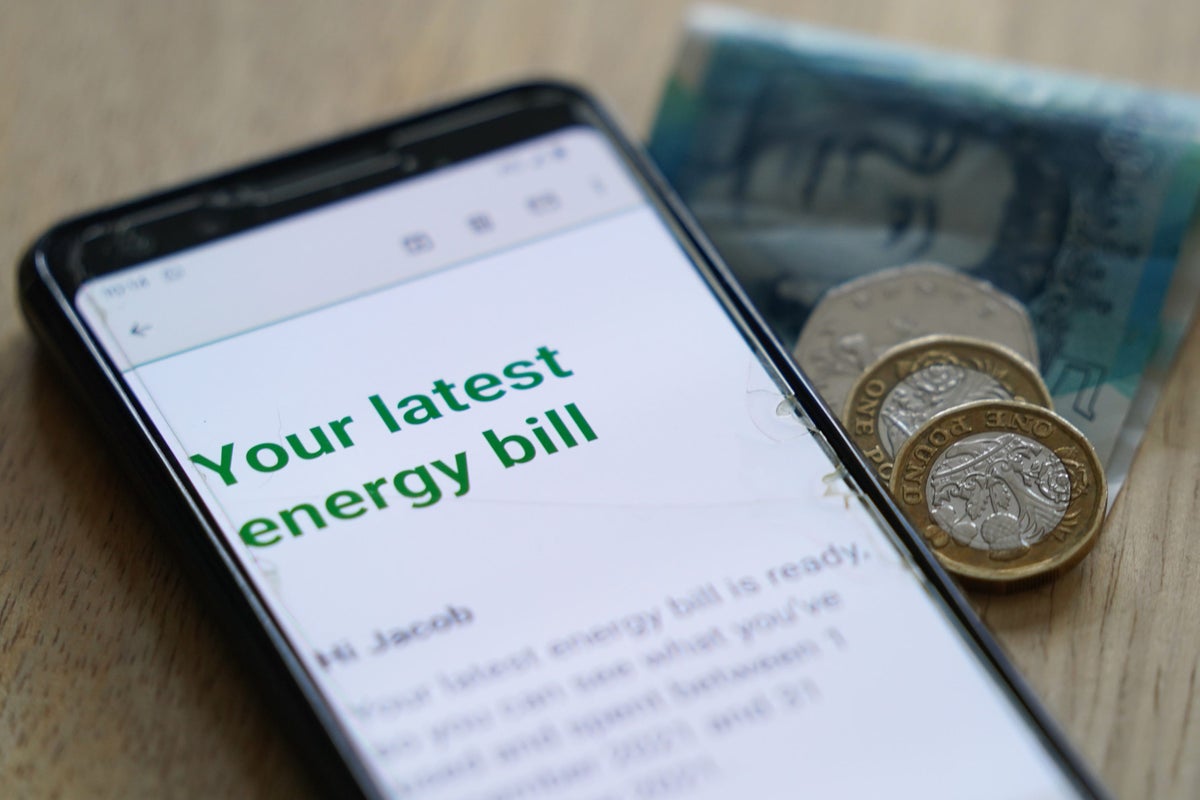


Drivers of the Price Surge
The primary catalyst behind the rising caps is volatility in wholesale gas markets. Conflict in the Middle East has restricted international supplies and strained European storage levels ahead of the coldest months of the year, forcing suppliers to purchase energy in advance at elevated rates. According to trade body Energy UK, average gas prices sit substantially higher than late last year before the conflict began.
This upward pressure compounds earlier increases seen throughout the year. As reported by The Telegraph, customer dissatisfaction has climbed concurrently, with the Energy Ombudsman noting rising volumes of billing disputes and consumer complaints as household finances remain constrained.
Financial Strain and Consumer Debt
Charities and industry leaders have voiced acute alarm regarding the ability of consumers to absorb further costs. Citizens Advice warned that millions enter the winter months with depleted budgets following years of compounding economic pressures. Meanwhile, energy debt levels across the UK continue to mount.
British Gas owner Centrica expressed severe concern over rising unpaid energy bills, noting that total household energy debt is projected to climb toward £7bn. Trade calculations indicate that a portion of every typical bill directly subsidises this accumulating debt burden.
| Forecast Source / Outlet | Projected Increase | Estimated New Cap / Annual Bill |
|---|---|---|
| Cornwall Insight (via BBC / The Independent) | 26% rise | £2,166 per year |
Government Support Measures
In response to the mounting crisis, the government has introduced targeted interventions. Households are set to receive a £100 payment intended to help cover winter heating costs, deployed automatically to eligible properties in council tax bands A to D. Additionally, an ongoing temporary VAT cut on electricity remains in place, alongside the Warm Home Discount scheme, which provides a £150 reduction for qualifying low-income households.
However, anti-fuel poverty campaigners have criticised these measures as inadequate against the scale of the price hike. Simon Francis, coordinator of the End Fuel Poverty Coalition, stated via Yahoo Finance UK that the support leaves millions facing cold homes and impossible choices between heating and eating.
"Households are set to pay more for gas than ever before with changes coming in the depths of winter. For millions of people that equals cold homes, mounting debt and having to make impossible choices."
Simon Francis, Coordinator, End Fuel Poverty Coalition, via The Independent
Wider Economic Impact
Economists and researchers warn that soaring utility expenses will suppress consumer spending across other retail and service sectors, generating a broader knock-on effect on the national economy. Prepayment meter users are viewed as particularly vulnerable, as emergency top-ups risk depleting rapidly during freezing temperatures.
For related analysis on economic pressures, see our reports on typical energy bill forecasts and broader UK inflation trends, as well as ongoing updates within our Business coverage.
What to Watch Next
- Ofgem Announcement: The regulator is scheduled to formally announce the precise quarterly price cap figures.
- Winter Weather Impact: Sustained low temperatures will determine the speed at which household energy reserves and prepayment credits are consumed.
- Centrica debt warnings: Industry monitoring of mounting arrears and potential utility hardship funds.
- Future Policy Reviews: Ongoing discussions regarding the potential extension of temporary VAT reductions beyond their current expiration dates.