Oil prices surge and Nasdaq futures slide after US and Iran exchange strikes
Global financial markets face volatility as military engagement near the Strait of Hormuz drives up oil prices and creates downward pressure on equities.

- Core Development: Global financial markets face volatility as military engagement near the Strait of Hormuz drives up oil prices and creates downward pressure on equities.
- Beat Context: Categorized under Business with independent corroboration.
- Reporting Depth: 3 minute analytical read synthesized from verified newsroom sources.
Global financial markets entered a volatile period on Monday, 13 July 2026, as renewed military hostilities between the United States and Iran triggered a significant surge in oil prices and prompted a broader retreat from riskier equity assets. The escalation, centered around the strategic Strait of Hormuz, has revived investor anxieties regarding energy supply chain stability, inflation, and the future of monetary policy.
Market Response to Middle East Conflict
This upward trajectory follows a weekend of military engagement where both the United States and Iran asserted control over the Strait of Hormuz, a critical maritime passage for global energy transport. The latest figures show the market remains sensitive to regional stability; the Morningstar North American Morning Briefing noted that the recent military activity, including intercepted missiles and drone strikes on energy-linked infrastructure, has forced traders to reassess the risk premium associated with Middle Eastern crude.
Media additions
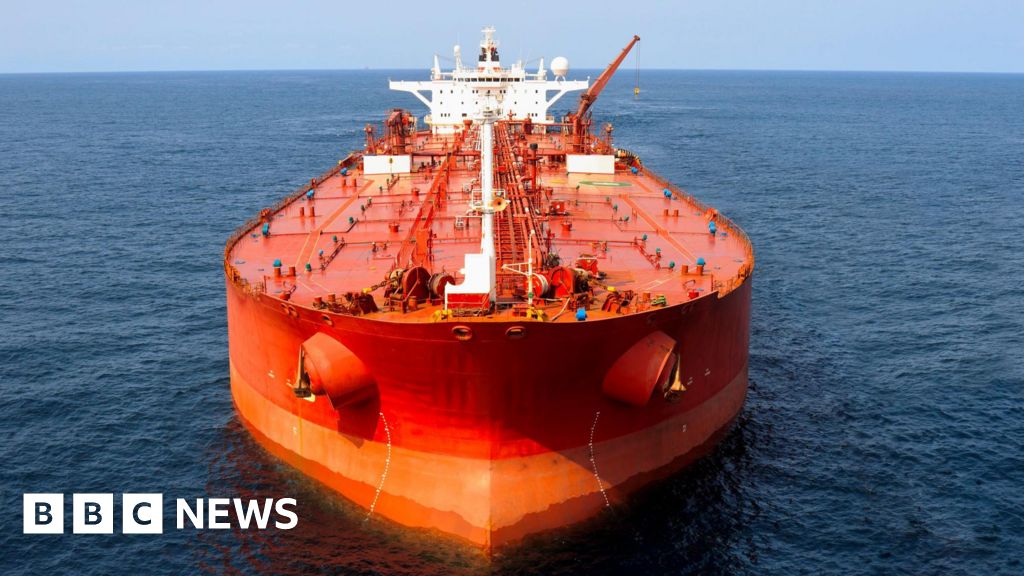
The immediate consequence for the broader market has been a shift toward safe-haven assets. Financial analysts have observed that the persistence of this conflict threatens to unwind previous gains that had brought energy prices back to pre-war levels. According to Aljazeera, the revocation of sanctions waivers on Iranian oil—transactions of which are set to halt by 17 July—has compounded the supply concerns currently weighing on the energy sector.
Technology and AI Sector Turbulence
While energy markets reacted to geopolitical stress, the equities market faced compounding pressure from the technology sector. The Finance section reported that chipmaker Micron Technology fell 4.1%, continuing a challenging trend for companies that had seen massive valuations earlier in the year. The sell-off was particularly pronounced in Asia, where the South Korean Kospi index dropped 8.9%, driven by a 15.4% plunge in shares of SK Hynix.
Market observers suggest that the recent dip in AI-related stocks reflects a broader debate regarding whether the high expectations for AI-driven productivity can be sustained. As companies prepare to release quarterly earnings this week, including major financial institutions like JPMorgan Chase and Goldman Sachs, investors are scrutinizing whether current market valuations are supported by actual revenue growth. The current outlook suggests that markets will remain sensitive to any news regarding both regional military containment and U.S. Domestic economic data.
What to Watch Next
- Economic Data: Investors are monitoring U.S. Inflation figures scheduled for release on Tuesday. These data points are expected to influence the Federal Reserve's stance on potential interest rate hikes later this year.
- Sanctions Deadline: The final cessation of transactions involving Iranian oil under the revoked waiver is slated for 17 July, which analysts expect will cause further fluctuations in energy markets.
- Corporate Earnings: A series of major bank earnings reports is set to provide a barometer for the health of the U.S. Consumer and corporate sector, offering a counterbalance to the geopolitical fears dominating the headlines.
The BBC highlights that while current Brent prices remain below the peaks of 2022, the persistence of the conflict could necessitate a permanent shift in how energy-importing nations source their requirements, potentially keeping inflation in the spotlight for the remainder of the year.
How significant is this development?
Contribute your assessment to the aggregated reader sentiment ledger.
Frequently Asked Questions
Key questions answered in this reportWhat is the key development in: Oil prices surge and Nasdaq futures slide after US and Iran exchange strikes?
Global financial markets face volatility as military engagement near the Strait of Hormuz drives up oil prices and creates downward pressure on equities.
Why is this Business development significant for the UK?
This report covers critical events in our Business beat. Independent reporting monitors related UK statements, regulatory shifts, and public responses as further verified details emerge.
How was this reporting corroborated and verified?
Newsarchy UK compiles and cross-references reporting from primary reporting from morningstar.com and cross-checked wire reports. All coverage adheres to published editorial standards.
When was this report published?
This briefing was published on July 13, 2026 and is permanently cataloged in the Newsarchy UK Business archives.