Oil prices soar over 4% to 16-week high after Saudi strikes
Crude oil prices surged over 4% to reach a 16-week high following military strikes on Saudi energy infrastructure and escalating vessel attacks in the Middle East.
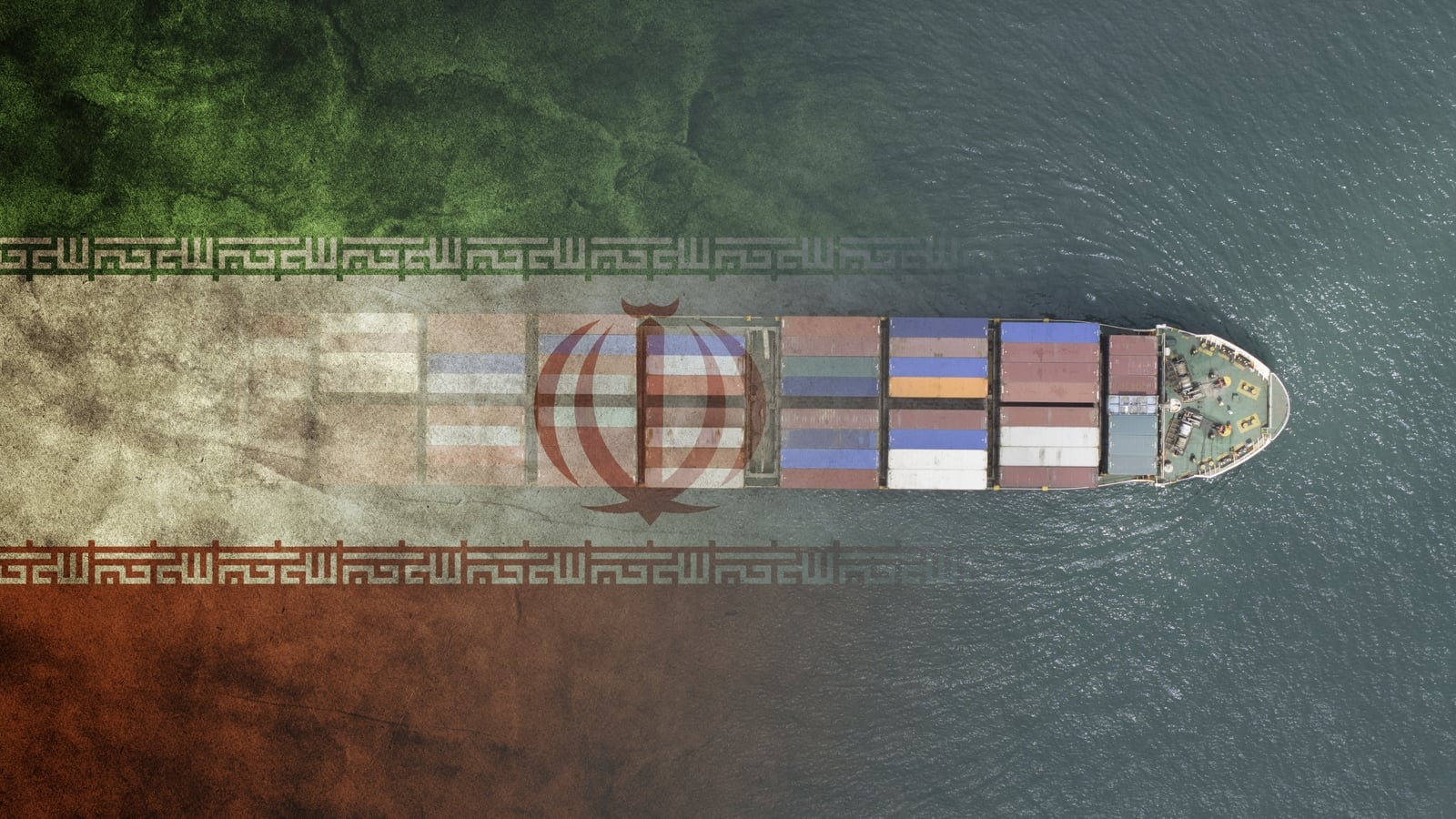
Global crude oil prices climbed sharply on Monday, 14 September 2026, jumping over 4% to reach a 16-week high following fresh military strikes on energy infrastructure in Saudi Arabia and escalating vessel attacks across the Middle East. The disruption compounds persistent global supply fears, driving international benchmarks higher as maritime chokepoints face severe blockades and operational shutdowns.
The latest surge builds on a turbulent period for energy markets, detailed further in our Business coverage and previous reporting on oil prices passing $100 amid intensified Middle East hostilities. According to data reported by RTE and Yahoo Finance, Brent futures rose $4.68 to settle at $109.29 per barrel, while U.S. West Texas Intermediate crude increased $4.21 to $104.26 per barrel. This upward momentum keeps key benchmarks in technically overbought territory, tracking toward their highest closes since mid-May.
Media additions



| Crude Benchmark | Price Change | Percentage Change | New Price per Barrel |
|---|---|---|---|
| Brent Futures | +$4.68 | +4.5% | $109.29 |
| US WTI Crude | +$4.21 | +4.2% | $104.26 |
Supply concerns intensified after a drone strike shut down Saudi Arabia's East-West Pipeline. The pipeline is critical for allowing the kingdom to bypass the Strait of Hormuz by re-routing shipments directly to the Red Sea. With the line out of service, the Red Sea port of Yanbu is forced to rely on local storage facilities. Industry sources estimate these reserves can cover only five to seven days of exports. The relatively contained price reaction suggests the market still expects Saudi inventories to cushion exports in the near term, but if the disruption extends beyond the five-to-seven-day inventory cushion, that could change quickly,
said Janiv Shah, oil markets analyst at Rystad, via Rte and Yahoo Finance.
The geopolitical friction extends across multiple strategic waterways. In the Bab el-Mandeb strait at the southern end of the Red Sea, Yemen's Iran-aligned Houthis tightened their control by reaching the island of Perim. Meanwhile, maritime security agency UKMTO reported that a vessel in the Strait of Hormuz was struck by a projectile on Sunday, triggering a fire and forcing the crew to evacuate. Iran separately reported that one person was killed and four crew members were wounded aboard an Iranian commercial vessel struck off its coast, while Tehran also issued a compliance list targeting 77 ships operating in Hormuz waters.
Hopes for diplomatic de-escalation suffered a blow when Oman's foreign minister confirmed that a scheduled meeting in Oman between Gulf countries and Iran regarding the Strait of Hormuz had been postponed. PVM analyst John Evans highlighted the broader structural deficit facing the sector.
Evans pointed to ongoing Russian refinery outages and falling global stockpiles as additional drivers maintaining pressure on fuel markets."Short of stopping both oil-price-affecting wars and curing the global refinery (capacity) problem, our fraternity is wondering where an inoculation against $120 Brent can be found,"
John Evans, PVM analyst, via RTE and Yahoo Finance
The energy shock is rippling outward into domestic fuel markets and macroeconomic indicators. U.S. Diesel futures traded near elevated levels, placing upward pressure on refining profit margins and consumer prices. Higher energy costs are simultaneously feeding into broader inflation, placing strain on global bond markets and pushing yields toward multi-year highs. Further context on regional supply vulnerabilities can be found in our analysis of Brent crude rising above $100 a barrel.
As markets navigate these compounding disruptions, analysts and traders will monitor several critical developments in the coming days:
- Whether Saudi Arabia can safely bring its East-West Pipeline back online before local storage inventories at the port of Yanbu are exhausted.
- Any rescheduling of diplomatic talks between Gulf states and Iran concerning safe passage through the Strait of Hormuz.
- Further maritime security updates from the UKMTO regarding commercial transit safety in the Red Sea and Gulf regions.
- Incoming central bank policy decisions and commentary addressing how sustained high energy prices impact global interest rate trajectories and inflation forecasts.