Brent crude oil rises above $100 a barrel as Iran conflict intensifies
Brent crude futures surpassed $100 a barrel as escalating military clashes between the U.S. and Iran severely disrupted Gulf shipping lanes.
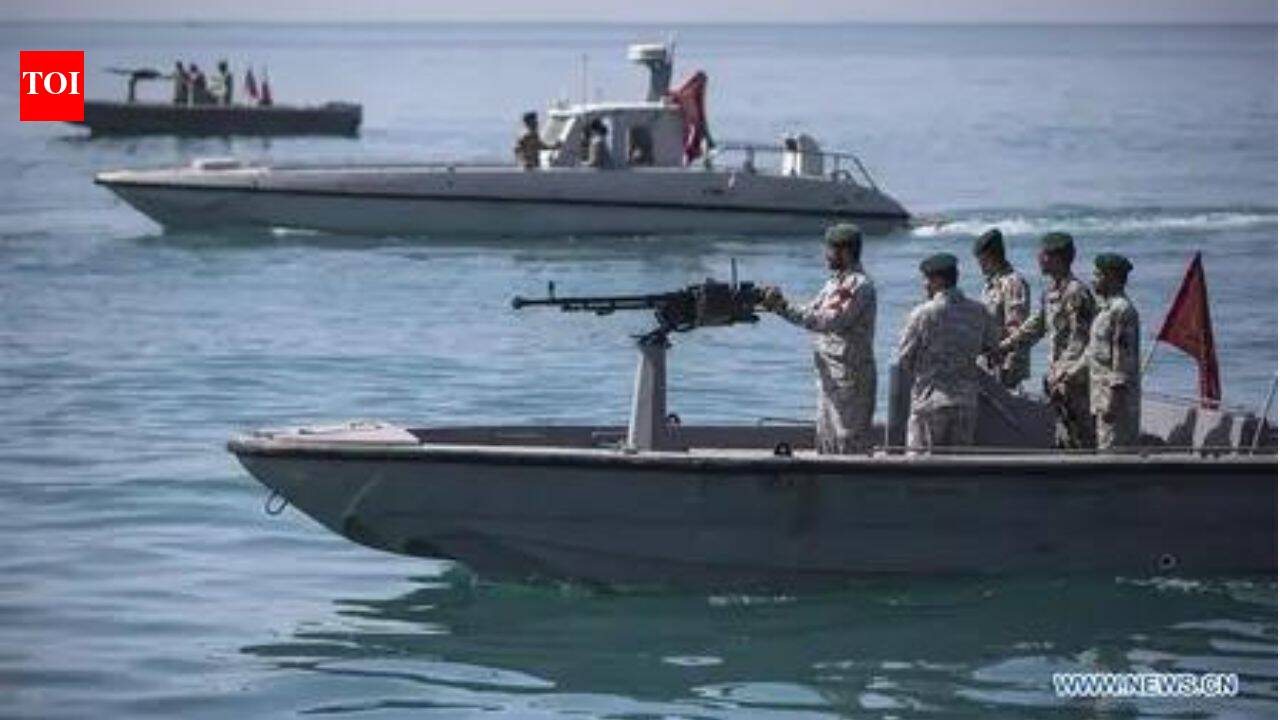
Brent crude futures surged past the $100‑a‑barrel mark on Wednesday, a level not seen since late July, as the U.S.–Iran confrontation entered a new phase of intensity. The jump came after a string of retaliatory strikes on oil tankers and the widening of Iran’s maritime exclusion zone, tightening the flow of Middle‑East crude through the Strait of Hormuz and raising doubts that supply will ease in the near term.
For six months, the conflict that began on 28 February had kept a lid on Gulf crude flows. The war’s lull in late May and early June had allowed shipping volumes to climb, but the latest exchange of blows—U.S. Forces striking five Iranian oil tankers and Iran retaliating by attacking 10 ships near the Hormuz Strait—has shifted market expectations. According to USA Today, the front‑month Brent contract rose $3.04 to $100.95, its highest level since early June.
Media additions

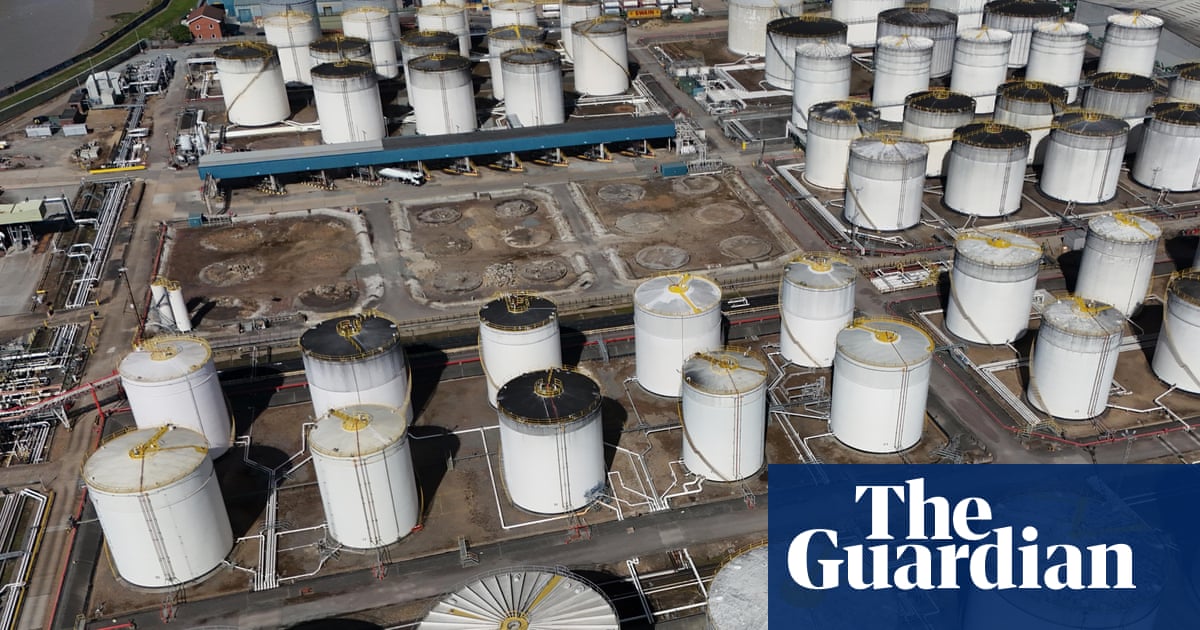
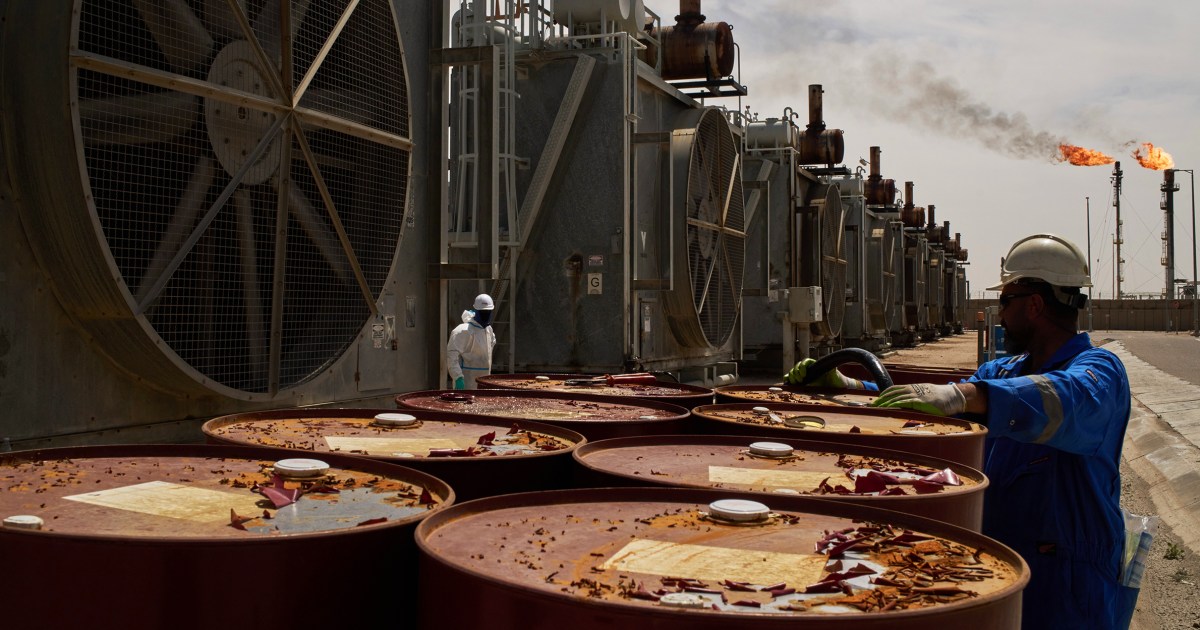
Oil analysts note that the price climb reflects a growing belief that the Middle‑East crisis will continue to constrain supply. Theprint cites Ole Hansen, head of commodity strategy at Saxo Bank, who said the move “is reflecting a market that increasingly has to change its view on how long the Middle East crisis will continue to curb supply from the region.” Similar sentiment is echoed by Hamad Hussain of Capital Economics, who warned that the “key risk is whether the recent attacks on oil tankers lead to fewer ship‑to‑ship transfers taking place in the Gulf of Oman.”
Shipping data back up the perception of tighter flows. In the week before the fighting resumed on 30 August, roughly 8 million to 9 million barrels per day passed through the Hormuz Strait, double the previous week’s volume, according to Rystad Energy chief economist Claudio Galimberti. More recently, Times of India reports that flows have fallen below 2 million barrels per day, with only six commodity vessels transiting the strait on a recent day versus a 10‑day average of about 12.
Iran’s expansion of a maritime restricted zone into the Gulf of Oman and parts of the Arabian Sea further complicates the picture. The Revolutionary Guard’s announcement, made on the evening of 9 September, stated that the zone would cover areas starting from the direction of Chabahar and extend into the Gulf of Oman. The move, reported by Times of India, is designed to deter vessels that do not coordinate with Iranian authorities.
The escalation is not limited to the Gulf. Iran‑backed Houthi rebels have intensified attacks on Saudi energy facilities, setting installations ablaze and threatening the Red Sea route that Saudi Arabia and other Gulf states use as an alternative to the Hormuz Strait. ThePrint notes that the Houthi attacks “threaten crude shipments via the Red Sea, which has been a key alternative route to the crucial Strait of Hormuz.” The Houthis’ focus on Saudi oil sites has raised concerns that the conflict could spread beyond Iranian supply disruptions.
In the United States, the market reaction has been swift. The Dow Jones Industrial Average fell 320 points, the S&P 500 dropped 0.3 %, and the Nasdaq composite slipped 0.5 % on Wednesday. The Economic Times attributes the slide to the 3 % jump in Brent, noting that technology and semiconductor stocks are particularly sensitive to changes in Treasury yields and oil prices. The market also kept an eye on the upcoming launch of Apple’s iPhone 18 Pro, which has added a level of uncertainty to the broader equity landscape.
Fuel markets have felt the pressure as well. In the United States, gasoline prices averaged $4.22 per gallon and diesel hovered near $6 per gallon, a level that has been sustained for most of the year. USA Today reports that the refining crunch, driven by reduced throughput from the Hormuz Strait and Russian supply disruptions, has kept fuel prices high. In Europe, diesel futures approached $200 per barrel, and refining margins have reached all‑time highs since August, according to ThePrint.
Geopolitical statements from both sides add another layer of complexity. President Trump, speaking in Texas, said the war would end immediately after the midterm elections, adding that “they’re desperate to try and affect the election.” He also said the United States is not looking to negotiate with Iran in the near future. CBS News reports that Trump made the remarks before heading to Texas. Iran’s IRGC spokesman, Brigadier General Hossein Mohebi, announced that Iran would hit 20 targets for every two or three U.S. Strikes, and that the country would only consider ending the war if the U.S. Withdrew forces from Lebanon, lifted the blockade of Yemen, released frozen assets and ceased interference in Iran’s nuclear and missile programmes. These statements, recorded on state television and in official releases, underscore the hard‑line stance on both sides.
The United Nations has also become involved. The International Atomic Energy Agency’s board of governors voted to refer Iran to the Security Council over its nuclear “non‑compliance.” The resolution, adopted by 23 votes in favour, three against and eight abstentions, was reported by Times of India as the first time in 20 years that Iran has been referred to the Security Council on this matter.
Shipping agencies have documented the ongoing danger. The UK Maritime Trade Operations centre reported disabling fire on several merchant vessels in the northern Gulf and Gulf of Oman. A separate incident involved the Gibraltar‑flagged oil products tanker Hercules Star, where a crew member was killed while the vessel was at anchorage off Dubai, according to Times of India.
| Metric | Brent Futures (USD) | West Texas Intermediate (USD) |
|---|---|---|
| Price at 1:39 p.m. EDT | 100.95 | 95.78 |
| Price at 13:15 GMT | 100.66 | 95.77 |
Shipping volumes through the Strait of Hormuz have fallen sharply. ThePrint cites preliminary Kpler data showing six commodity vessels transiting the strait on a recent day, down from nine the day before and below the 10‑day average of about 12. In the week before the fighting resumed on 30 August, roughly 8 million to 9 million barrels per day had flowed through the strait; recent reports indicate flows have fallen below 2 million barrels per day.
Timeline of Key Events Since the War’s Start (28 Feb 2026)
- 28 Feb – War begins after Iran’s missile attack on a U.S. Warship in the Gulf of Oman.
- 30 Apr – Brent peaks at 126.41 USD.
- 30 Aug – Fighting resumes; U.S. Sinks five Iranian tankers; Iran attacks 10 ships near Hormuz.
- 9 Sep – Brent futures breach 100 USD; IRGC expands maritime restricted zone into Gulf of Oman; Houthi attacks on Saudi energy facilities.
What to watch next:
- Potential further U.S. Strikes on Iranian shipping and the response from the IRGC.
- Possible expansion of the Iranian maritime exclusion zone, which could close the Red Sea as an alternative route.
- Fluctuations in shipping volumes through the Strait of Hormuz and the Bab el‑Mandeb, which will influence oil prices.
- Developments in U.S. Domestic markets, especially technology and semiconductor stocks that are sensitive to Treasury yields and oil price swings.
- Any diplomatic moves by the United Nations or individual states that could alter the conflict’s trajectory.
The next few days will be pivotal. If the U.S. And Iran continue to exchange retaliatory attacks, the market will likely keep Brent above the $100 threshold, keeping fuel prices high and pressuring global supply chains. In the absence of a de‑escalation, the conflict could further tighten shipping lanes, driving up insurance premiums and broadening the impact on the world economy.