Oil prices surge as US-Iran strikes intensify, raising fears over Hormuz shipping
Global energy markets are experiencing increased volatility as military escalations between the U.S. and Iran threaten maritime trade in the Strait of Hormuz.
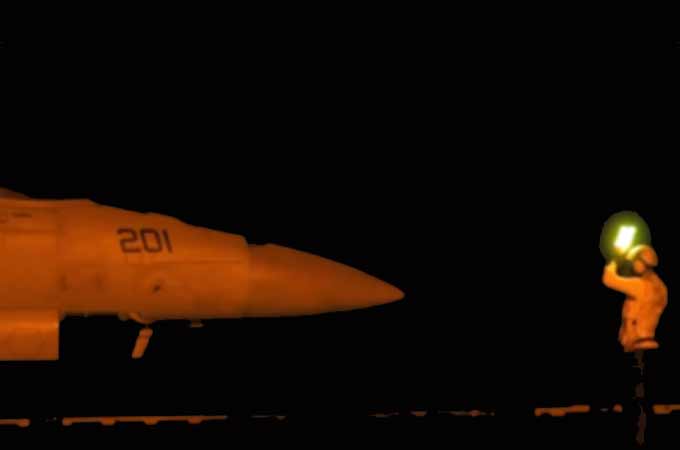
- Core Development: Global energy markets are experiencing increased volatility as military escalations between the U.S. and Iran threaten maritime trade in the Strait of Hormuz.
- Beat Context: Categorized under Business with independent corroboration.
- Reporting Depth: 3 minute analytical read synthesized from verified newsroom sources.
Global energy markets faced a sharp escalation in volatility on Monday, 13 July 2026, as renewed military hostilities between the United States and Iran shuttered hopes of a near-term diplomatic resolution. The surge in oil prices followed a weekend of intensified exchanges, with both nations targeting military assets across the Gulf and issuing contradictory directives regarding the navigability of the Strait of Hormuz.
Brent crude futures climbed 4.08 percent to $79.11 per barrel, while West Texas Intermediate (WTI) rose 4.11 percent to $74.36 a barrel during early Asian trading. According to ING commodities strategists Warren Patterson and Ewa Manthey, the intensification of the conflict has already caused a noticeable slowdown in maritime traffic through the chokepoint, forcing investors to re-examine the potential for supply tightness throughout the third quarter.
The military engagement intensified significantly over the weekend. According to U.S. Central Command, American forces conducted a second consecutive night of precision strikes on 12 July 2026, targeting dozens of Iranian military installations. In retaliation, the Islamic Revolutionary Guard Corps claimed responsibility for launching missile and drone attacks against U.S. Military bases in Bahrain, Kuwait, Qatar, and the United Arab Emirates.
A primary point of friction remains the status of the Strait of Hormuz. Iranian state media declared the vital maritime corridor closed to commercial traffic. Conversely, the U.S. Military maintained a firm stance.
The U.S. Also dismissed Iranian warnings regarding the use of alternative coastal routes near Oman, asserting that the area remains open for international shipping."The Strait of Hormuz is a vital maritime corridor for global trade. Iran does not control it,"
U.S. Central Command, via Gdnonline
The geopolitical uncertainty has permeated wider financial markets. While oil prices climbed, equity markets in Asia reacted with decline, as traders began pricing in the potential for a protracted disruption to energy logistics. Safe-haven demand pushed the U.S. Dollar higher, contributing to a drop in gold prices, which fell more than 1 percent on Monday.
Market and Geopolitical Indicators
- Oil Benchmarks: Brent surged over 4% to top $79; WTI climbed to $74.36.
- Regional Impact: Iran claims the Strait of Hormuz is closed, affecting transit for vessels; the U.S. Denies the claim and insists on freedom of navigation.
- Broadened Engagement: Reported strikes expanded beyond direct U.S.-Iran targets to include facilities in Bahrain, Kuwait, Qatar, and the United Arab Emirates.
- Diplomatic Status: Negotiations held in Oman appear stalled, with Iranian officials accusing the U.S. Of undermining potential agreements.
Despite the sharp uptick in energy costs, market observers noted that the current pricing environment remains significantly lower than the peaks observed earlier in the year. Analysts at ANZ suggested that the market has not yet fully factored in a prolonged, large-scale supply shock, partly due to persistent public statements from President Donald Trump emphasizing the American commitment to maintaining the flow of global energy, according to reporting by Oilprice.
As the situation develops, market participants are looking toward upcoming economic disclosures for further guidance on inflation and interest rate trajectories. Investors are closely monitoring U.S. Consumer and producer price indices, alongside upcoming testimony from Federal Reserve Chair Kevin Warsh, which may influence central bank policy in light of the energy-driven inflation risks.
Looking ahead, the tension is expected to remain high as the U.S. And Iran trade conflicting narratives over the status of Gulf transit. While Tehran’s negotiators have struck a defiant tone, declaring the end of "one-sided deals," Washington continues to prepare for the maintenance of regional shipping lanes.
How significant is this development?
Contribute your assessment to the aggregated reader sentiment ledger.
Frequently Asked Questions
Key questions answered in this reportWhat is the key development in: Oil prices surge as US-Iran strikes intensify, raising fears over Hormuz shipping?
Global energy markets are experiencing increased volatility as military escalations between the U.S. and Iran threaten maritime trade in the Strait of Hormuz.
Why is this Business development significant for the UK?
This report covers critical events in our Business beat. Independent reporting monitors related UK statements, regulatory shifts, and public responses as further verified details emerge.
How was this reporting corroborated and verified?
Newsarchy UK compiles and cross-references reporting from primary reporting from econotimes.com and cross-checked wire reports. All coverage adheres to published editorial standards.
When was this report published?
This briefing was published on July 13, 2026 and is permanently cataloged in the Newsarchy UK Business archives.