Oil prices surge 5 percent as US and Iran clash over Strait of Hormuz
Oil prices spiked following the collapse of a ceasefire and intensified military strikes between the U.S. and Iran. Tehran has declared the Strait of Hormuz closed to traffic amid this escalating conflict.

- Core Development: Oil prices spiked following the collapse of a ceasefire and intensified military strikes between the U.S. and Iran. Tehran has declared the Strait of Hormuz closed to traffic amid this escalating conflict.
- Beat Context: Categorized under World with independent corroboration.
- Reporting Depth: 3 minute analytical read synthesized from verified newsroom sources.
Oil prices surged on Monday, 13 July 2026, as renewed military hostilities between the United States and Iran cast a shadow over the future of the Strait of Hormuz. As of 0550GMT, the international benchmark for crude oil climbed to approximately $80 per barrel, reversing recent downward trends as markets processed the collapse of a fragile interim ceasefire.
The latest escalation, which began this past weekend, involves a cycle of strikes and counter-strikes stretching across the Middle East. The conflict intensified after Iran’s Islamic Revolutionary Guard Corps (IRGC) attacked the Cyprus-flagged container ship M/V GFS Galaxy in the Strait of Hormuz. According to U.S. Central Command (CENTCOM), the Iranian action inflicted significant engine room damage and ignited a fire, forcing the crew to abandon the vessel. One civilian crew member remains missing.
Media additions
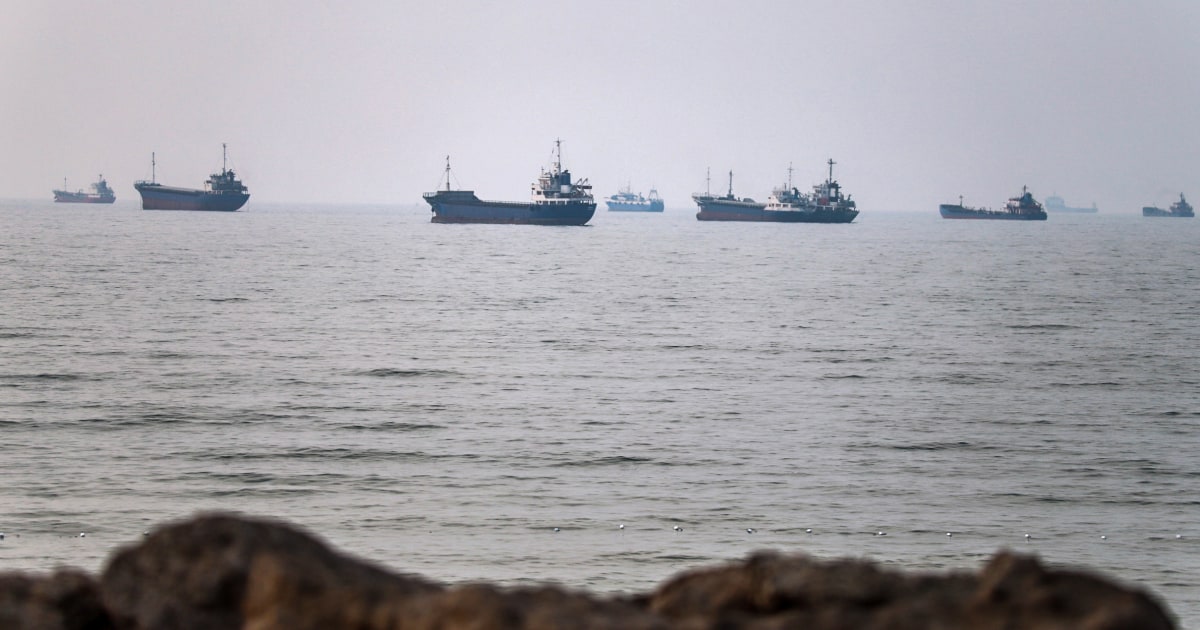

Tehran declared the strait, a critical global energy chokepoint, closed to all traffic "until further notice," citing what it termed "unlawful interference" by foreign powers. U.S. President Donald Trump, speaking on NBC’s "Meet the Press," dismissed the closure. "It's open. We bombed the hell out of them last night," the president stated. CENTCOM issued a statement asserting, "The Strait of Hormuz is a vital maritime corridor for global trade. Iran does not control it."
Chronology of the Escalation
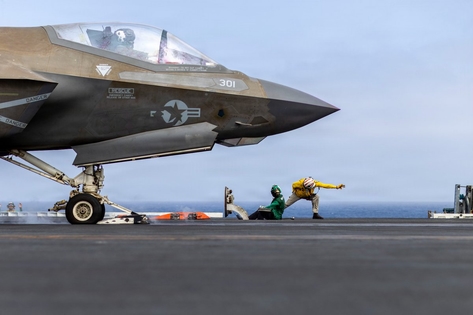
- Weekend Strikes: The U.S. Military reported launching its fourth round of strikes against Iran within a single week, targeting roughly 140 sites, including missile and drone launch facilities, ammunition dumps, and coastal radar systems.
- Regional Retaliation: Iran responded by striking targets in Kuwait, Jordan, Bahrain, Qatar, and Oman. The IRGC claimed hits on military infrastructure, including command-and-control centers and drone hangars.
The violence has severely undermined a memorandum of understanding signed on 18 June 2026, which was intended to stabilize shipping and conclude the war that began in late February. Iranian Foreign Minister Abbas Araghchi argued that the U.S. Violated this interim agreement by ending waivers on oil exports, an assertion countered by Washington’s focus on Iranian aggression. According to reports, Iran is now demanding that Washington fulfill prior commitments regarding oil exports and transit before further negotiations can proceed.
Meanwhile, the rhetoric between the two nations has reached new heights. New Iranian Supreme Leader Ayatollah Mojtaba Khamenei has pledged to avenge the death of his father, the late Ayatollah Ali Khamenei, who was killed in February. In response to threats against his own life, President Trump posted a warning online stating that "1,000 missiles" were prepared to strike should Iran act on its threats. Defence Secretary Pete Hegseth added in a social media statement, "Iran made a poor choice. Now they pay."
The United Nations has voiced deep concern regarding the trajectory of the conflict. "A return to full-scale hostilities would have catastrophic consequences," Secretary-General António Guterres said. Despite the warnings, regional intermediaries, including Pakistan and Oman, continue to push for de-escalation.
What to Watch Next
As the military exchanges continue, international observers are monitoring several critical indicators:
- Navigational Fees: France and the United Kingdom are reportedly reviewing an Omani-drafted proposal to implement non-compulsory navigational fees, a potential mechanism to formalize transit management through the strait.
- Market Stability: Analysts are tracking whether oil prices remain elevated or if commercial shipping companies find viable alternative routes that bypass the Iranian-policed coastlines.
How significant is this development?
Contribute your assessment to the aggregated reader sentiment ledger.
Frequently Asked Questions
Key questions answered in this reportWhat is the key development in: Oil prices surge 5 percent as US and Iran clash over Strait of Hormuz?
Oil prices spiked following the collapse of a ceasefire and intensified military strikes between the U.S. and Iran. Tehran has declared the Strait of Hormuz closed to traffic amid this escalating conflict.
Why is this World development significant for the UK?
This report covers critical events in our World beat. Independent reporting monitors related UK statements, regulatory shifts, and public responses as further verified details emerge.
How was this reporting corroborated and verified?
Newsarchy UK compiles and cross-references reporting from primary reporting from nbcnews.com and cross-checked wire reports. All coverage adheres to published editorial standards.
When was this report published?
This briefing was published on July 13, 2026 and is permanently cataloged in the Newsarchy UK World archives.