Andy Burnham to become Labour leader and prime minister next week
Andy Burnham is set to assume the Labour leadership and become Prime Minister following the resignation of Sir Keir Starmer. He intends to focus on reindustrialization and public control over utilities while maintaining current fiscal rules.
- Core Development: Andy Burnham is set to assume the Labour leadership and become Prime Minister following the resignation of Sir Keir Starmer. He intends to focus on reindustrialization and public control over utilities while maintaining current fiscal rules.
- Beat Context: Categorized under Politics with independent corroboration.
- Reporting Depth: 3 minute analytical read synthesized from verified newsroom sources.
Andy Burnham is set to formally assume the leadership of the Labour Party this Friday during a special conference in London. The transition follows the resignation of Sir Keir Starmer last month. Following a brief leadership process in which he emerged as the sole candidate, Mr Burnham secured the support of 369 of the party's 403 MPs and eight of the 11 affiliated trade unions. He is scheduled to officially enter 10 Downing Street as prime minister on Monday after Sir Keir formally recommends him to the King.
In his first address as leader, Mr Burnham is expected to outline a vision for a government that he promises will be "unashamedly Labour" in its priorities. He intends to argue that the nation must move toward "a new path to the one we've been on for the last 40 years". Mr Burnham will frame the 1980s as a decade of "wrong turns" during which political power was centralised and economic power was privatised. His stated focus includes reindustrialisation and increased public control over utilities such as water, with reports indicating his team has already requested plans from civil servants regarding potential nationalisation, a move estimated to cost £20bn.
Media additions
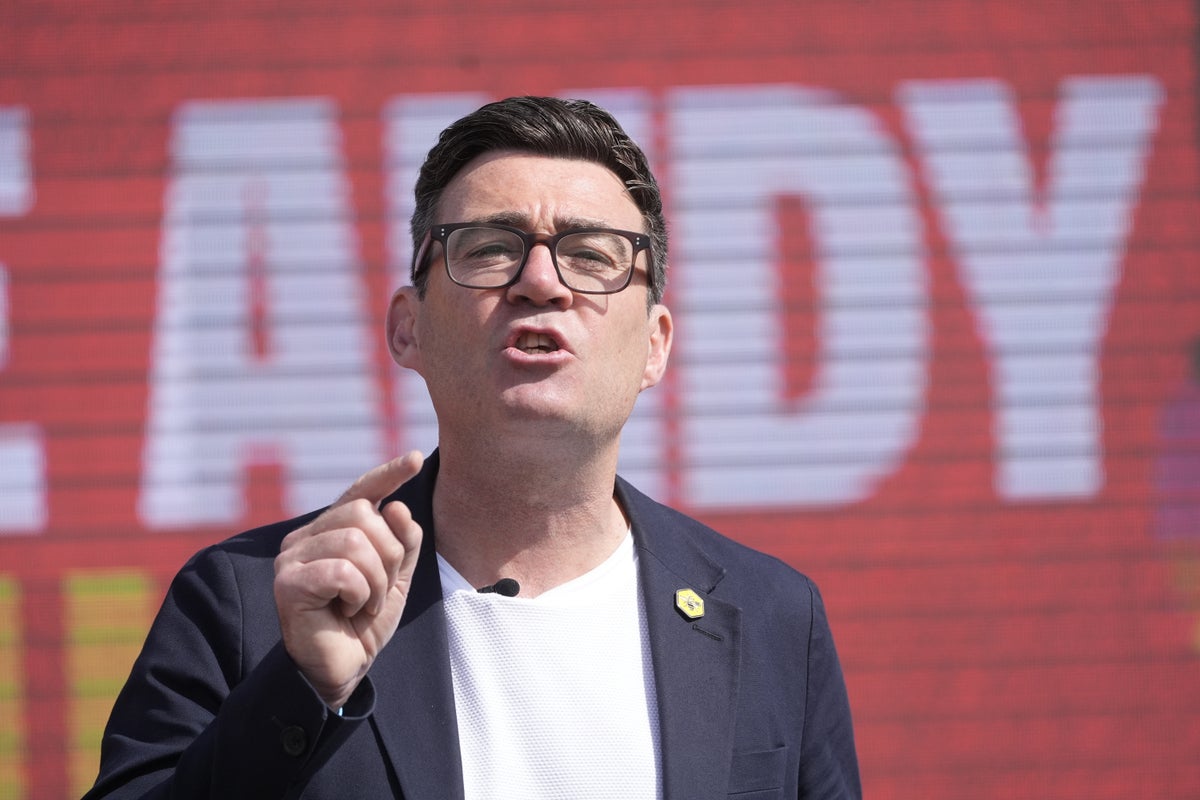
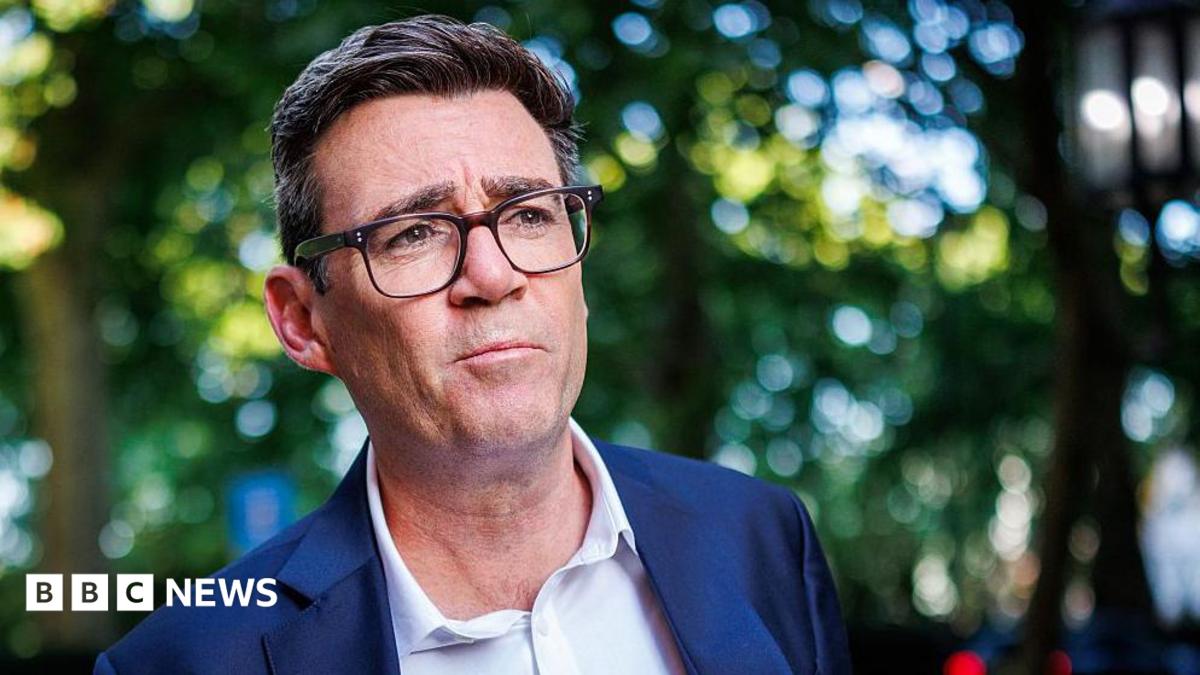
While the administration marks a change in leadership, it will retain several of Sir Keir’s former aides to ensure continuity. The incoming team, including transition director Alison Phillips and chief of staff James Purnell, faces the challenge of balancing a desire for radical reform with public perceptions of the administration as "Continuity Keir". Although Mr Burnham has pledged to return power to communities and establish a "No 10 North" presence in Manchester, he has committed to maintaining Rachel Reeves' fiscal rules and existing manifesto pledges against raising income tax, VAT, or national insurance. He has, however, declined to rule out a wealth tax.
The transition occurs as the party grapples with polling that has seen it trail Reform UK for approximately 18 months. Former prime minister Sir Tony Blair has advised the prime minister-in-waiting, stating,
. Sir Tony also cautioned against a sole focus on popularity, noting the importance of maintaining strong international relations, particularly with the United States."you are not going to be loved"
Regarding international diplomacy, Mr Burnham has suggested he will deal with the American president by "meeting him where he's at" while maintaining respect for the office and the UK-US relationship. Economic policy remains a point of scrutiny; the International Monetary Fund has cautioned the incoming government against increasing total public spending, advising instead a focus on deficit reduction rather than tax hikes. Some observers, including those within the party, have expressed concerns regarding potential cabinet appointments, with Home Secretary Shabana Mahmood frequently mentioned as a candidate for chancellor.
What to Watch Next
- Monday: Sir Keir Starmer will formally recommend Mr Burnham to the King as his successor, clearing the way for his official coronation as prime minister.
- Cabinet Appointments: Potential roles for the Cabinet remain the subject of ongoing speculation, with confirmations expected once the new administration takes office.
- Policy Announcements: The new Downing Street team is expected to address the cost of living and provide further details on potential public ownership of water utilities.
- Economic Oversight: The government faces pressure from international bodies to manage fiscal demands without raising the total tax-to-GDP ratio.
How significant is this development?
Contribute your assessment to the aggregated reader sentiment ledger.
Frequently Asked Questions
Key questions answered in this reportWhat is the key development in: Andy Burnham to become Labour leader and prime minister next week?
Andy Burnham is set to assume the Labour leadership and become Prime Minister following the resignation of Sir Keir Starmer. He intends to focus on reindustrialization and public control over utilities while maintaining current fiscal rules.
Why is this Politics development significant for the UK?
This report covers critical events in our Politics beat. Independent reporting monitors related UK statements, regulatory shifts, and public responses as further verified details emerge.
How was this reporting corroborated and verified?
Newsarchy UK compiles and cross-references reporting from primary reporting from inews.co.uk and cross-checked wire reports. All coverage adheres to published editorial standards.
When was this report published?
This briefing was published on July 17, 2026 and is permanently cataloged in the Newsarchy UK Politics archives.