Trump announces 100% tariff on generic drug imports, two‑year grace period
The U.S. will impose significant tariffs on generic drugs produced outside the country, providing a two-year window for firms to shift production stateside.
- Core Development: The U.S. will impose significant tariffs on generic drugs produced outside the country, providing a two-year window for firms to shift production stateside.
- Beat Context: Categorized under Business with independent corroboration.
- Reporting Depth: 3 minute analytical read synthesized from verified newsroom sources.
From August 2028 the United States will levy a 100 per cent duty on all generic medicines that are not produced on American soil, with the rate climbing to 200 per cent a year later. The move, unveiled by President Donald Trump in a social‑media post on 21 July, inserts a two‑year window for manufacturers to shift production stateside before the levy takes effect. Investors and patients alike are scrambling to gauge how the shock‑price will reshape supply chains, drug pricing and equity markets.
Trump framed the policy as a lever to “RESHORE Generic Pharmaceutical Production into America, with a penalty to those Companies that decide not to build Plant and Equipment within the stated period of time given to them.” The administration has already been probing the industry on “national security” grounds under Section 232 of the Trade Expansion Act, a move that began in April 2025.
Tariff timetable
While the president affirmed that his “tariff plans related to patented drugs would remain unchanged,” the generic‑drug levy is expected to hit the thin‑margin players hardest. Sandoz Group chief executive Richard Saynor warned in 2025 that the shift “was likely to make drugs more expensive and limit access for patients.”
Who will feel the sting?
The most exposed trading partner is India, the world’s largest exporter of generic medicines to the United States. Indian exports of pharmaceuticals to the U.S. Were valued at US$10.5 billion in 2024‑25, according to the country’s commerce ministry. Over 40 per cent of those shipments could be “adversely affected,” the Business Times report notes, adding that a February trade pact between the two nations includes a clause for “negotiated outcomes” on generic pharmaceuticals and ingredients.
Two Indian firms dominate the U.S. Birth‑control market: Glenmark Pharmaceuticals and Lupin, together responsible for roughly 65 per cent of prescriptions in 2024, according to a Bloomberg analysis cited in the same article. Their production facilities lie in India, making them vulnerable to the upcoming tariffs.
Market reaction in Asia and the United States
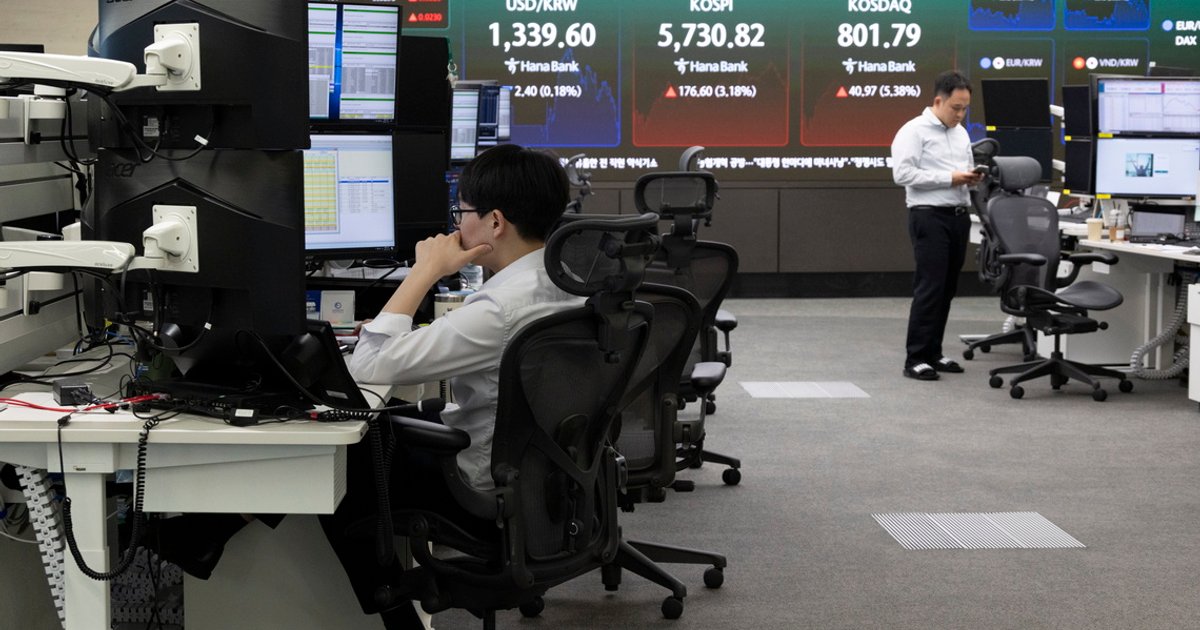
In the wake of the announcement, Asian equity markets rallied on Wednesday. The MSCI broadest Asia‑Pacific index outside Japan rose 1.2 per cent, while South Korea’s Kospi surged more than 6 per cent and Japan’s Nikkei 225 gained 1.9 per cent, according to Reuters reporting on the Aol site. The lift was driven largely by a bounce in semiconductor stocks, which had slumped after earlier geopolitical jitters.
"Equity markets shrugged off geopolitical risks, focusing instead on tech sector returns," Westpac analysts wrote in a research report.
Westpac analysts, via Reuters
The same report noted that “semiconductor stocks bounced back” after data showed Korean semiconductor exports almost tripled during the first weeks of July and Taiwanese export orders for June topped estimates. The tech rally helped offset a modest dip in the S&P 500 e‑mini futures, which edged down 0.1 per cent despite the overall U.S. Market posting a 0.9 per cent gain overnight.
Investors also turned their attention to the pharmaceutical sector, where the tariff plan was highlighted as a “focus” in the market commentary. The looming duty adds another layer of uncertainty for companies already navigating the Supreme Court’s 2026 decision that struck down earlier emergency duties, and the pending 10 per cent across‑the‑board levy due to expire on Friday.
Broader economic backdrop
The dollar index hovered near a one‑week high of 101.20, with the greenback slipping 0.1 per cent against the yen after a four‑decade peak.
Federal Reserve policy remains in focus ahead of central‑bank meetings next week. Economists in a Reuters poll expect the Fed to keep its key rate unchanged for the rest of 2026, though a “high” chance of a rate hike later in the year was noted. The market’s “coin‑toss” view on a possible 50‑basis‑point increase by year‑end was reflected in fed‑funds futures.
What to watch next
| Event | Date | Potential impact |
|---|---|---|
| U.S. Midterm elections | November 2026 | Tariff policy could become a campaign issue, influencing voter sentiment on drug affordability |
| Federal Reserve policy meeting | Next week | Interest‑rate stance will affect financing costs for companies planning new U.S. Plants |
| India‑U.S. Trade‑pact negotiations | Ongoing | Possible exemptions or favorable terms for generic pharmaceuticals could soften tariff impact |
How significant is this development?
Contribute your assessment to the aggregated reader sentiment ledger.
Frequently Asked Questions
Key questions answered in this reportWhat is the key development in: Trump announces 100% tariff on generic drug imports, two‑year grace period?
The U.S. will impose significant tariffs on generic drugs produced outside the country, providing a two-year window for firms to shift production stateside.
Why is this Business development significant for the UK?
This report covers critical events in our Business beat. Independent reporting monitors related UK statements, regulatory shifts, and public responses as further verified details emerge.
How was this reporting corroborated and verified?
Newsarchy UK compiles and cross-references reporting from primary reporting from businesstimes.com.sg and cross-checked wire reports. All coverage adheres to published editorial standards.
When was this report published?
This briefing was published on July 22, 2026 and is permanently cataloged in the Newsarchy UK Business archives.