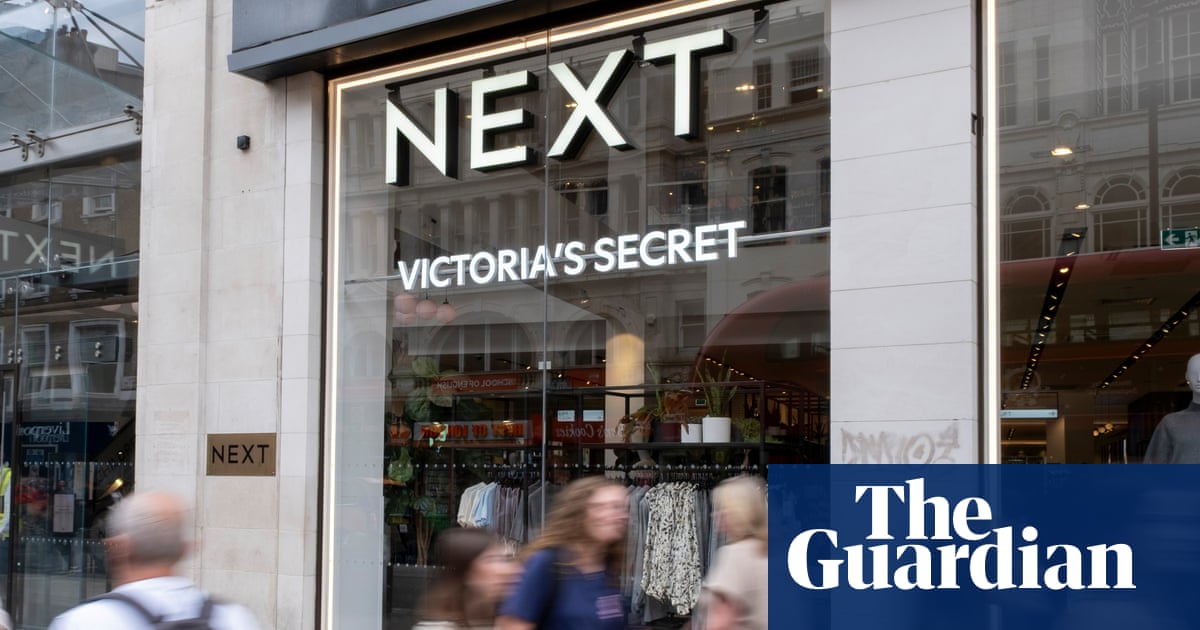
Next wins appeal overturning landmark shop worker equal pay ruling
Retailer Next successfully overturned an employment tribunal ruling that had mandated equalizing basic pay between retail and warehouse staff.
- Core Development: Retailer Next successfully overturned an employment tribunal ruling that had mandated equalizing basic pay between retail and warehouse staff.
- Beat Context: Categorized under Business with independent corroboration.
- Reporting Depth: 3 minute analytical read synthesized from verified newsroom sources.
The UK retailer Next has successfully overturned a landmark employment tribunal ruling that had previously forced the company to equalize basic pay between its retail sales assistants and its warehouse operatives, according to primary reporting from the BBC. The Employment Appeal Tribunal decided in favour of the fashion and homeware chain, concluding that the company held sound business reasons for maintaining different pay structures across its operations, as detailed by IndexBox. The legal battle originated from a claim first brought forward by retail staff, the majority of whom are female, arguing that lower hourly wages compared to a predominantly male warehouse workforce constituted discriminatory pay practices.
The original tribunal judgment delivered in Leeds had ruled in favour of thousands of claimants, initiating a multi-year legal saga that expanded as additional store workers joined the litigation. Corporate leadership at the retailer, led by Simon Wolfson, maintained throughout the proceedings that separate labour markets dictated different wage requirements. The company argued that severe recruitment and retention pressures in the warehouse sector necessitated higher market rates that simply did not apply to store-based retail roles.
Media additions


According to The Guardian, the appeal judgment endorsed the principle that employers must retain the freedom to pay necessary market rates for recruitment without facing an automatic obligation to inflate pay across entirely different parts of the business where those same pressures are absent. Corporate statements characterized the outcome as a vital common-sense victory for the broader retail economy, warning that sustaining the original ruling would have dealt a severe blow to retail employment viability across the United Kingdom.
| Metric / Detail | Retail Sales Staff | Warehouse Staff |
|---|---|---|
| Primary Gender Distribution | Predominantly female (approx. 77.5%–78%) | Predominantly male (approx. 52.8%–53%) |
| Hourly Wage Variance | Lower baseline rate | Higher hourly rate (earning between 38p and £3.13 more an hour historically) |
| Market Justification | Local store labour market conditions | Recruitment and retention pressure rates |
The legal team representing the store workers, Leigh Day, described the appeal outcome as mixed. While expressing disappointment over the reversal concerning basic pay, partner Elizabeth George emphasized that the tribunal firmly recognised that existing pay practices disadvantaged women and upheld findings related to secondary compensation terms. The appeal tribunal maintained that the retailer failed to adequately justify lower rates for night-time pay, overtime pay, and the provision of paid rest breaks. Furthermore, the issue regarding Sunday premium payments was held to require further determination and will return to the employment tribunal.
Legal counsel for the claimants confirmed an intention to appeal the adverse basic pay conclusion, signaling that the courtroom battle is far from over. Meanwhile, the BBC reports that other major supermarket and retail chains facing parallel equal pay challenges — including Tesco, Asda, Sainsbury's, and Morrisons — will be studying the findings closely to gauge potential precedents for their own ongoing litigation.
Broader economic commentary published by the Aberdeen & Grampian Chamber of Commerce places the retail ruling within a wider landscape of corporate adjustments, labour disputes, and high-profile executive movements across the UK business environment. As industries navigate shifting cost baselines, the long-term implications for wage parity models remain a central focus for both corporate boards and trade unions.
What happens next depends on the formal submission of appeals regarding basic pay by the legal representatives of the store workers, alongside the scheduled return of unresolved secondary claims, such as Sunday premium payments, to the employment tribunal for final adjudication.
How significant is this development?
Contribute your assessment to the aggregated reader sentiment ledger.
Frequently Asked Questions
Key questions answered in this reportWhat is the key development in: Next wins appeal overturning landmark shop worker equal pay ruling?
Retailer Next successfully overturned an employment tribunal ruling that had mandated equalizing basic pay between retail and warehouse staff.
Why is this Business development significant for the UK?
This report covers critical events in our Business beat. Independent reporting monitors related UK statements, regulatory shifts, and public responses as further verified details emerge.
How was this reporting corroborated and verified?
Newsarchy UK compiles and cross-references reporting from primary reporting from NBC News and cross-checked wire reports. All coverage adheres to published editorial standards.
When was this report published?
This briefing was published on September 8, 2026 and is permanently cataloged in the Newsarchy UK Business archives.