Canada enacts retaliatory tariffs against US as trade dispute escalates
Canada has enacted retaliatory tariffs ranging from 15% to 50% on American goods, sharply escalating a bilateral trade dispute following the collapse of negotiations.

- Core Development: Canada has enacted retaliatory tariffs ranging from 15% to 50% on American goods, sharply escalating a bilateral trade dispute following the collapse of negotiations.
- Beat Context: Categorized under World with independent corroboration.
- Reporting Depth: 4 minute analytical read synthesized from verified newsroom sources.
Canada’s retaliatory tariffs against American imports took effect on Tuesday, marking a sharp escalation in a deepening trade war between Washington and Ottawa according to The Guardian. The counter-measures range from 15% to 50% and target sectors including steel, dairy, appliances, agricultural equipment, pulp and paper, and electronics. The tit-for-tat economic clash follows the collapse of trade negotiations in Washington, after which U.S. President Donald Trump’s administration imposed a 50% levy on billions of dollars in Canadian goods utilizing a Depression-era statute, Section 338 of the Tariff Act of 1930. Canadian Prime Minister Mark Carney condemned the U.S. Actions, stating that Canada was attacked and forced to respond with dollar-for-dollar measures. Amid broader diplomatic friction, the intensifying economic dispute threatens to weigh on consumer prices and cloud the growth outlook across North America as reported by CNBC.
The latest rupture in bilateral trade relations stems from a breakdown in late-August talks in Washington. Carney stated that U.S. Negotiators introduced unacceptable restrictions at the eleventh hour, including demands that infringed upon Canada's trade arrangements with other nations and posed a threat to French-language protections and Quebec culture, which Carney emphasized are fundamental rights rather than mere trade irritants. Conversely, U.S. Trade Representative Jamieson Greer maintained that the administration was sensitive to cultural protections and asserted that Washington had offered proposals to cut tariffs on steel, autos, and lumber that Ottawa ultimately rejected.
Media additions

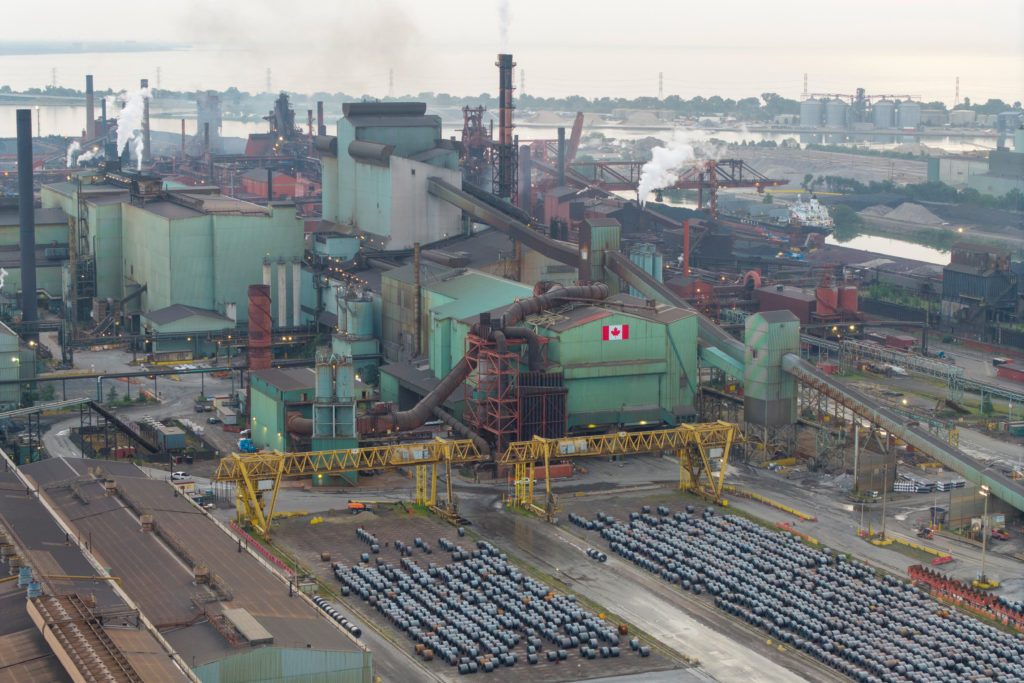
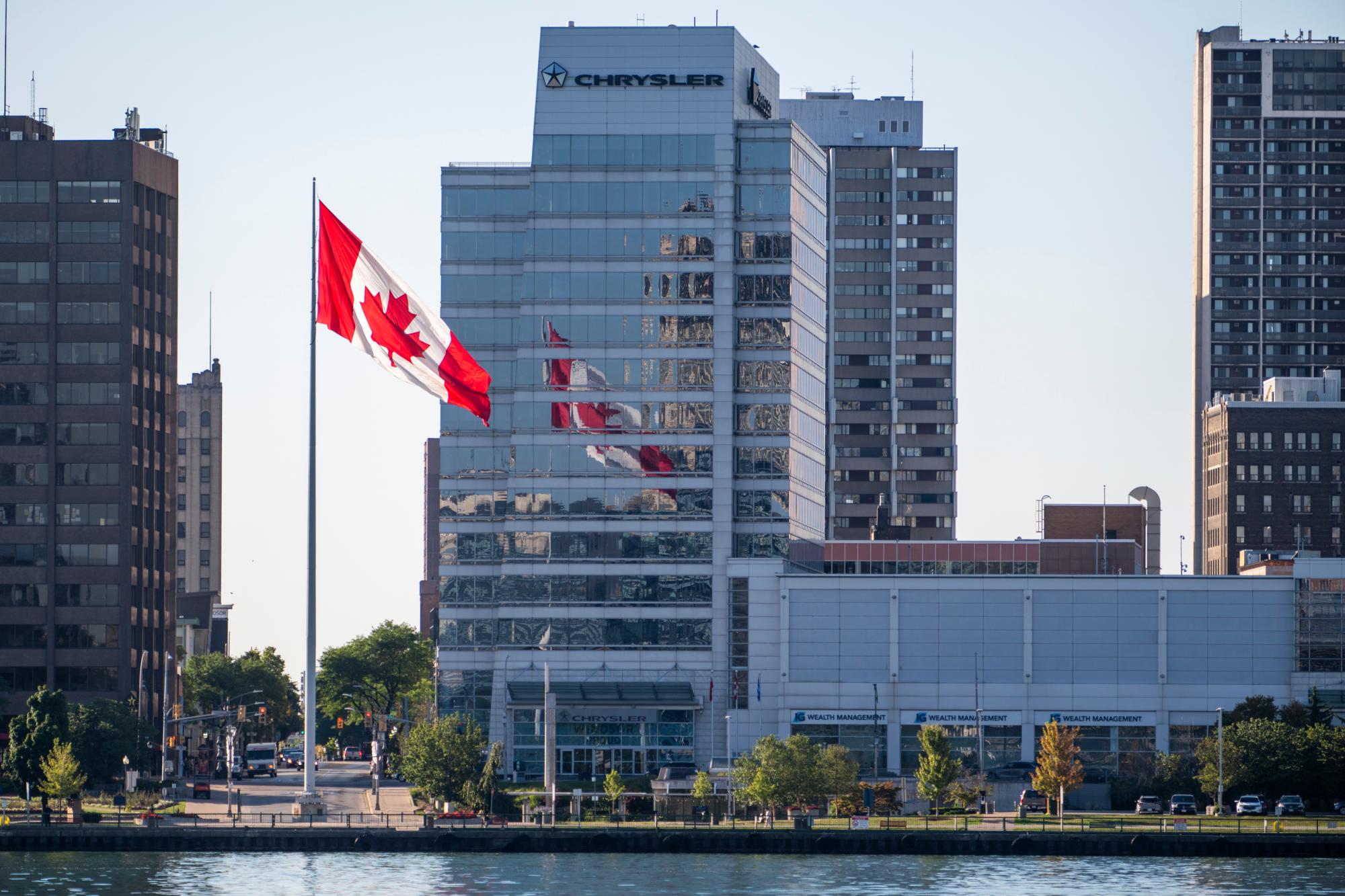
The U.S. Tariffs, which took effect on Saturday, Sept. 5, 2026 according to PBS, cover roughly 5% of Canada's annual exports to the United States. White House documents show the American levies target items ranging from dairy products, honey, and whiskey to clothing, furniture, cement, and hockey sticks. In response, Ottawa's countermeasures cover roughly 700 items spanning industrial and consumer goods. Canadian officials confirmed that the retaliatory measures exclude U.S. Goods already in transit on the day the tariffs came into force.
The escalating trade hostilities have added significant volatility to the North American economic landscape. The Bank of Canada decided to hold its key policy rate at 2.25% at its September meeting according to Reuters reporting via KFGO, as policymakers weighed stronger domestic growth against mounting inflationary risks and trade uncertainties. Analysts from Goldman Sachs and other institutions warned that the tariff friction could act as a drag on GDP growth while simultaneously boosting consumer prices. Meanwhile, experts from legal and academic fields noted that while the targeted trade volume represents a small fraction of total commerce, the downstream price effects could ripple through supply chains and impact households on both sides of the border as detailed by ABC News.
| Metric | U.S. Tariffs on Canada | Canada Retaliatory Tariffs |
|---|---|---|
| Effective Date | Saturday, Sept. 5, 2026 | Tuesday, Sept. 8, 2026 |
| Targeted Trade Volume | Approximately $20 billion | Approximately C$27.6 billion |
| Tariff Rates | 50% | 15% to 50% |
| Key Targeted Sectors | Automotive raw materials, consumer goods, agriculture, alcohol, cement | Steel, dairy, appliances, agricultural equipment, pulp and paper, electronics |
Diplomatic tensions have accompanied the economic confrontation. President Trump posted on social media threatening to block sales of Bombardier aviation products in the United States unless the Quebec-based manufacturer relocates its production south of the border noted I Meihua. Bombardier highlighted its extensive American supply chain, noting that it sustains tens of thousands of jobs across dozens of states and spends billions annually with U.S. Suppliers. Additional friction arose after Trump signed an executive order attempting to rename Lake Ontario as "Lake America," a symbolic move that Canadian leaders swiftly rejected by emphasizing the indigenous origins and centuries-long heritage of the original name.
Analysts from the Cato Institute and academic centers observed that while the dispute has galvanized public unity in Canada, it complicates the future of the United States-Mexico-Canada Agreement.
What to Watch Next
- Monitoring whether the U.S. Administration introduces additional retaliatory steps or executive actions targeting Canadian aerospace and manufacturing sectors.
- Observing upcoming legal challenges regarding the novel use of historical tariff statutes under emergency powers.
- Tracking consumer price indices and central bank monetary policy updates as the economic fallout of the retaliatory tariffs registers in domestic markets.
For ongoing updates on international commerce and diplomatic developments, consult our World coverage.
How significant is this development?
Contribute your assessment to the aggregated reader sentiment ledger.
Frequently Asked Questions
Key questions answered in this reportWhat is the key development in: Canada enacts retaliatory tariffs against US as trade dispute escalates?
Canada has enacted retaliatory tariffs ranging from 15% to 50% on American goods, sharply escalating a bilateral trade dispute following the collapse of negotiations.
Why is this World development significant for the UK?
This report covers critical events in our World beat. Independent reporting monitors related UK statements, regulatory shifts, and public responses as further verified details emerge.
How was this reporting corroborated and verified?
Newsarchy UK compiles and cross-references reporting from primary reporting from theguardian.com and cross-checked wire reports. All coverage adheres to published editorial standards.
When was this report published?
This briefing was published on September 8, 2026 and is permanently cataloged in the Newsarchy UK World archives.