Oil nears 100 dollars a barrel as Middle East attacks disrupt supply
Brent crude surged to $99.2 a barrel amid Middle East supply disruptions, while Novartis shares plummeted following a disappointing late-stage drug trial.

- Core Development: Brent crude surged to $99.2 a barrel amid Middle East supply disruptions, while Novartis shares plummeted following a disappointing late-stage drug trial.
- Beat Context: Categorized under Business with independent corroboration.
- Reporting Depth: 4 minute analytical read synthesized from verified newsroom sources.
Oil prices surged toward the hundred-dollar threshold on Tuesday, 8 September 2026, following fresh attacks on energy-sector facilities in southern Saudi Arabia that temporarily halted some operations. The disruption compounded lingering worries over Persian Gulf supplies, driving front-month Brent crude oil futures to $99.2 a barrel. Meanwhile, front-month West Texas Intermediate crude oil futures climbed to $94.5 a barrel, according to reports compiled by Morningstar.
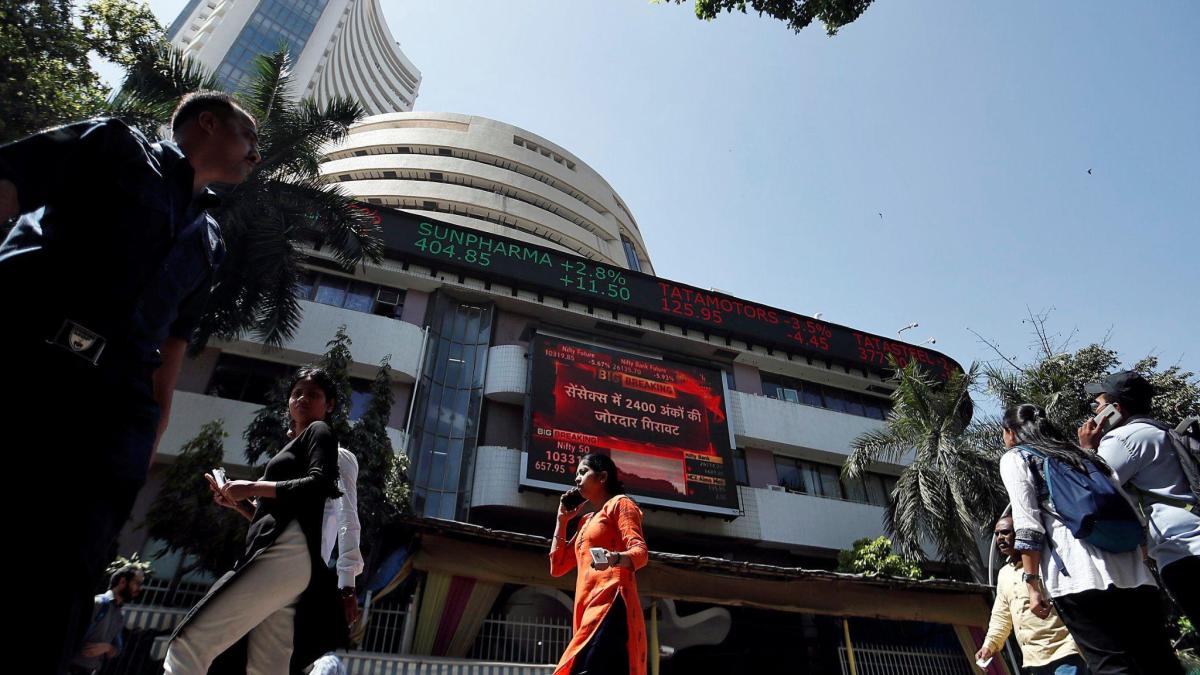
Analysts tracking the energy sector note that persistent supply restrictions are forcing markets to price in a prolonged conflict. Goldman Sachs reported that options-implied probabilities of Brent exceeding $100 in March 2027 have risen from around 6% a month ago to about 25%. Anxiety surrounding escalating energy costs has simultaneously pushed bond yields higher, with the 10-year U.S. Treasury yield crossing 4.8% again as investors returned from the holiday break.
Media additions


Broader economic sentiment felt the strain of the commodity rally. U.S. Stock futures slipped and Treasurys weakened as higher oil prices dragged sentiment. Meanwhile, the European Central Bank is expected to raise its key interest rate on Thursday for the second time since the start of the war between the U.S. And Iran, but signal caution about further moves that would take borrowing costs to levels that restrain economic activity.
The eurozone's annual rate of inflation rose in August to 3.3%, marking the highest level in almost three years and standing well above the ECB's 2% target. Yet, reports indicate no signs of the second-round effects that policymakers traditionally fear when energy prices shoot higher following disruptions such as the closure of the Strait of Hormuz. Money markets are simultaneously pricing in a 58% probability of a 25-basis-point U.S. Rate hike against a 42% chance of unchanged rates ahead of upcoming U.S. Inflation data and a Federal Reserve meeting.
Business analysts point out that macroeconomic pressures extend beyond energy markets. Copper prices climbed to a fresh record on the London Metal Exchange, with three-month futures rising 0.7% to $14,598.50 a metric ton after touching an intraday high of $14,635. Distortions to trade flows due to concerns over potential U.S. Tariffs collided with supply challenges at key mines worldwide, pushing the metal up nearly 17% for the year.
Parallel developments in the pharmaceutical sector further rattled investors in early trading. Swiss drugmaker Novartis announced that its experimental neuromuscular medicine, del-desiran, missed the primary goal in a late-stage clinical trial. The Phase III HARBOR study failed to show a statistically significant improvement over placebo on the primary endpoint of video hand-opening time, a measure of hand myotonia for patients suffering from myotonic dystrophy.
The trial failure for the treatment—acquired through a recent $12 billion acquisition of Avidity—represents a severe blow to the company's pipeline revival strategy. James Eugene, an analyst at Novartis shareholder Verso Investment Management, noted that the drug should have been a must-win for the company and that the failure increases pressure on corporate dealmaking and remaining developmental drugs, according to reporting by Yahoo Finance Singapore and WTVB.
"This recent setback would have dented confidence in its acquisition strategy given the size of the deal and the relatively high expectations of success for del-desiran."
James Eugene, Verso Investment Management analyst, via Yahoo Finance Singapore
Shreeram Aradhye, Novartis’ president of development and chief medical officer, stated that developing therapies for diseases such as myotonic dystrophy type 1 remained challenging and that setbacks were part of scientific progress.
The trial failure marked the second major pipeline disappointment in days for Novartis, coming just a day after a closely watched study for a cholesterol drug failed and sent shares down more than 3%. The dual blows wiped about 24 billion Swiss francs, equivalent to $29.6 billion, off the company's market value, sliding shares down roughly 9% to 10% in Europe in what headed toward one of its worst trading days on record.
| Metric / Asset | Reported Figure / Shift | Context |
|---|---|---|
| Front-month Brent crude | Reached $99.2 a barrel | Driven by Persian Gulf facility attacks and Hormuz shipping disruptions |
| WTI crude futures | Reached $94.5 a barrel | Reflects broader North American and global energy cost pressures |
| 10-year U.S. Treasury yield | Crossed 4.8% | Anxiety over energy inflation nudges bond yields higher |
| Novartis share drop | Fell roughly 9% to 10% | Triggered by the failed late-stage trial for del-desiran |
The setback for Novartis weighed heavily on European equities and spilled over into premarket U.S. Trading, impacting other specialized drug developers. Shares of Dyne Therapeutics and Sarepta Therapeutics fell 30% and 15.5% respectively. Despite the negative trial results, Novartis reiterated its full-year guidance and continues to expect sales to grow at a compound annual rate of 5% to 6% between 2025 and 2030.
Market observers will be watching upcoming U.S. Inflation data on Friday, the European Central Bank's interest-rate decision on Thursday, and the upcoming Federal Reserve meeting on 16 September 2026 to gauge the full trajectory of borrowing costs and energy supply stability.
How significant is this development?
Contribute your assessment to the aggregated reader sentiment ledger.
Frequently Asked Questions
Key questions answered in this reportWhat is the key development in: Oil nears 100 dollars a barrel as Middle East attacks disrupt supply?
Brent crude surged to $99.2 a barrel amid Middle East supply disruptions, while Novartis shares plummeted following a disappointing late-stage drug trial.
Why is this Business development significant for the UK?
This report covers critical events in our Business beat. Independent reporting monitors related UK statements, regulatory shifts, and public responses as further verified details emerge.
How was this reporting corroborated and verified?
Newsarchy UK compiles and cross-references reporting from primary reporting from morningstar.com and cross-checked wire reports. All coverage adheres to published editorial standards.
When was this report published?
This briefing was published on September 8, 2026 and is permanently cataloged in the Newsarchy UK Business archives.