Trump blasts ExxonMobil, Chevron for making ‘too much money,’ demands lower petrol prices
US President Donald Trump has demanded that major oil producers return funds to the public, accusing companies like ExxonMobil and Chevron of making excessive profits.
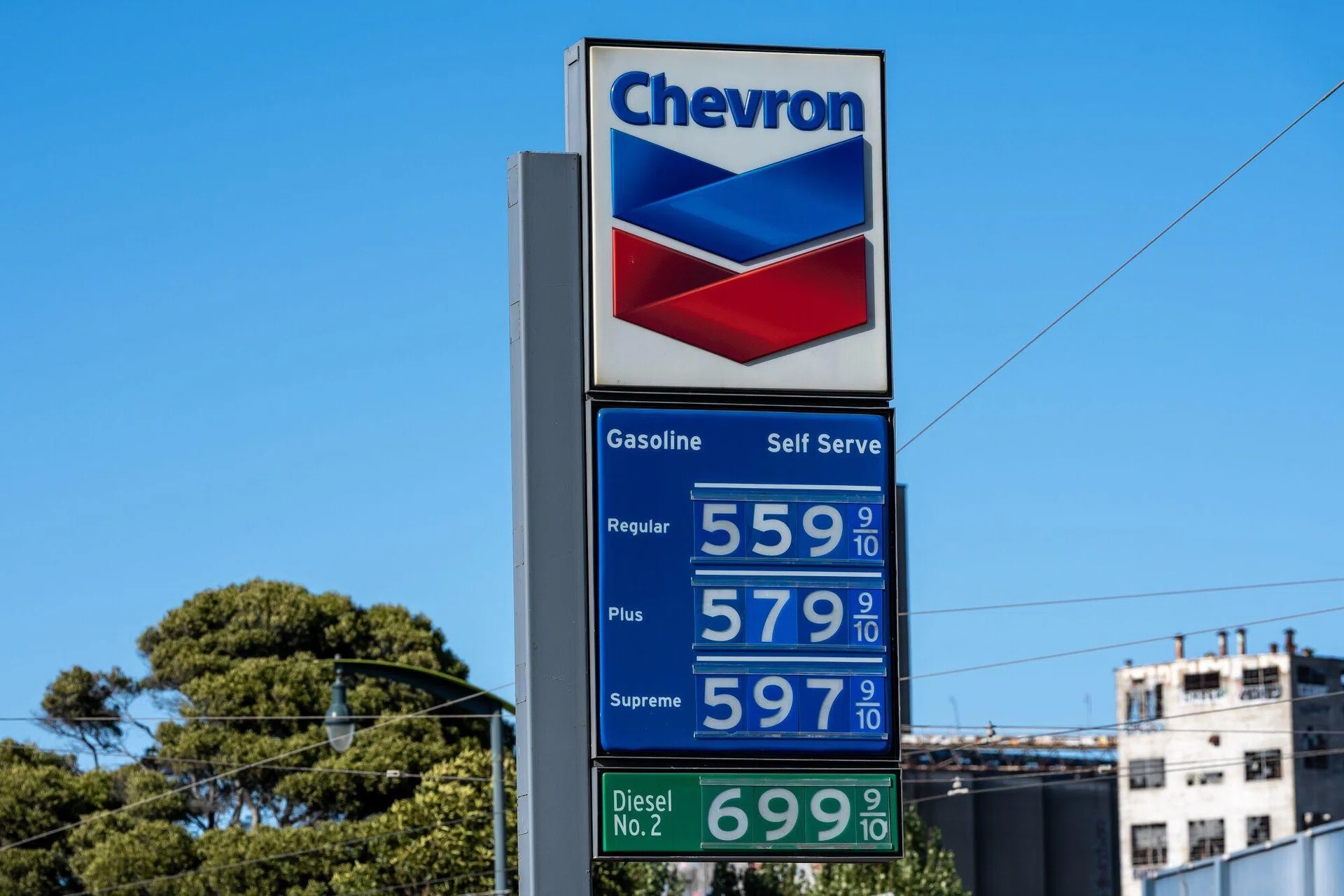
- Core Development: US President Donald Trump has demanded that major oil producers return funds to the public, accusing companies like ExxonMobil and Chevron of making excessive profits.
- Beat Context: Categorized under Business with independent corroboration.
- Reporting Depth: 3 minute analytical read synthesized from verified newsroom sources.
US President Donald Trump has accused major oil producers of making excessive profits from high fuel prices, demanding that corporations return funds to the public in a striking departure from his typical backing of the energy sector.
The remarks arrived on Monday, 3 August 2026. Trump specifically named ExxonMobil and Chevron, arguing that both companies accumulated too much money as ongoing hostilities in Iran kept global crude markets elevated. Chevron recently posted its highest quarterly earnings in at least six years, while Valero Energy recorded its strongest quarterly profit since the energy crisis sparked by Russia's invasion of Ukraine. Marathon Petroleum also benefited from higher refining margins after the war began.
Media additions
Trump singled out Chevron chief executive Mike Wirth for criticism after an appearance on television, arguing that the oil executive failed to credit the current administration for supporting the industry. Chevron has maintained operations in Venezuela for more than a century, retaining its presence even after nationalisation waves under former leader Hugo Chavez prompted competitors like ExxonMobil and ConocoPhillips to exit.
The American Petroleum Institute defended the industry against the presidential critique. A spokesperson for the trade organisation stated that higher prices stem from global supply and demand dynamics alongside ongoing uncertainty surrounding critical shipping lanes like the Strait of Hormuz, rather than actions taken by any single firm.
Market Shifts and Geopolitical Disagreements
The public sparring coincides with volatile movements in global commodity markets. Front-month Brent futures tumbled following developments reported on Monday, 3 August 2026, dropping 7% to settle at $83.77 a barrel. U.S. West Texas Intermediate crude declined 5.1% to close at $80.34 a barrel. The selloff was triggered after Trump held off on launching a planned military attack against Iran, expressing hope for a diplomatic agreement.
However, the diplomatic narrative faced immediate friction. While Trump claimed that negotiations with Iran were actively underway, Iranian officials directly contradicted the assertion. An official from Iran's Foreign Ministry stated that no talks were happening with the United States and that no meetings were scheduled.
Energy analysts at Ritterbusch and Associates characterised the sharp downturn in crude futures as a potential market overreaction to fluctuating political commentary. Observers noted that the latest crude drop mirrors a recurring pattern of verbal interventions intended to cap runaway fuel costs ahead of upcoming political cycles.
Broader Financial and Economic Impact
The volatility in the energy sector has rippled through broader equity markets. On Monday, 3 August 2026, the Dow Jones Industrial Average surged more than 700 points to finish at a record closing high. Easing Middle East tensions pulled Treasury yields lower alongside crude prices, lifting investor sentiment across major sectors.
Retail fuel costs remain an acute political vulnerability. Nationwide petrol averages hover near $4.10 per gallon, having risen more than 30% since military engagements involving the United States, Israel, and Iran began earlier in the year. Although wholesale crude prices experienced a sharp correction on Monday, retail pump prices historically lag behind spot market declines.
Shipping disruptions continue to complicate the global supply picture. Multiple tankers have altered traditional routes to bypass conflict zones, with some vessels rerouting around Africa in response to security threats in the Red Sea and Gulf of Aden. Meanwhile, OPEC+ approved a modest production quota increase of roughly 188,000 barrels per day beginning in September, though chronic export disruptions from multiple producing nations have blunted the impact of previous output hikes.
Market Watch and Key Data
- Crude Oil: Brent futures settled at $83.77 a barrel; WTI closed at $80.34 a barrel on Monday, 3 August 2026.
- Retail Fuel: National pump averages remain near $4.10 per gallon, maintaining cost-of-living pressures ahead of the November midterm elections.
- Production Policy: OPEC+ schedule includes a quota increase of approximately 188,000 barrels per day starting in September.
As business coverage continues to track corporate responses, investors and consumers will watch whether retail fuel prices begin to mirror the recent wholesale crude drops or if friction between the White House and major oil producers escalates further.
How significant is this development?
Contribute your assessment to the aggregated reader sentiment ledger.
Frequently Asked Questions
Key questions answered in this reportWhat is the key development in: Trump blasts ExxonMobil, Chevron for making ‘too much money,’ demands lower petrol prices?
US President Donald Trump has demanded that major oil producers return funds to the public, accusing companies like ExxonMobil and Chevron of making excessive profits.
Why is this Business development significant for the UK?
This report covers critical events in our Business beat. Independent reporting monitors related UK statements, regulatory shifts, and public responses as further verified details emerge.
How was this reporting corroborated and verified?
Newsarchy UK compiles and cross-references reporting from primary reporting from businesstimes.com.sg and cross-checked wire reports. All coverage adheres to published editorial standards.
When was this report published?
This briefing was published on August 4, 2026 and is permanently cataloged in the Newsarchy UK Business archives.