US Weighs NATO-Style Security Guarantees for Ukraine as Russia Pushes Back
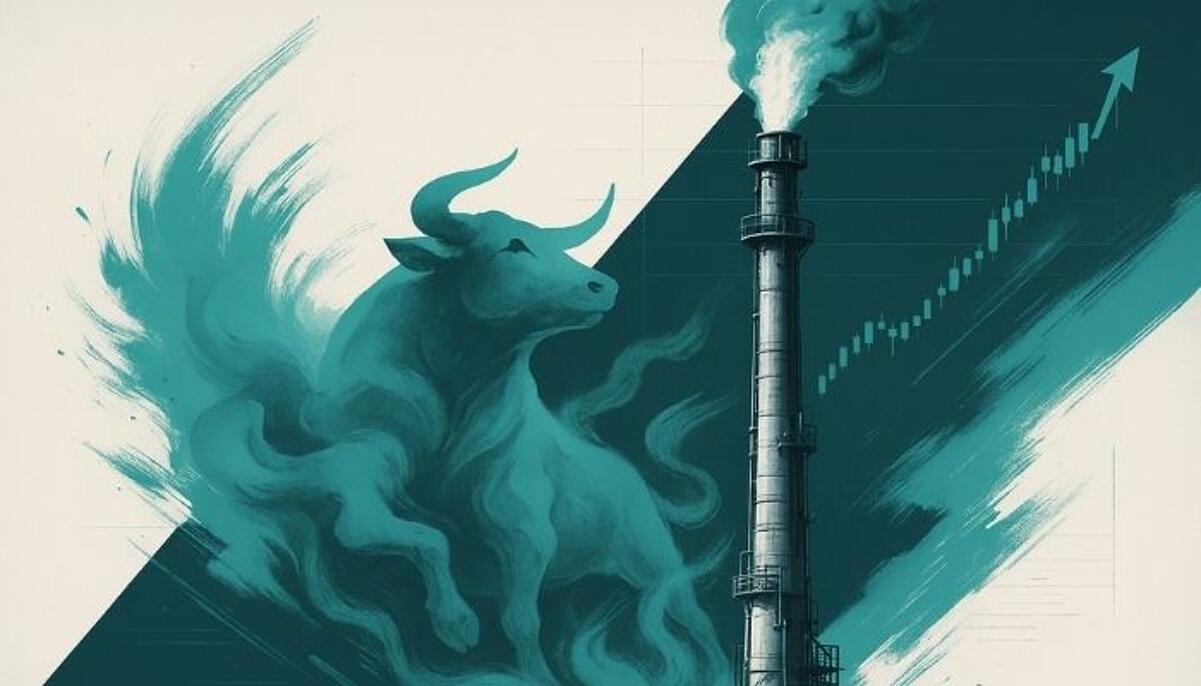
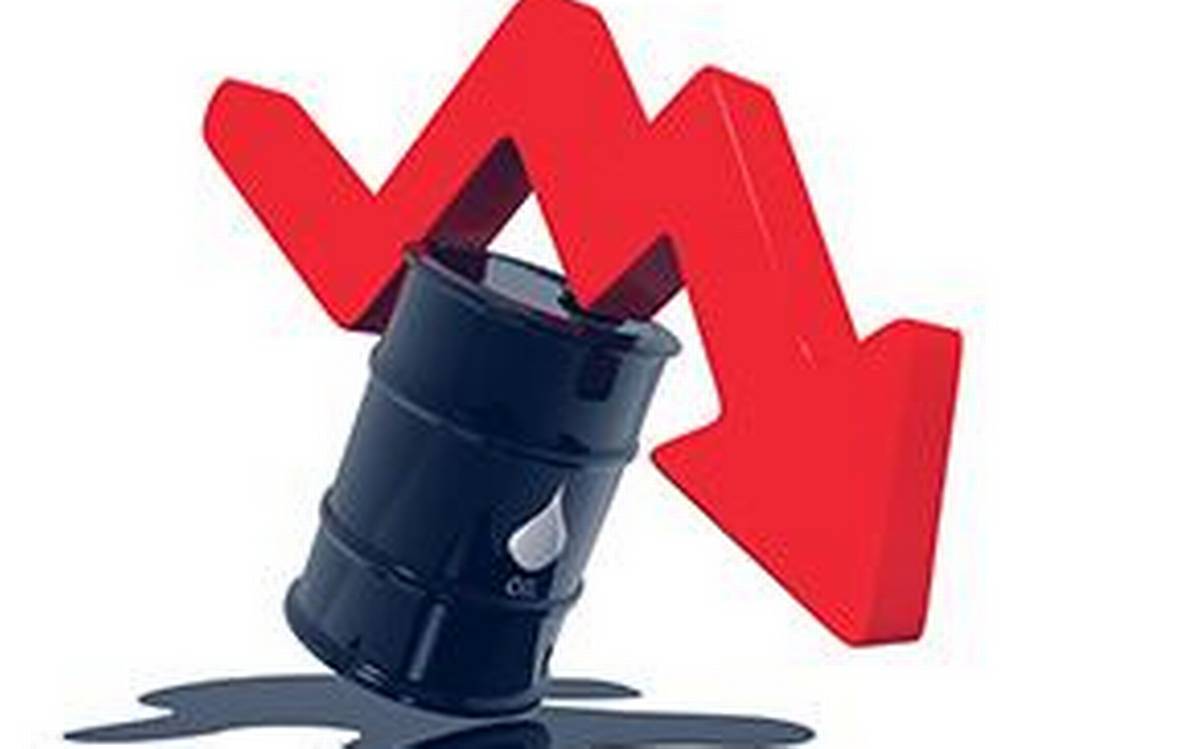
Crude oil prices hovered near three-month lows amid rising global supplies and mounting surplus concerns, while Washington weighed NATO-style security guarantees for Ukraine.
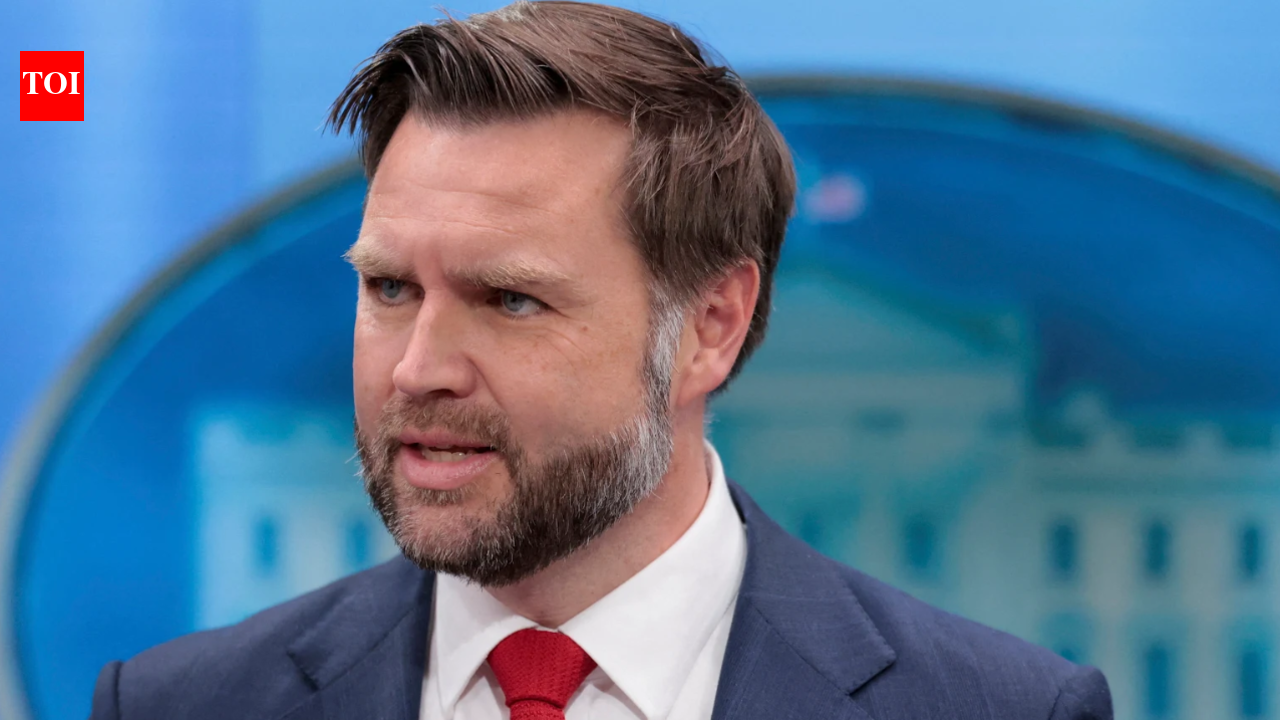
Crude oil prices hovered near three-month lows as rising global supplies and mounting surplus concerns offset ongoing maritime security risks in the Middle East, even as Washington weighed NATO-style security guarantees for Ukraine amid intense pushback from Moscow.
Global commodity markets faced competing forces on Tuesday, balancing persistent geopolitical flashpoints against concrete signs of a shifting supply landscape. Brent crude futures and US West Texas Intermediate (WTI) benchmarks remained near their lowest levels since late August, according to reporting by Oilprice. Analysts pointed to recovering output in Libya, where the Sharara oil pipeline reopened and crude resumed flowing into storage tanks at the Akakus facility in Zawiya, as a major factor weighing down valuations.
Media additions

| Benchmark | Price Movement | Trading Value | Previous Low Comparison |
|---|---|---|---|
| Brent Crude | Down 40 cents, or 0.45 per cent | $88.97 per barrel | Lowest close since August 31 |
| US WTI Crude | Down 23 cents, or 0.29 per cent | $79.94 per barrel | Lowest level since August 26 |
Underpinning the surplus narrative, FXEmpire noted that Deutsche Bank reported global observed liquids inventories rose by 52 million barrels in October, pointing to an oversupply of 1.7 million barrels per day.
Maritime security in the Strait of Hormuz continued to add volatility and provide a floor for prices. Iran's Revolutionary Guards navy stated that three oil tankers caught fire after hitting naval mines, while investigations examined potential cyberattacks targeting up to 50 energy vessels. UKMTO figures indicated that a total of 114 vessels transited through the strait with US assistance between November 19 and November 21.
While energy markets grappled with supply gluts and shipping threats, European security discussions reached a critical juncture. Writing on X on November 22, US special envoy Jared Kushner suggested that President Donald Trump might consider offering Ukraine security guarantees modeled on NATO's collective-defense commitments, provided the risk of a renewed Russian invasion is sufficiently reduced. Kushner called Moscow's reported willingness to discuss such terms a major step forward
.
Kushner outlined a broader framework incorporating permanent consultation channels, crisis communication, military deconfliction, transparency, and reciprocal measures to reduce escalation. He emphasized that any arrangement must preserve participating countries' sovereignty and independent decision-making, while noting that Washington intends to work alongside Kyiv, European partners, and Moscow in sex coming weeks.
Moscow quickly pushed back against the proposal. Russian Deputy Foreign Minister Sergei Ryabkov publicly rejected NATO-like guarantees as unacceptable. Veteran diplomats also expressed deep skepticism. Daniel Fried, a former US assistant secretary of state, told Oilprice that he saw no evidence Moscow was prepared to accept such terms, warning that the word discuss
was doing heavy lifting. Fried questioned whether Kushner was outlining official policy or attempting to create facts on the ground for President Trump, while noting potential friction with Pentagon policy chief Elbridge Colby's emphasis on European-led conventional defense.
Kristina Kvien, a former National Security Council director, added that the framework was too vague without enforceable mechanisms and noted that the current US administration lacked the necessary trust to honor long-term commitments.
Ukrainian President Volodymyr Zelenskyy maintained that full NATO membership remains the clearest security safeguard, questioning whether an alternative Article 5-like arrangement would genuinely deter future attacks or merely serve as a temporary pause. Zelenskyy insisted that any written guarantees must extend well beyond the current US presidential term, demanding specific details on which nations would participate and how they would repel an attack.
What to Watch Next
- OPEC+ ministers are scheduled to meet on November 29 to determine output policy and address growing surplus concerns.
- US inventory data and weekly storage reports from the Energy Information Administration will provide further direction for crude and natural gas markets, with the storage report moving to Wednesday at 12:00 p.m. ET due to Thanksgiving.
- Negotiations regarding postwar European security architecture and potential US security commitments for Ukraine are expected to continue among Washington, Kyiv, and European partners.
- Developments in the Strait of Hormuz and broader US-Iran diplomacy, including potential post-New Year military actions or blockade enforcement measures.
For related analysis on corporate governance and market shifts, readers can consult Business coverage or review recent developments surrounding Silicon Valley lobbying efforts.