US stocks slide as Iran tensions and falling chip shares dent market mood
US equity markets declined on 13 July 2026 as rising crude prices and a slump in semiconductor shares impacted the major indices. Markets are now focusing on upcoming corporate earnings and congressional testimony from Federal Reserve Chair Kevin Warsh.

- Core Development: US equity markets declined on 13 July 2026 as rising crude prices and a slump in semiconductor shares impacted the major indices. Markets are now focusing on upcoming corporate earnings and congressional testimony from Federal Reserve Chair Kevin Warsh.
- Beat Context: Categorized under Business with independent corroboration.
- Reporting Depth: 3 minute analytical read synthesized from verified newsroom sources.
US equity markets retreated on 13 July 2026, as geopolitical tensions in the Middle East and a sharp decline in semiconductor shares disrupted investor sentiment. The downturn followed an announcement from President Donald Trump that he would reinstate a blockade on Iranian ports in the latest escalation of US-Iran hostilities that sent oil prices jumping and dampened risk appetite. The escalation has intensified concerns regarding the stability of global energy supplies and the potential for long-term systemic inflation.
The market reaction was led by the tech-laden Nasdaq, which led the losses, followed by the S&P 500. While all three major US stock indexes finished lower on 13 July 2026, the Dow’s drop was cushioned by rising energy stocks, which were boosted by spiking crude prices due to restricted traffic through the Strait of Hormuz. Crude prices settled up 9.4 per cent.
Media additions
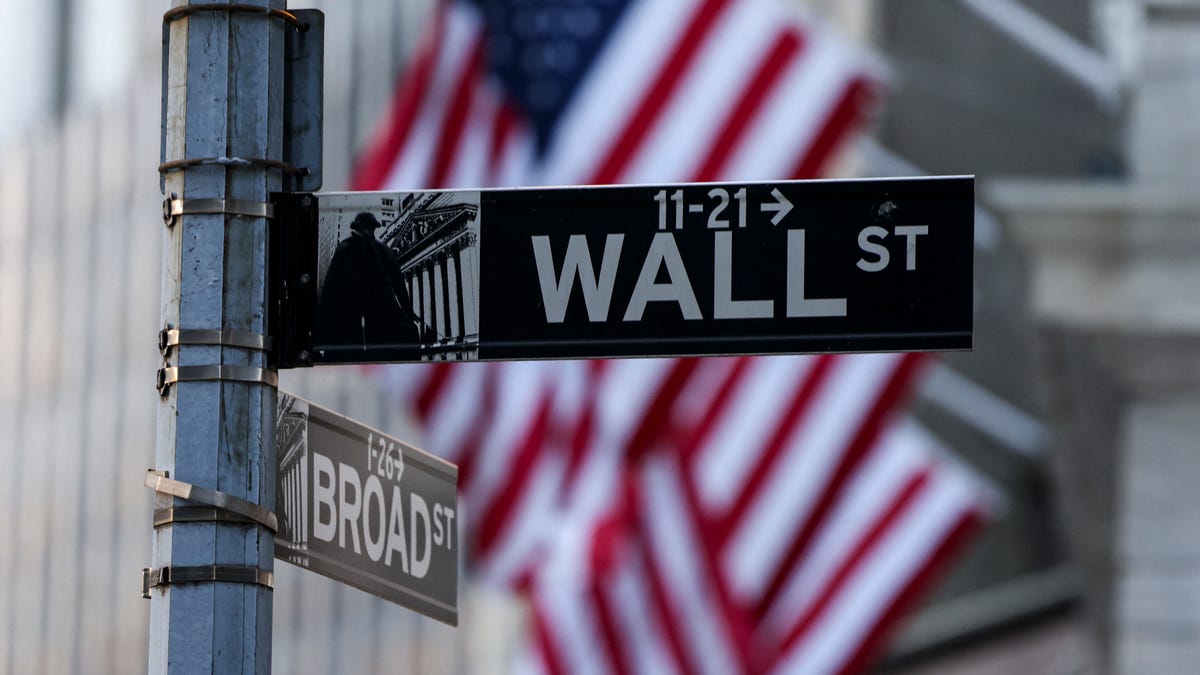
Market analysts suggest the recent slide reflects underlying concerns about the sustainability of valuations reached earlier in the spring.
"(Stocks) really reached a high at the very end of May, driven mainly by semiconductor(s). When you move something this far, this fast, you invite the question: how sustainable is it? If the market were cheap, it’d be one thing. Now there’s less cushion and there continues to be a lot of unknowns."
Thomas Martin, senior portfolio manager at GLOBALT in Atlanta, via Reuters
Sector Performance and Chip Volatility
Semiconductor stocks, which have been primary drivers of recent market rallies, faced significant downward pressure. The Philadelphia SE Semiconductor Index was the clear underperformer, with constituents SanDisk, Marvell Technology and Intel dropping between 6.1 per cent and 12.6 per cent. Additionally, the US-listed shares of South Korean chipmaker SK Hynix sank 9.3 per cent after rising more than 12 per cent on July 10 in their Nasdaq debut.
Some market observers expressed caution regarding the broader financing of the technology sector, particularly in light of ongoing artificial intelligence capital expenditure.
"I wonder if the market is going to really start to revolt a little bit at the deluge of corporate issuance to fund this AI capex that has been called into question for a couple of years now. It’ll be interesting to see down the road how the big banks talk about corporate bonds, fixed income, and what they have on their books or not."
Ross Mayfield, investment strategy analyst at Baird in Louisville, Kentucky, via Reuters
Market Data and Economic Indicators
On 13 July 2026, the Dow Jones Industrial Average fell 138.31 points, or 0.26 per cent, to 52,498.70. The S&P 500 lost 59.92 points, or 0.79 per cent, to 7,515.47, and the Nasdaq Composite lost 408.43 points, or 1.55 per cent, to 25,873.18. Declining issues outnumbered advancers on the NYSE by a 1.63-to-1 ratio, while on the Nasdaq, 1,592 stocks rose and 3,178 fell as declining issues outnumbered advancers by a 2-to-1 ratio.
The market now turns its attention to an influx of economic data and corporate disclosures scheduled for later this week. Federal Reserve Chair Kevin Warsh is due to sit for his first semiannual testimony before Congress on July 14 and July 15, during which the new head of the central bank will be questioned regarding the inflationary effects of the US-Iran war and the Fed’s likely course of action.
Markets are pricing in at least one 25-basis-point rate hike by year-end, according to LSEG data. Investors are also monitoring upcoming releases from the Labor Department regarding consumer (CPI) and producer (PPI) price indexes, which are expected to reveal the impact of the conflict on price growth throughout June. the Commerce Department’s June retail sales data will provide insight into how well the consumer, who accounts for about 70 per cent of the US economy, is weathering the price squeeze.
Upcoming Financial Disclosures
Major financial firms Bank of America, Citigroup, Goldman Sachs, JPMorgan Chase and Wells Fargo were all slated to report quarterly results on July 14, marking the unofficial start of second-quarter earnings season. Analysts currently expect aggregate second-quarter S&P 500 earnings growth of 23.7 per cent year-on-year, up from the 19.2 per cent estimates as of April 1, according to LSEG.
How significant is this development?
Contribute your assessment to the aggregated reader sentiment ledger.
Frequently Asked Questions
Key questions answered in this reportWhat is the key development in: US stocks slide as Iran tensions and falling chip shares dent market mood?
US equity markets declined on 13 July 2026 as rising crude prices and a slump in semiconductor shares impacted the major indices. Markets are now focusing on upcoming corporate earnings and congressional testimony from Federal Reserve Chair Kevin Warsh.
Why is this Business development significant for the UK?
This report covers critical events in our Business beat. Independent reporting monitors related UK statements, regulatory shifts, and public responses as further verified details emerge.
How was this reporting corroborated and verified?
Newsarchy UK compiles and cross-references reporting from primary reporting from straitstimes.com and cross-checked wire reports. All coverage adheres to published editorial standards.
When was this report published?
This briefing was published on July 14, 2026 and is permanently cataloged in the Newsarchy UK Business archives.