Paramount Sued By States In Bid to Block $111 Billion Warner Bros. Merger
Twelve state attorneys general have filed an antitrust lawsuit seeking to freeze the $111 billion merger between Paramount, Skydance, and Warner Bros. Discovery. The complaint alleges the deal would concentrate excessive market control over theatrical films and basic-cable licensing.
- Core Development: Twelve state attorneys general have filed an antitrust lawsuit seeking to freeze the $111 billion merger between Paramount, Skydance, and Warner Bros. Discovery. The complaint alleges the deal would concentrate excessive market control over theatrical films and basic-cable licensing.
- Beat Context: Categorized under Business with independent corroboration.
- Reporting Depth: 4 minute analytical read synthesized from verified newsroom sources.
Paramount Pictures and Skydance’s bid to buy Warner Bros. Discovery for roughly $111 billion has hit an immediate roadblock: a coalition of twelve state attorneys general filed an antitrust lawsuit on Monday in the U.S. District Court for the Northern District of California. The suit asks a judge to freeze the transaction until a court decides whether the combination breaches the Clayton Act. The filing arrives just weeks after the Justice Department’s antitrust division gave the deal its seal of approval.
How the states frame the case
The complaint alleges that merging two of Hollywood’s “Big Five” studios would concentrate control of wide‑release theatrical films and basic‑cable licensing in a single entity. According to the states, the combined Paramount‑WBD company would command a 27 percent share of both the wide‑release theatrical distribution market and the market for licensing basic‑cable channels. The filing also says the merged firm would control “nearly one‑third of theatrical motion pictures, and nearly one‑third of basic cable programming.”
Media additions
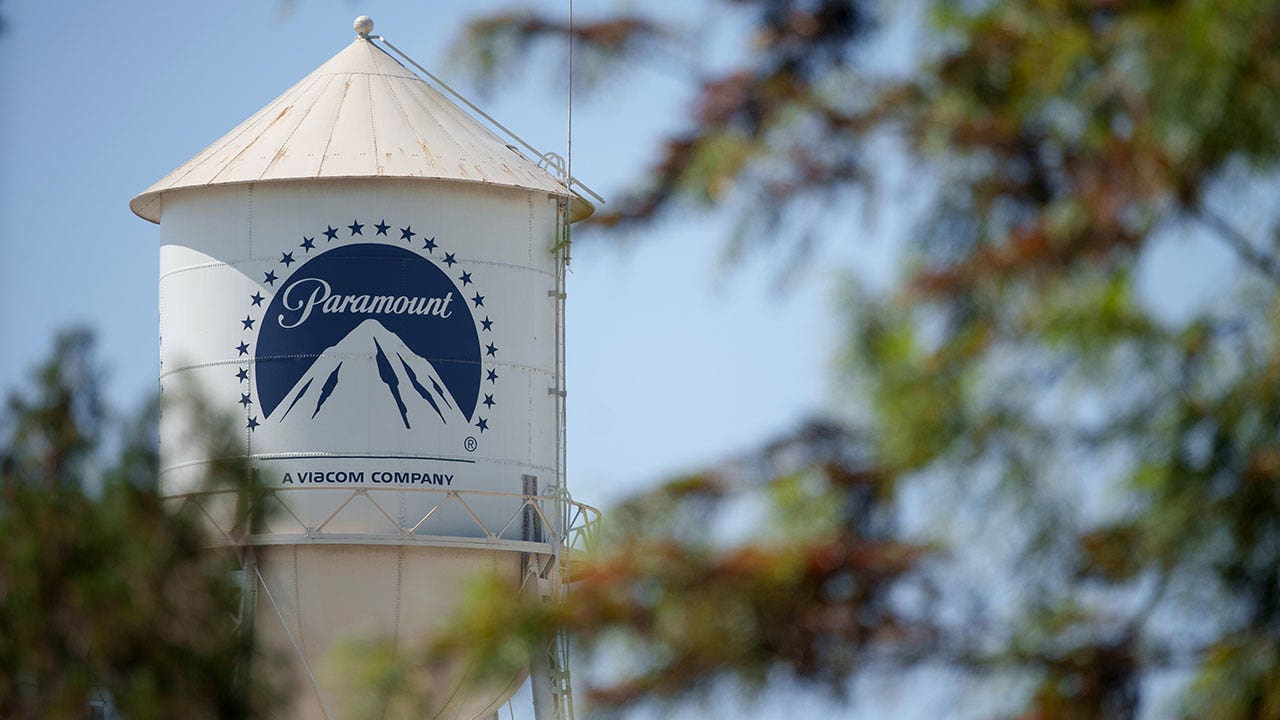

Four studios already dominate more than 85 percent of wide‑release films, the complaint notes, and Paramount’s post‑merger share of anticipated blockbuster titles would exceed 30 percent. The states argue that such dominance would let the combined company “raise ticket prices, force tighter caps on discounts, and limit complimentary tickets,” ultimately hurting consumers and independent theatres.
“The unlawful merger of these two entertainment behemoths would lead to higher prices, lower quality, and less content for film and television, harming movie theaters, basic cable distributors, and ultimately, audiences on every sofa and movie theater seat in the U.S.,”
Rob Bonta, California Attorney General, via multiple outlets
Bonta added that California’s film and entertainment industry “touches the lives of Americans daily … and is a point of immense pride and employment for Californians.” He framed the lawsuit as a fight “for free and fair markets, not rigged markets.”
What the plaintiffs say about the market impact
The complaint describes “anticipated top‑grossing theatrical film distribution” as a subset of the market that concerns “blockbuster films with wide audiences and large production budgets.” It claims the merged entity would control “three‑tenths of those films.” The states also argue that the two companies together own a portfolio of over 50 basic‑cable channels — including rights to marquee sports programming — giving them “enormous bargaining power” over satellite and cable providers.
“Movie theatres rely on competition between Paramount and Warner Bros. … Through this competition, theatres incentivize creativity and quality, and they secure competitive prices and terms for themselves and for audiences,” the filing states.
Paramount’s defence and financial context
Paramount responded that the lawsuit “reflects a fundamentally flawed application of the antitrust laws and is wrong on both the facts and the law.” The company argues the merger will create a “stronger, well‑capitalized, creative‑first media company” that can better compete with streaming giants such as Netflix.
David Ellison, Paramount’s chief executive, has pledged to keep both studios operating independently and to release at least 30 movies a year with a minimum 45‑day theatrical window. Paramount also points to the Justice Department’s eight‑month review, which examined more than two million documents and concluded the deal would “increase competition across the media and entertainment ecosystem.”
Financial analysts note the deal would leave the combined company with an estimated $79 billion in debt and about $3 billion in annual free cash flow.
Deal financing includes non‑voting investments from sovereign‑wealth funds in Saudi Arabia, Qatar and the United Arab Emirates, as well as a projected $80 billion of new debt.
Regulatory backdrop beyond the states
While the Justice Department cleared the merger in June, other regulators remain active. The European Union set a provisional deadline of July 22 for its review. The United Kingdom’s Competition and Markets Authority opened an investigation in June.
Antitrust enforcers in China, South Africa, Saudi Arabia, Ukraine, Serbia and North Macedonia have already signaled that the deal does not violate their domestic laws. Regulators in Germany, Italy, France, Romania, Slovenia, Belgium, Czechia, New Zealand and Spain have also approved foreign‑investment aspects of the transaction.
Political and strategic dimensions
President Donald Trump, a longtime ally of Larry Ellison, the billionaire Oracle co‑founder backing his son’s bid, has publicly praised the Ellison family and expressed a desire to see CNN change hands. Trump told CNN anchor Jake Tapper that “we’re trying to have CNN go in a normal path.”
Within Paramount, senior advisers are reportedly urging Ellison to consider relocating the company’s headquarters out of California if the state’s legal challenge proceeds. Reports note that “Ellison’s confidantes have pushed him to consider moving its corporate headquarters and reallocating much of its $30 billion in planned spending outside the state,” though no decision has been made.
FCC Chairman Brendan Carr, a Trump appointee, has expressed support for a swift approval, saying, “I think this is a good deal, and I think it should get through pretty quickly.”
What happens next
The states have asked the court to issue a temporary restraining order if Paramount and Warner do not voluntarily pause the closing.
The European Union’s in‑depth probe is slated to wrap up in the coming weeks.
How significant is this development?
Contribute your assessment to the aggregated reader sentiment ledger.
Frequently Asked Questions
Key questions answered in this reportWhat is the key development in: Paramount Sued By States In Bid to Block $111 Billion Warner Bros. Merger?
Twelve state attorneys general have filed an antitrust lawsuit seeking to freeze the $111 billion merger between Paramount, Skydance, and Warner Bros. Discovery. The complaint alleges the deal would concentrate excessive market control over theatrical films and basic-cable licensing.
Why is this Business development significant for the UK?
This report covers critical events in our Business beat. Independent reporting monitors related UK statements, regulatory shifts, and public responses as further verified details emerge.
How was this reporting corroborated and verified?
Newsarchy UK compiles and cross-references reporting from primary reporting from apnews.com and cross-checked wire reports. All coverage adheres to published editorial standards.
When was this report published?
This briefing was published on July 13, 2026 and is permanently cataloged in the Newsarchy UK Business archives.