Burnham faces scrutiny over £800m in taxpayer loans to Renaker
Andy Burnham faces scrutiny regarding the Greater Manchester Combined Authority's financial support for developer Renaker amid debates over housing policy. Critics question the lack of affordable homes as the region grapples with homelessness and ambitious regeneration targets.
- Core Development: Andy Burnham faces scrutiny regarding the Greater Manchester Combined Authority's financial support for developer Renaker amid debates over housing policy. Critics question the lack of affordable homes as the region grapples with homelessness and ambitious regeneration targets.
- Beat Context: Categorized under Cost of Living with independent corroboration.
- Reporting Depth: 3 minute analytical read synthesized from verified newsroom sources.
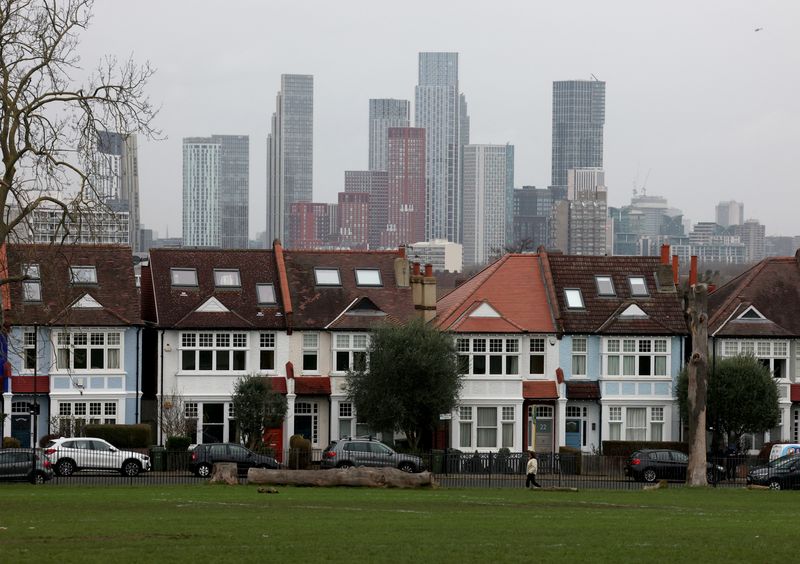
As Andy Burnham prepares to assume the office of prime minister, his transition into national leadership is met with scrutiny over his tenure as Mayor of Greater Manchester. Central to this debate is the Greater Manchester Combined Authority’s (GMCA) decision to provide £800m in taxpayer-backed loans to the property developer Renaker. These funds, provided since 2016, have financed a series of high-rise developments that have transformed the Manchester skyline.
While supporters, including the Mayor, characterize the arrangement as a success story of urban regeneration, critics point to the lack of affordable housing within these projects and the concentration of ownership among international investors.
Media additions


A Record Under Fire
The financial relationship between the GMCA and Renaker has previously been subject to legal challenge. In July, Mr. Burnham's administration fended off a lawsuit that claimed officials unfairly loaned taxpayer cash to Renaker. A rival developer sued, alleging that the authority was distorting the property market by providing advantageous treatment. The Competition Appeals Tribunal ultimately ruled in favour of the GMCA, stating the authority had acted fairly.
Despite this legal vindication, questions persist regarding transparency and the distribution of housing. Official figures show that in March this year there were 2,075 families living in temporary accommodation in Greater Manchester, up from 1,566 in March 2020. Additionally, 154 people were seen sleeping rough on a single night in Greater Manchester in autumn 2024, compared to 149 a year earlier. Mr. Burnham had previously pledged to eradicate rough sleeping in the city by 2020.
A GMCA spokesman stated that the authority has reduced rough sleeping by 43pc since 2017. However, a report published last year by the think tank Centre for Cities warned that Greater Manchester was likely to fall short by more than 23,000 homes toward its target of 75,000 by the end of the decade.
The Economic Inheritance
Beyond the skyline of Manchester, Mr. Burnham faces a daunting fiscal landscape as he assumes national office. Economists describe the current state of the UK economy as fragile, characterized by stagnant living standards and limited room for fiscal maneuvering. With national debt nearing £3tn, the incoming government must navigate rising pressure on public services while avoiding bond market volatility—a risk cited by analysts as a primary threat to any new administration.
The Office for Budget Responsibility has warned that the UK’s tax burden is at a post-war high. Projections suggest that if income tax thresholds continue to be frozen, millions of additional workers will be pushed into higher tax brackets within the coming decades, a trajectory that could lead to a reduction in labour supply. Analysts indicated that the UK remains on probation in fiscal policy terms following past volatility in bond markets.
Strategic Choices
As the new administration takes shape, observers are closely watching how Mr. Burnham will balance campaign commitments with constrained public finances. He faces structural challenges including rising costs for defence, net zero targets, and an ageing population. Some economists have suggested that an early budget may be necessary to provide clarity to markets.
discussions persist regarding the future of the triple lock on pensions. Whether Mr. Burnham can successfully translate his regional experience of managing budgets during times of austerity into a national economic strategy remains the central question for his incoming term.
What to Watch Next
- Fiscal Strategy: Markets are awaiting clarity on whether the new prime minister will call for an early budget to address fiscal sustainability.
- Housing Policy: With local councils under pressure, the approach to "viability" assessments in private developments will remain a flashpoint, particularly regarding the ability of developers like Renaker to fulfill financial commitments for affordable housing.
- Policy Direction: Advisers are currently debating the mix of caution and radicalism in initial legislative efforts, with particular focus on how to address the cost of living without triggering market instability.
How significant is this development?
Contribute your assessment to the aggregated reader sentiment ledger.
Frequently Asked Questions
Key questions answered in this reportWhat is the key development in: Burnham faces scrutiny over £800m in taxpayer loans to Renaker?
Andy Burnham faces scrutiny regarding the Greater Manchester Combined Authority's financial support for developer Renaker amid debates over housing policy. Critics question the lack of affordable homes as the region grapples with homelessness and ambitious regeneration targets.
Why is this Cost of Living development significant for the UK?
This report covers critical events in our Cost of Living beat. Independent reporting monitors related UK statements, regulatory shifts, and public responses as further verified details emerge.
How was this reporting corroborated and verified?
Newsarchy UK compiles and cross-references reporting from primary reporting from newswav.com and cross-checked wire reports. All coverage adheres to published editorial standards.
When was this report published?
This briefing was published on July 18, 2026 and is permanently cataloged in the Newsarchy UK Cost of Living archives.