US-Iran War Live Updates: US ends seventh consecutive night of Iran strikes
Following a week of intense air strikes, the US military has targeted Iranian infrastructure, triggering retaliatory attacks across the Gulf.
- Core Development: Following a week of intense air strikes, the US military has targeted Iranian infrastructure, triggering retaliatory attacks across the Gulf.
- Beat Context: Categorized under World with independent corroboration.
- Reporting Depth: 3 minute analytical read synthesized from verified newsroom sources.
The United States concluded its seventh consecutive night of air strikes against Iran on Saturday, 18 July 2026, marking a significant intensification of hostilities that has pushed the Middle East toward a broader regional conflict. The military campaign, directed by President Donald Trump, focused on degrading Iranian coastal defences, surveillance sites, and logistics infrastructure, according to U.S. Central Command.
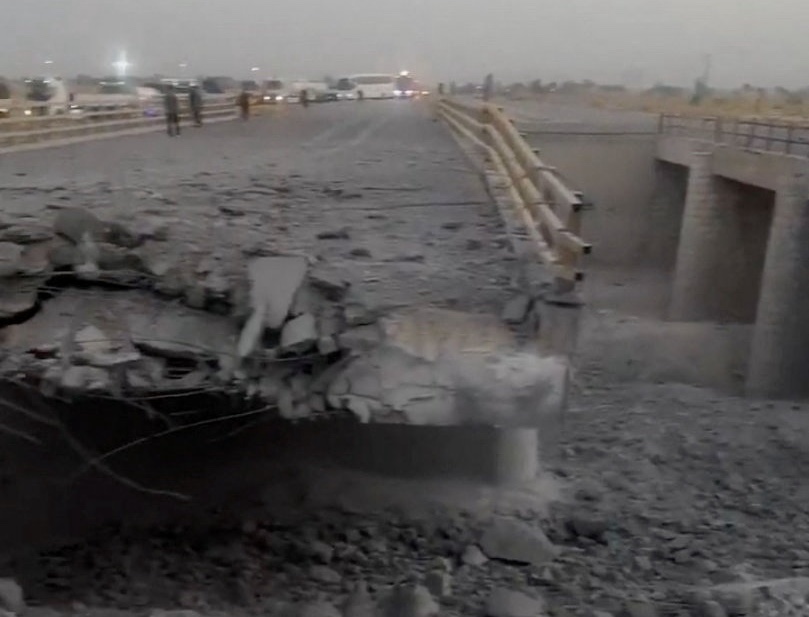
The latest strikes, which ended just after 11:30 a.m. Saturday (AEST), targeted sites across southern Iran. While the U.S. Military reported striking military logistics, underground weapons storage, and maritime capabilities, the civilian impact continues to mount. Iranian state media reported that the ongoing campaign has resulted in dozens of fatalities and hundreds of injuries, while internal infrastructure such as bridges and port towers have suffered heavy damage.
The conflict has expanded beyond the initial theater of the Strait of Hormuz. Iran has retaliated by launching drone and missile attacks against U.S.-allied nations in the Gulf. Notable incidents include an attack on a power and water desalination plant in Kuwait, which caused significant damage to the facility that provides the vast majority of the country's drinking water. Additionally, Iranian missiles targeted facilities in Bahrain and Qatar, the latter of which serves as a key mediator in the conflict. Qatari authorities reported that falling debris from an intercepted missile injured a child.
The escalation has disrupted global trade, with oil prices rising sharply. Brent crude futures increased by roughly 3% on Friday, hovering near one-month highs as shippers navigate the hazardous waters of the Gulf. The British military's United Kingdom Maritime Trade Operations reported that a tanker was attacked while transiting near the Strait of Hormuz on Friday, further highlighting the peril to commercial vessels.
The strategic stakes remain centered on the control of maritime energy transit. Tehran has consistently maintained that the Strait of Hormuz falls under its sovereign control and has threatened to disrupt further energy exports if the U.S. Campaign continues. Mohsen Rezaei, an adviser to Iran’s supreme leader, issued a stark warning on Friday, stating that if American strikes persist, the conflict will shift into a phase of full-scale offensive operations. In response, President Trump has asserted that the United States is winning big
and has suggested that the objectives of the military pressure campaign will be realized soon.
Conflict Impact Summary
| Metric | Reported Status |
|---|---|
| Campaign Duration | Seven consecutive nights |
| Key Infrastructure Targets | Bridges, desalination plants, ports, power stations |
| Energy Impact | Brent crude futures up ~3%; Strait of Hormuz transit minimal |
| Regional Casualties | Dozens killed, hundreds injured (Iranian reports) |
Within Iran, citizens have reported severe economic hardship, with internet disruptions hampering work and inflation driving grocery costs higher. The U.S. Strikes have also targeted connectivity, with authorities in southern Iranian provinces issuing calls to conserve electricity as the power grid faces damage. Meanwhile, international concerns are mounting; the United Nations Secretary-General, António Guterres, expressed alarm over the targeting of civilian infrastructure across the region.
Looking ahead, the situation remains precarious as both sides test the limits of escalation. With more than 50,000 U.S. Service members operating across the Middle East, the potential for a miscalculation or a further widening of the conflict into a full-scale regional war remains high. President Trump has signaled that the campaign may intensify further next week if negotiations do not resume, potentially bringing energy-producing infrastructure into the crosshairs of the conflict.
How significant is this development?
Contribute your assessment to the aggregated reader sentiment ledger.
Frequently Asked Questions
Key questions answered in this reportWhat is the key development in: US-Iran War Live Updates: US ends seventh consecutive night of Iran strikes?
Following a week of intense air strikes, the US military has targeted Iranian infrastructure, triggering retaliatory attacks across the Gulf.
Why is this World development significant for the UK?
This report covers critical events in our World beat. Independent reporting monitors related UK statements, regulatory shifts, and public responses as further verified details emerge.
How was this reporting corroborated and verified?
Newsarchy UK compiles and cross-references reporting from primary reporting from smh.com.au and cross-checked wire reports. All coverage adheres to published editorial standards.
When was this report published?
This briefing was published on July 18, 2026 and is permanently cataloged in the Newsarchy UK World archives.