Maulana Fazlur Rehman challenges Pakistan army chief to contest election
JUI-F leader Maulana Fazlur Rehman has publicly demanded that Field Marshal Asim Munir renounce his uniform if he wishes to engage in national politics. This confrontation highlights growing tensions over military influence and government policy in Pakistan.
Maulana Fazlur Rehman challenges Pakistan army chief to contest election
EXECUTIVE BRIEFKey Takeaways & Signal
Core Development: JUI-F leader Maulana Fazlur Rehman has publicly demanded that Field Marshal Asim Munir renounce his uniform if he wishes to engage in national politics. This confrontation highlights growing tensions over military influence and government policy in Pakistan.
Beat Context: Categorized under World with independent corroboration.
As of Saturday, 18 July 2026, the long-standing civil-military power dynamic in Pakistan is under renewed scrutiny following an open challenge from a veteran political leader to the nation’s top military commander. Maulana Fazlur Rehman, head of the Jamiat Ulema-e-Islam-Fazl (JUI-F), has publicly demanded that Field Marshal Asim Munir, the Chief of Defence Forces, renounce his uniform if he wishes to engage in national politics.
The confrontation, which occurred during a public gathering on Sunday, 12 July 2026, signals a departure from the traditional negotiation-based approach historically employed by Rehman, a figure long considered a consummate political survivor within the country’s complex power structure. Addressing the military leadership, Rehman issued a direct challenge:
"If you want to do politics, then take off the uniform and come; participate in the elections, and it will become clear how many votes those in uniform receive."
Media additions
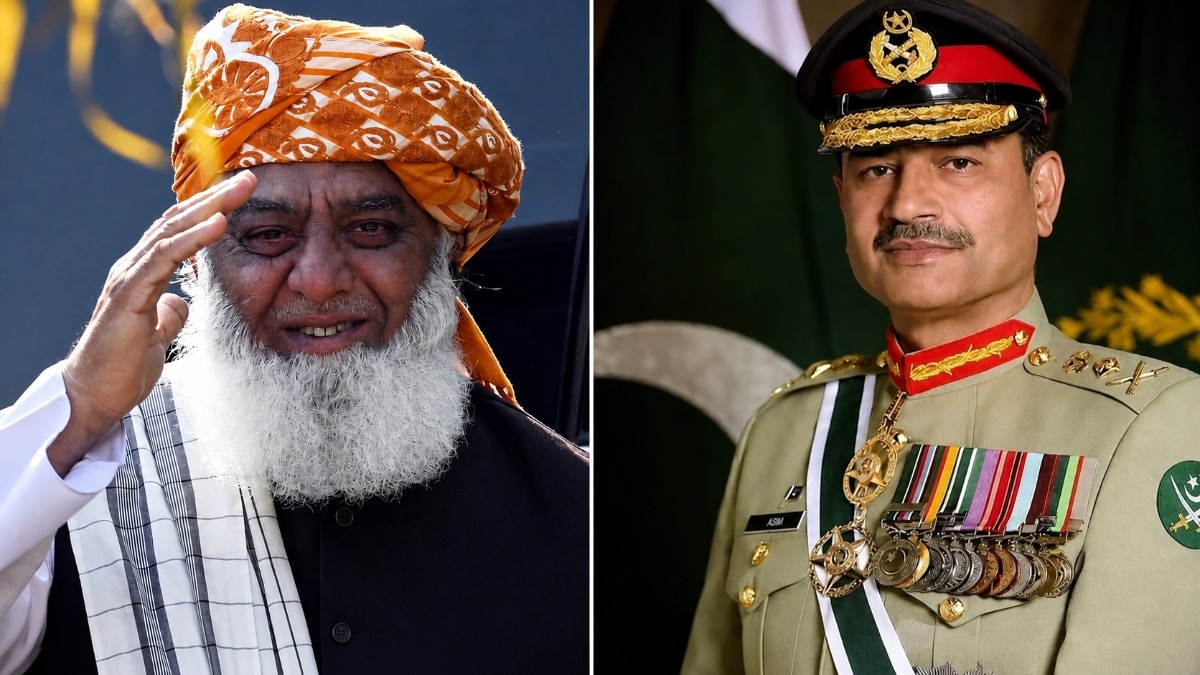
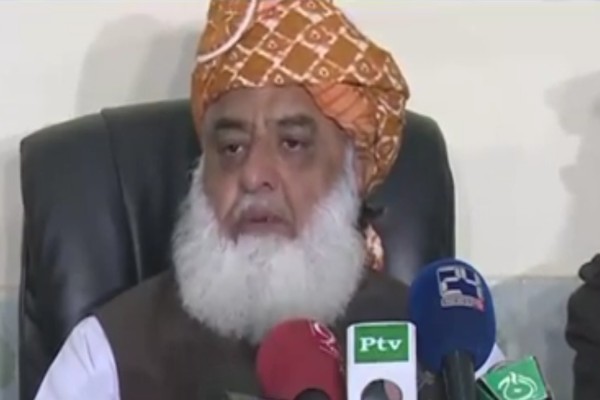
Image via stratnewsglobal.comImage via news24online.com
Maulana Fazlur Rehman, JUI-F leader, via Indiatoday
A Shift in Rhetoric
Rehman’s criticism is rooted in several compounding factors, most notably the military's recent proposal for civilians to form armed militias, known as lashkars, to combat violence in Khyber Pakhtunkhwa and Balochistan. Rehman has rejected this plan, arguing that national defence is the exclusive responsibility of the state. He warned that empowering citizens to take up arms would perpetuate cycles of lawlessness and blood feuds, while suggesting that the state’s request is an admission that it can no longer fulfill its fundamental duties. He further claimed that the Pakistani state has lost control of the restive Baloch regions, asserting that the government's writ no longer exists there.
The cleric also took aim at the military’s internal narrative regarding sacrifice. By describing military service as a professional, salary-based occupation funded by taxpayer money, he challenged the moral authority the institution frequently invokes.
"You are taking your salaries from the taxes earned through our blood and sweat. I have taken no salary. I will not form any Lashkar."
Maulana Fazlur Rehman, JUI-F leader, via Stratnewsglobal
Strategic Inconsistencies
A primary driver of the tension is the government’s approach to cross-border security. Rehman has openly criticized the military for conducting strikes inside Afghanistan against militant groups such as the Tehreek-e-Taliban Pakistan (TTP). He argued that these operations have resulted in civilian casualties and alienated Kabul. Furthermore, he questioned the consistency of Islamabad’s foreign policy, noting the hypocrisy in justifying strikes on Afghan soil while condemning Indian military operations within Pakistan.
This critique comes at a time when Field Marshal Asim Munir holds significant authority, having seen his tenure extended to 2027 and his role expanded as the country’s first Chief of Defence Forces. According to reporting by Stratnewsglobal, Munir has become the face of a security-first doctrine that prioritizes military strength and projects the armed forces as the center of Pakistan’s national identity.
The Political Landscape
Rehman’s dissent has created an unlikely tactical alignment with the Pakistan Tehreek-e-Insaf (PTI) party. Despite being former, fierce rivals, both sides have expressed concerns regarding the military's influence over the government’s proposed constitutional amendments. Rehman, the son of the founder of the Jamiat Ulema-e-Islam party, has been a significant political figure since his debut in the Movement for the Restoration of Democracy against the military dictatorship of General Zia-ul-Haq. He was first elected to the National Assembly in 1988.
The fallout from these statements has been immediate. Senior ministers have accused Rehman of insulting the military and undermining the sacrifices of soldiers. Petitions have been filed seeking criminal proceedings against him for alleged violations of cybercrime laws.
What to Watch Next
Legal Action: Whether the state proceeds with criminal charges against Maulana Fazlur Rehman for his recent public remarks regarding military salaries and political conduct.
Legislative Maneuvering: The progress of proposed constitutional amendments and whether the JUI-F and PTI formalize their opposition in the National Assembly.
Security Stability: The effectiveness of the military's push for civilian militias in border provinces and the response of local tribes to that directive.
Rehman’s challenge highlights that while the military remains the dominant institution in Pakistan, its actions are no longer immune to public debate. As a veteran leader who has won at least seven parliamentary terms, his shift toward open opposition represents a notable strain on the country's long-standing civil-military compact.
READER INTELLIGENCE PULSE
How significant is this development?
Contribute your assessment to the aggregated reader sentiment ledger.
Click an option to register your anonymous assessment.
Frequently Asked Questions
Key questions answered in this report
What is the key development in: Maulana Fazlur Rehman challenges Pakistan army chief to contest election?
JUI-F leader Maulana Fazlur Rehman has publicly demanded that Field Marshal Asim Munir renounce his uniform if he wishes to engage in national politics. This confrontation highlights growing tensions over military influence and government policy in Pakistan.
Why is this World development significant for the UK?
This report covers critical events in our World beat. Independent reporting monitors related UK statements, regulatory shifts, and public responses as further verified details emerge.
How was this reporting corroborated and verified?
Newsarchy UK compiles and cross-references reporting from primary reporting from indiatoday.in and cross-checked wire reports. All coverage adheres to published editorial standards.
When was this report published?
This briefing was published on July 18, 2026 and is permanently cataloged in the Newsarchy UK World archives.