Meet the Democrats running in Michigan’s 1st Congressional District
Candidates in Michigan's 1st Congressional District are highlighting economic concerns as voters prepare for the primary election on 4 August 2026.

- Core Development: Candidates in Michigan's 1st Congressional District are highlighting economic concerns as voters prepare for the primary election on 4 August 2026.
- Beat Context: Categorized under Cost of Living with independent corroboration.
- Reporting Depth: 3 minute analytical read synthesized from verified newsroom sources.
Across the United States, utility customers are facing a compounding affordability crisis as rising energy costs strain household budgets and spark political debate. While voters in Michigan prepare for primary elections on Tuesday, 4 August 2026, concerns over the cost of living—specifically housing and utility access—are moving to the forefront of the congressional race. This intersection of rising basic expenses and energy insecurity is being felt from the rural communities of the Upper Peninsula to the densely populated boroughs of New York City.
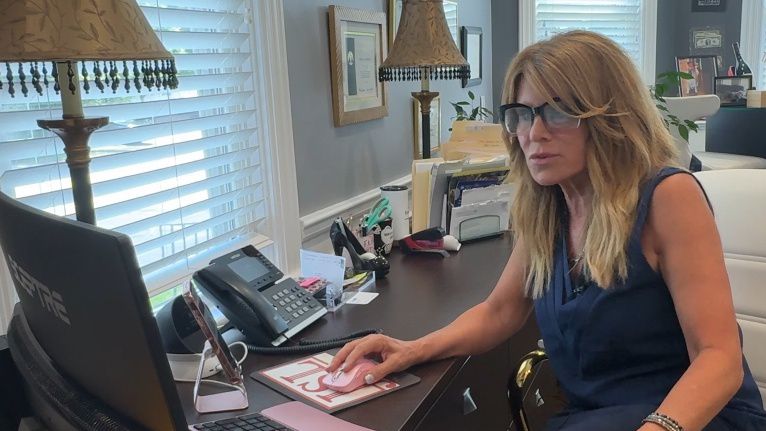
In Michigan’s 1st Congressional District, Democratic candidates Callie Barr, Kyle Blomquist, and Wayne Stiles are navigating a landscape defined by stagnating wages and deteriorating local infrastructure. According to 9and10news, these candidates have identified the affordability of daily life as a primary concern for their constituents. As early in-person voting begins on Saturday, 25 July 2026, the candidates are offering varying approaches to the high cost of necessities. Barr highlights the burden of rising gas and grocery prices, while Blomquist argues that rural communities have been withering on the vine
due to the commodification of housing and the loss of local hospital systems. Stiles points toward systemic issues, suggesting that money in politics is the root cause of the current economic dysfunction.
Media additions
These local struggles reflect a broader national pattern of energy insecurity. The Spectrumlocalnews coverage of Dutchess County highlights residents struggling with bills exceeding $600 to $1,000 monthly. While utility companies often cite supply, demand, and necessary grid upgrades as drivers for these costs, local advocates continue to push back against the scale of these increases.
The structural challenges driving these price hikes are complex. Analysts at Metropolitandigital explain that while aging infrastructure and extreme weather require significant investment, electricity demand is being pushed to new heights by the expansion of data centers, the adoption of electric vehicles, and the move toward electric heat pumps. Regional grid operators, such as PJM, are also struggling with a backlog of new power plants waiting to connect to transmission lines, a bottleneck that limits supply at a time when demand is accelerating.
Key Factors Contributing to Rising Costs
- Infrastructure Upgrades: Utilities are passing on the costs of burying and reinforcing power lines to protect against severe weather.
- Increased Demand: The growth of AI-supporting data centers, alongside the transition to electric heating and transportation, is straining grids.
- Market Bottlenecks: Long delays in connecting new, clean-energy power plants to existing grids have limited supply growth.
- Regional Management: Wholesale energy markets coordinate electricity across multiple states, making local control over supply difficult for individual states.
Policy responses vary significantly. In Pennsylvania, Gov. Josh Shapiro filed a legal complaint against PJM in December 2024, targeting the design of capacity auctions which were identified as a source of unnecessary costs. This resulted in a settlement to lower price caps at future auctions, though experts warn this is merely a temporary fix that does not address the fundamental need for infrastructure modernization.
In Michigan, the proposed solutions from congressional candidates include more direct government intervention. Blomquist advocates for a moratorium on data centers and a shift toward publicly owned and operated utilities to bypass the monopolies he claims dictate the pace of regional development. Barr calls for stronger regulation on data centers, emphasizing the need to protect the district’s water supply and ensure energy costs remain manageable for residents. Stiles suggests that federal investment in infrastructure, such as water and electric systems, would create an environment where local entrepreneurs can revitalize derelict properties.
What to Watch Next
- Michigan Primaries: Early voting for the 1st District begins Saturday, 25 July 2026, with the primary election on 4 August 2026.
- New York Rate Decisions: The Public Service Commission is set to rule on pending rate hike proposals, which will determine the immediate path for consumer utility bills.
- Grid Reform: Further developments in the PJM interconnection queue and regional capacity auction caps will be critical in determining whether the temporary relief seen in Pennsylvania will persist.
How significant is this development?
Contribute your assessment to the aggregated reader sentiment ledger.
Frequently Asked Questions
Key questions answered in this reportWhat is the key development in: Meet the Democrats running in Michigan’s 1st Congressional District?
Candidates in Michigan's 1st Congressional District are highlighting economic concerns as voters prepare for the primary election on 4 August 2026.
Why is this Cost of Living development significant for the UK?
This report covers critical events in our Cost of Living beat. Independent reporting monitors related UK statements, regulatory shifts, and public responses as further verified details emerge.
How was this reporting corroborated and verified?
Newsarchy UK compiles and cross-references reporting from primary reporting from 9and10news.com and cross-checked wire reports. All coverage adheres to published editorial standards.
When was this report published?
This briefing was published on July 18, 2026 and is permanently cataloged in the Newsarchy UK Cost of Living archives.