Kimono veteran reveals the hidden downsides of traditional Japanese wear
After 15 years of daily practice, kimono instructor Marina Deshiko is breaking the silence on the hidden physical and financial realities of traditional Japanese wear.
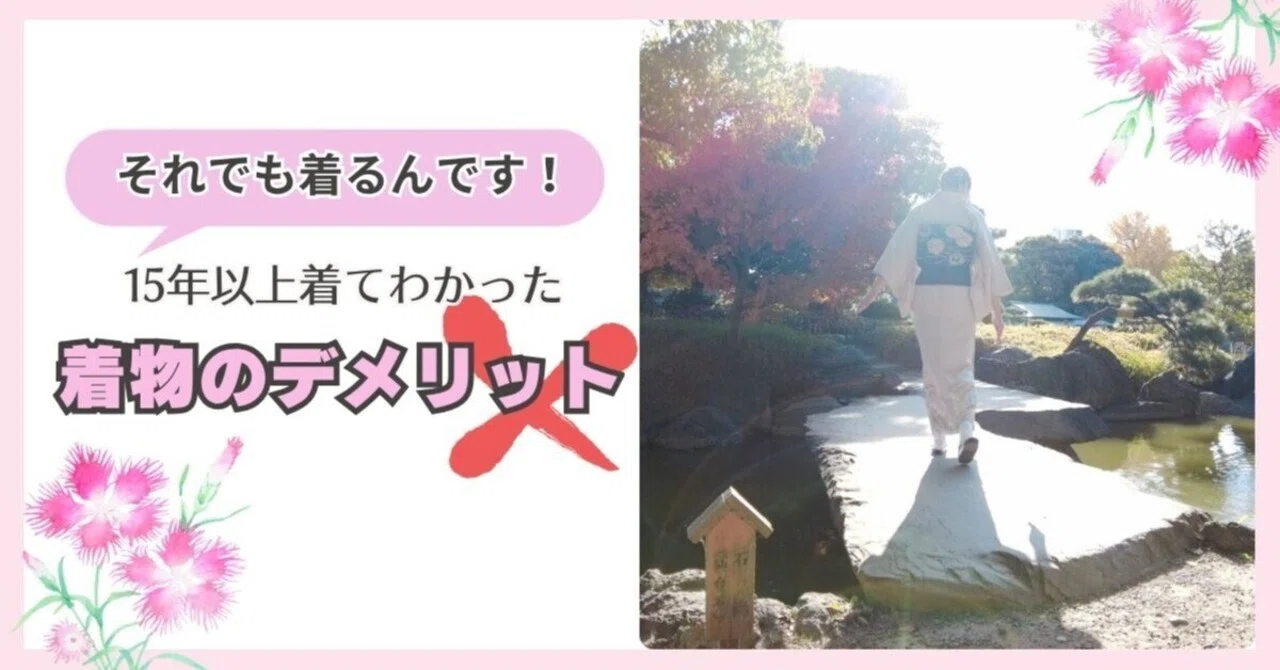
A veteran kimono wearer with more than 15 years of daily practice has broken the silence on the garment's practical drawbacks, revealing that the romanticised image of traditional Japanese dress conceals weight, heat, restricted movement and maintenance costs that surprise even dedicated enthusiasts.
Marina Deshiko, who teaches kimono dressing, etiquette and shopping through Street Academy in Saitama Prefecture, published a candid account of six disadvantages she says only become apparent after years of regular wear. Her testimony arrives as interest in traditional clothing grows internationally, yet practical guidance remains scarce outside Japan.
Media additions


The mechanics of dressing
The first barrier is structural. A kimono is secured not with buttons or zippers but with a koshihimo — a cloth strip roughly 3 cm wide — and an obi sash 15–30 cm wide. Both must be tied to the body at precise tension. "If you tie it too tightly, it digs into your body, which is painful and uncomfortable. On the other hand, if you tie it too loosely, it will come undone, which would be embarrassing," Deshiko writes. Finding the balance took her years.
The dressing sequence alone involves four layers: undergarments, juban (under‑kimono), the kimono itself, and the obi. Each step requires aligning collars right‑over‑left, smoothing wrinkles, and tying waist cords. Deshiko notes that even a relatively simple yukata takes beginners 30–45 minutes; advanced wearers need 10–20 minutes. Western clothing, by contrast, goes on in minutes.
She also addresses a common misconception: that the tightness prevents eating. "Kimono are uncomfortable, so you can't eat, right? I am often misunderstood like this, but that is not the case at all," she writes. After learning the proper tension, she attended a buffet and returned for seconds and thirds while a stranger stared in disbelief. The restriction, she insists, is a matter of technique, not design.
Weight and thermal reality
Silk kimonos, known as shoken, are heavier than they appear. "The better the quality, the heavier it is," Deshiko observes. The same holds for formal obi. A full formal ensemble places a noticeable load across the shoulders and torso.
Thermal comfort defies seasonal expectations. Summer yukata trap heat around the midsection where the obi sits. Winter furisode feel warm outdoors but become stifling indoors because modern heating systems far exceed the drafty interiors for which kimono were designed. "Traditional Japanese houses were built with an emphasis on living comfortably in the summer rather than the winter, so there were drafts and it was cold even indoors," she explains. The obi kept the stomach warm year‑round in that context; today it creates a heat pocket.
Footwear and gait
Traditional zori or geta sandals require a specific walking technique: the thong sits between the big and second toes with a finger's width of space, the heel hangs off the back, and the wearer grips the thong with each step. Done correctly, Deshiko says, the thong never rubs, she has climbed long stone staircases at shrines without pain. Yet many find zori difficult and switch to sneakers, a choice she discourages. "Pumps with heels were worn by noble princesses in the Meiji and Taisho eras to match their kimonos, and boots were worn by schoolgirls with their hakama. So, please go with pumps or short boots!"
Maintenance economics
Silk kimono cannot be machine‑washed. Water causes staining and shrinkage. Professional cleaning is the only option, and Deshiko warns the fees are high enough that "if I took it to the cleaners every time I wore it, I'd go bankrupt." Severe stains may never fully release. Her workaround: after a day's wear, hang the garment on a kimono hanger in a shaded, ventilated area for several hours before storing. Cotton, linen and polyester kimono can go in a laundry net on a gentle cycle.
Why the silence?
Deshiko acknowledges the irony. Her stated mission is "to raise as many women as possible to be Yamato Nadeshiko with confidence and pride", a cultural ideal of graceful, capable Japanese womanhood. Publishing the downsides risks undermining that goal. "Oh no, I've done it... I have gone and shared six downsides of kimono," she writes. But she insists the benefits outweigh the drawbacks and points readers to a companion piece on the advantages.