3 Business Credit Card Mistakes That Could Hurt Your Personal Credit
Business credit cards are often marketed as separate from personal finances, but signing a personal guarantee exposes your credit score to serious risks.

Careless management of business credit accounts can quietly inflict lasting damage on an owner's personal credit score, according to personal finance writer Joel O'Leary via Fool. Card issuers frequently market business products as entirely separate financial entities equipped with distinct limits and rewards designed to keep personal profiles insulated, but this separation is largely a marketing illusion. The primary vulnerability stems from the personal guarantee required by most small business credit card applications, which legally binds the applicant's name and Social Security number to the plastic so that if the business falters and defaults on its balance, the debt falls directly onto the individual.
Late payments present an immediate hazard. While many issuers typically withhold reporting routine business activity to consumer credit bureaus, falling seriously behind often triggers personal reporting. Because payment history accounts for a substantial share of a FICO Score according to FICO, a single severe late mark can linger for years. Furthermore, certain issuers report all monthly account activity rather than just negative events. A high balance on a business card can sharply elevate personal credit utilization ratios if reported to the bureaus, dragging down scores even when bills are paid on time. Finally, the application process itself carries risks. Most business credit card applications trigger a hard inquiry on personal credit reports, and while a single inquiry causes minimal disruption, stacking multiple applications in a brief window can signal financial distress to lenders.
Media additions

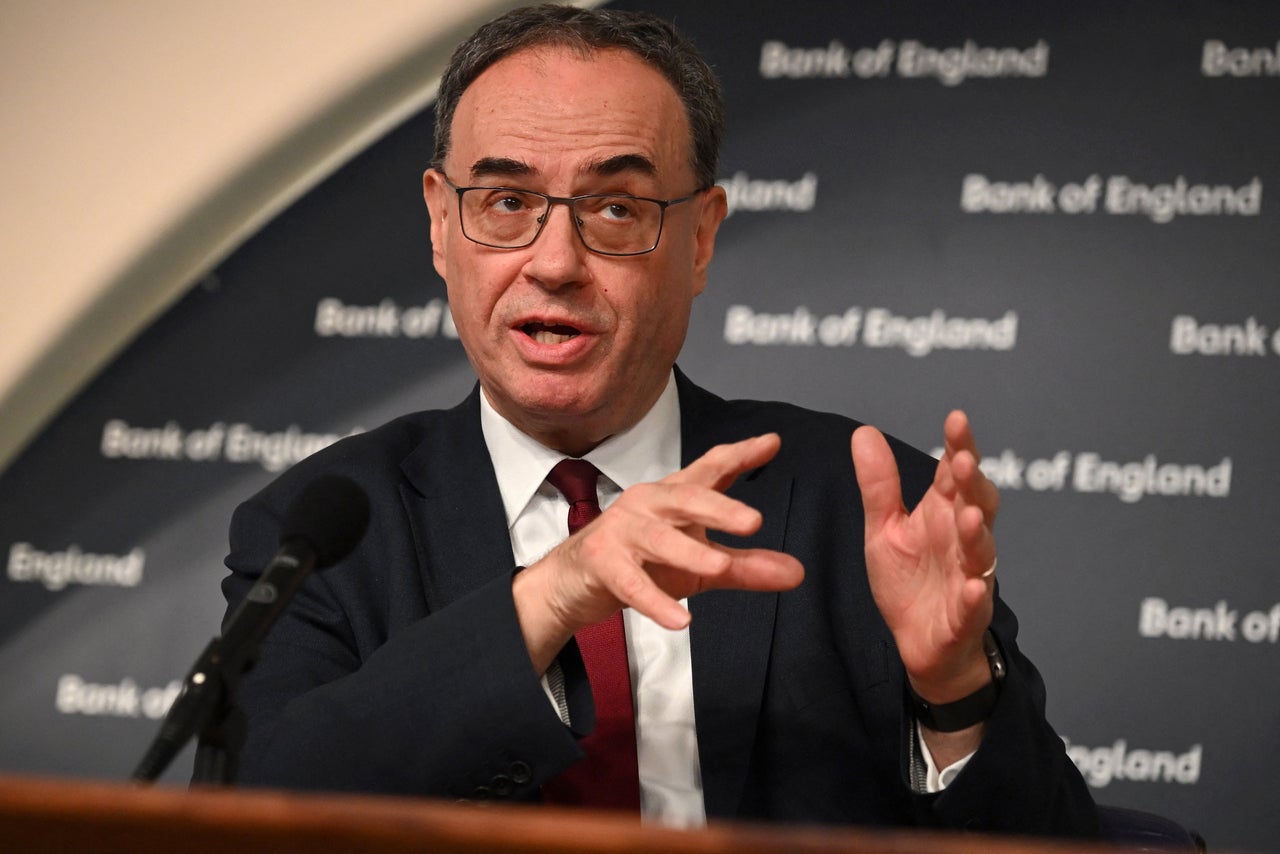

These credit card warnings arrive amid a broader economic squeeze across the UK, where households grapple with soaring borrowing expenses, volatile energy bills, and shifting tax policies. As detailed in Aol reporting, Bank of England Governor Andrew Bailey has cautioned that financial institutions are likely to pass on the costs of a government tax hike to consumers. Chancellor John Healey's decision to double the banking corporation tax surcharge is designed to raise additional revenue for household support, but central bank leadership warns banks will seek to protect their target rates of return by adjusting customer pricing. This potential cost-passing compounds existing pressures from elevated borrowing costs. Following decisions by the Bank to hold the base rate, millions of homeowners facing maturing fixed-rate deals confront substantially higher monthly repayments. According to financial stability assessments, households remortgaging onto higher rates face average monthly increases, while hundreds of thousands of borrowers face surges exceeding hundreds of pounds a month. Concurrently, average annual energy bills are projected to climb significantly due to ongoing geopolitical conflict and wholesale market disruptions in the Middle East, with energy regulator Ofgem's price cap affecting household bills as reported by the BBC.
Within the banking and credit sectors, organizations such as StepChange report increased demand for debt support as households contend with accumulated borrowing. As consumers navigate these intersecting pressures, policymakers continue to monitor inflation dynamics driven largely by cost-push factors from global energy disruptions.
What to Watch Next
- 17 December 2026: The Bank of England announces its next base rate decision.
- January 2027: The banking corporation tax surcharge increase takes effect, alongside projected spikes in household energy bills.
- Mid-2027: Projected timeline for inflation to potentially peak.