UK economy expands 0.7% in third quarter as AI provides extra engine of growth
The UK economy expanded by 0.7% in the third quarter, driven primarily by the dominant services sector and artificial intelligence activities.

The UK economy expanded by 0.7% in the third quarter, in line with Reuters estimates, according to data from the Office for National Statistics published on Thursday morning. The performance marked an acceleration from the 0.5% growth recorded in the previous quarter and 0.6% in the first three months of the year, bringing year-on-year growth to 1.9% for the three months leading to September. Finance minister John Healey stated in a statement that the country was demonstrating standout resilience despite global headwinds, noting that the economy was growing at its fastest rate in almost ten years outside of the pandemic. Prime Minister Andy Burnham added that the figures brought hope for the future.
Growth was propelled primarily by the dominant services sector, which surged by 0.9% in the quarter. This expansion successfully offset a modest 0.1% increase in output within the production sector and a 0.7% contraction in construction. Within services, information and communication acted as a key driver, expanding by 2.1%. Officials at the Office for National Statistics noted that this industry had served as the largest driver of GDP growth across the year, with businesses reporting the largest turnover increases heavily involved in artificial intelligence and cloud computing activities. However, officials cautioned that quantifying the exact impact remains challenging due to data collection methods.
Media additions


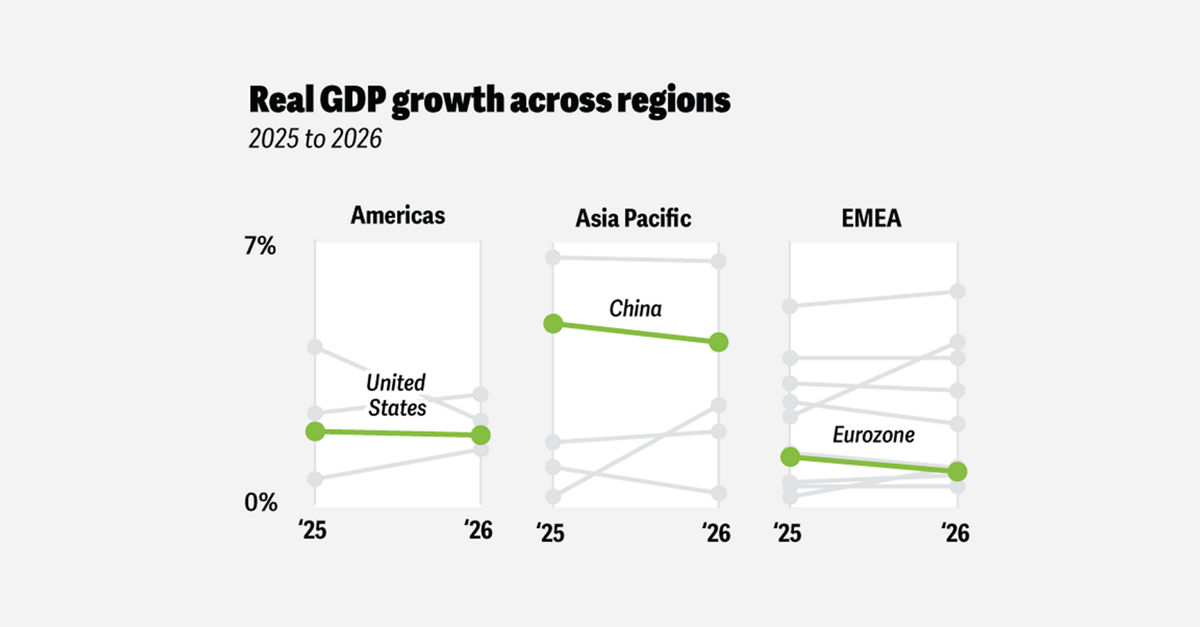
September alone delivered 0.2% month-on-month growth, beating expectations of a flat reading and rebounding from zero growth in August, which had been captured in revised figures. Despite these domestic gains, market reactions remained subdued. The British pound dipped 0.2% against the U.S. Dollar and stayed flat against the euro, while yields on UK government bonds showed little movement.
Analysts and economists warned that the economy's strength faces upcoming tests. Scott Gardner, investment strategist at J.P. Morgan Personal Investing, noted that while the figures proved resilient against geopolitical shocks stemming from the conflict involving the United States and Iran, subsequent readings would face pressure from Autumn Budget nervousness and ongoing Middle East uncertainties. Suren Thiru, chief economist at the Institute of Chartered Accountants in England and Wales, observed that businesses ramped up investments in infrastructure, technology hardware, and computer programming to strengthen operational resilience and harness artificial intelligence as an extra engine of growth.
Thiru argued that these robust figures kept a December interest rate rise firmly on the table by reinforcing policymakers' view that the economy can absorb higher borrowing costs. Last week, the Bank of England raised interest rates for the first time in three years, warning of potential further hikes if the conflict involving the United States and Iran continues without resolution. Annual inflation climbed to 3.5% in September, with central bank warnings pointing toward inflation rising to around 5% by mid-2027. Markets are currently pricing in a 73% probability of another rate hike at the final monetary policy meeting in December, according to LSEG data cited by CNBC.
Broader European comparisons highlight divergent regional trajectories across the continent. According to the EY European Economic Outlook, euro area GDP expanded by 0.3% quarter-on-quarter in both the first and second quarters, supported by resilient global trade, artificial intelligence-related demand, and fiscal expansion in Germany. At the same time, ING Think reported that French industrial momentum is fading due to declining manufacturing output and sluggish domestic demand, noting that weak household sentiment continues to weigh on the French services sector. Globally, organizations such as Deloitte have tracked how technology investments, artificial intelligence frontiers, and shifting trade barriers influence macroeconomic stability.
What to watch next
- Monthly and quarterly gross domestic product updates published by the Office for National Statistics
- The upcoming Autumn Budget announcements and their subsequent effect on business and consumer confidence
- Developments surrounding the Middle East conflict and potential impacts on global energy prices and supply chains
- The final Monetary Policy Committee meeting of the year, where the Bank of England will decide on benchmark interest rates