Iran weighs breaking US naval blockade as oil revenues face drop to zero
Iran considers challenging the US naval blockade as economic data projects its crude oil revenues will drop to zero by mid-December.
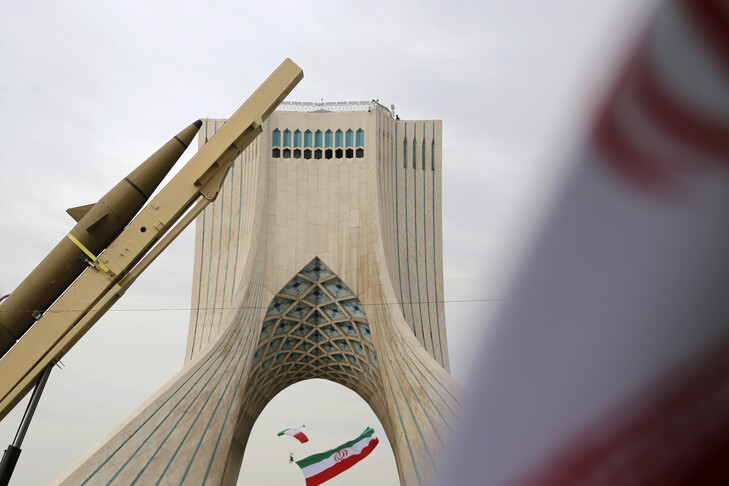
Iran is weighing a direct challenge to the American naval blockade as its crude oil revenues face a historic drop to zero.
Hardline commentators and outlets close to the Islamic Revolutionary Guard Corps are urging Tehran to dispatch an oil tanker convoy through the embargo, according to Albeu.
Media additions


The urgency behind Tehran's deliberations stems from dire economic forecasts. Energy intelligence firm Kpler projects that Iran's revenues from crude oil and condensate exports could plummet to zero by mid-December, marking a first in the nation's history, as reported by Radio Free Europe/Radio Liberty. Data from Kpler shows that Iranian oil volumes sitting on water outside the blockade zone fell from a peak on July 14 to zero by mid-October, while roughly 43 million barrels remain trapped inside the blockade perimeter.
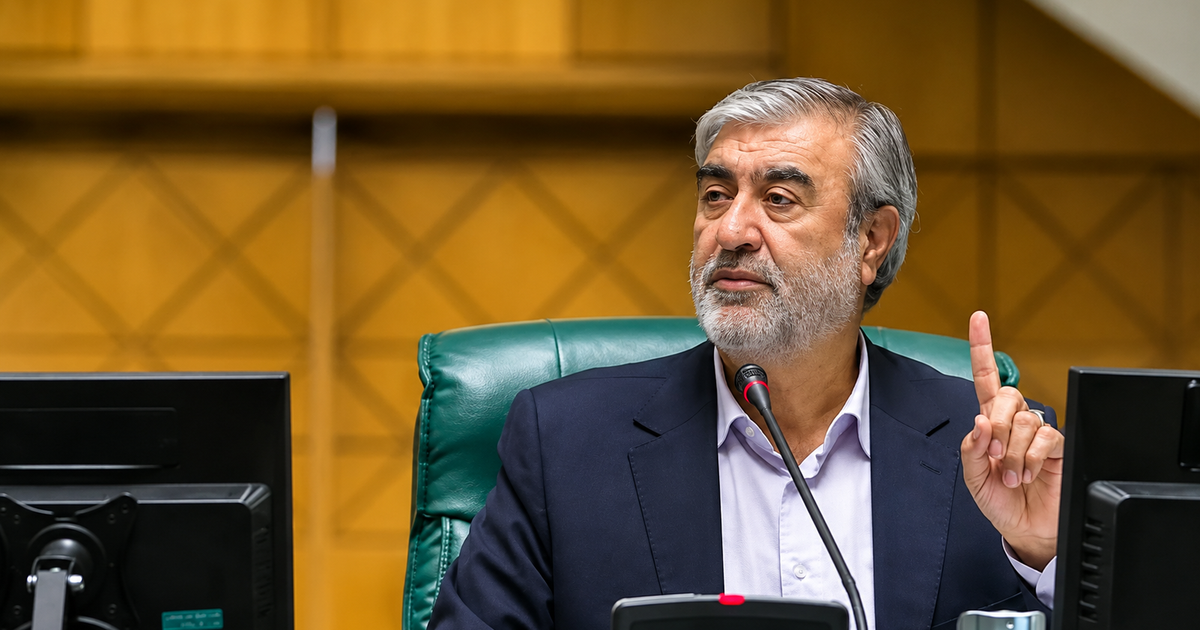
Hard-liners have seized upon these figures to demand action. On November 19, the IRGC-linked Fars News Agency published a commentary invoking the national epic Shahnameh to argue that Tehran should force its way through the maritime barrier. IRGC spokesman Hossein Mohebbi echoed this defiant stance at a Tehran rally, declaring that Iran would not allow the ongoing blockade to persist. Meanwhile, Ebrahim Azizi, head of parliament's national security committee, asserted that Iran cannot be blockaded and threatened that the United States would pay a price for its military actions, according to Iranintl.
Not all Iranian officials and analysts share the immediate expectation of a breakout attempt. Homayoun Falakshahi, a senior commodities markets analyst at Kpler, told Radio Farda that it remains too early to confirm organized steps to breach the blockade, noting that dozens of tankers remain stationary near Kharg Island.
At the same time, Tehran has carved out strategic exemptions to the Strait of Hormuz restrictions. According to Al Jazeera, senior Iranian lawmaker Amir Hayat Moqaddam stated that ships from India, China, Iraq, and Qatar have been granted free passage. Analysts note that these exemptions allow Iran to secure vital medical supplies from India, political backing from China, and diplomatic mediation from Qatar, while simultaneously collecting transit fees.
| Metric / Event | Estimated Figure / Status | Source Attribution |
|---|---|---|
| Projected Oil Revenue Timeline | Revenues heading toward zero around mid-December | Kpler via Albeu / RFE/RL |
| Trapped Oil Inside Blockade | 43 million barrels | Kpler via Albeu / RFE/RL |
| Daily Cost of U.S. Blockade Operation | ~$32.5 million per day | U.S. Senator Elizabeth Warren / Bloomberg |
| Total Cost of Iran War (Pentagon) | $48.3 billion (as of November 13) | Pentagon via Albeu / RFE/RL |
| Estimated Daily Lost Potential Oil Revenue | $200 million to $250 million per day | Kpler via Albeu / RFE/RL |
The financial and material toll on the enforcing powers is considerable. Bloomberg and Senate testimony indicate that the U.S. Blockade consumes over thirty percent of the U.S. Navy's warships and costs approximately $32.5 million daily, a figure confirmed by acting Navy Secretary Hung Cao.
What to watch next
- Monitor mid-December shipping data from Kpler to see if Iranian oil export revenues officially reach zero.
- Observe whether stationary tankers near Kharg Island attempt coordinated movements or if ship-to-ship transfers increase.
- Track upcoming diplomatic signals regarding U.S.-Iran peace negotiations mediated by Pakistan.