UK food prices set for 50% rise as climate and energy shocks hit costs
New research from the ECIU warns that climate-driven environmental pressures and volatile energy markets are driving a rapid increase in food inflation.
- Core Development: New research from the ECIU warns that climate-driven environmental pressures and volatile energy markets are driving a rapid increase in food inflation.
- Beat Context: Categorized under Cost of Living with independent corroboration.
- Reporting Depth: 3 minute analytical read synthesized from verified newsroom sources.
UK households are facing a projected 50 per cent increase in food prices by November 2026, when compared to the levels observed at the start of the cost-of-living crisis in mid-2021. Research released by the Energy and Climate Intelligence Unit (Eciu) characterises this trajectory as a "grim milestone," indicating that the rate of price growth experienced over nearly two decades prior to the crisis has been compressed into just over five years. This development represents a near-quadrupling of the historical pace of food inflation.
Structural Pressures on the Food System
The Eciu identifies a convergence of structural pressures as the primary drivers of this accelerated inflation. Extreme weather events linked to climate change, global supply chain disruptions, and a persistent reliance on volatile oil and gas markets have left the UK food system increasingly vulnerable to external shocks. These factors, alongside the rising costs of synthetic fertilisers and transport, have significantly impacted the affordability of basic grocery staples.
Media additions
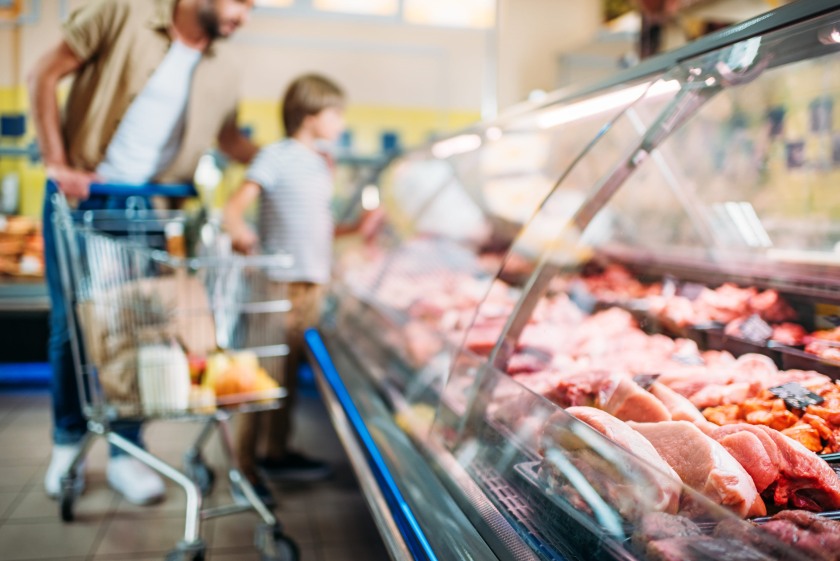
Analysis of price data confirms substantial surges across a range of common items. Since the onset of the crisis, the following staples have experienced sharp price increases:
- Olive oil: Up 113 per cent
- Beef: Up 64 per cent
- Eggs: Up 59 per cent
- Chocolate: Up 58 per cent
- Frozen vegetables: Up 55 per cent
- Pasta: Up 50 per cent
Furthermore, the ECIU highlights butter, milk, beef, chocolate, and coffee as products currently exerting significant upward pressure on inflation. Prices for these specific goods are rising more than four times faster than other food and drink categories. Energy-related expenses played a major role in recent years, accounting for £244 of the average £605 rise in household food bills recorded during 2022 and 2023.
Geopolitical and Environmental Risks
Future projections for food inflation remain concerning due to the interaction of ongoing geopolitical conflicts and environmental instability. Analysts suggest that the war in the Middle East is likely to drive shopping bills higher by causing spikes in oil and gas prices. The Bank of England has said food inflation is expected to rise to 7% by the end of the year because of higher prices for fertiliser, energy and transport.
Environmental pressures are equally significant. England has endured three of its worst harvests on record within the last five years, and scientists are predicting that 2027 could become the hottest year on record due to the impact of climate change combined with the El Niño effect.
"Unless we get to net zero emissions to stop climate change and bring balance to the system, food prices will spiral ever further, but net zero also means burning less oil and gas, so insulating our food system from the kind of price spikes we’ve been seeing since Russian invaded Ukraine."
Chris Jaccarini, food and farming analyst, via ECIU
Impact on Household Budgets
The persistent nature of food inflation continues to strain disposable incomes, particularly when adjusted for average wages. The ECIU calculates an 11 per cent real-terms rise in food prices since the start of the crisis. This compounds the financial burden of other largely unavoidable expenses, such as energy, water, and insurance bills.
"Food prices rising this high and this fast leaves families on the lowest incomes with nowhere left to cut except the food on their plate. When that happens, people skip meals, children go hungry, and diet-related illness rises – taking parents out of work and piling pressure on an NHS that can least afford it."
Anna Taylor, executive director, Food Foundation, via ECIU
Data from the Waste and Resources Action Programme (Wrap) indicates that while households have slightly reduced self-reported waste of staples such as bread, milk, chicken, and potatoes since 2024, food waste remains a significant concern, with the average household throwing away £1,000 worth of edible food each year.
How significant is this development?
Contribute your assessment to the aggregated reader sentiment ledger.
Frequently Asked Questions
Key questions answered in this reportWhat is the key development in: UK food prices set for 50% rise as climate and energy shocks hit costs?
New research from the ECIU warns that climate-driven environmental pressures and volatile energy markets are driving a rapid increase in food inflation.
Why is this Cost of Living development significant for the UK?
This report covers critical events in our Cost of Living beat. Independent reporting monitors related UK statements, regulatory shifts, and public responses as further verified details emerge.
How was this reporting corroborated and verified?
Newsarchy UK compiles and cross-references reporting from primary reporting from whatsthegrocerybill.com and cross-checked wire reports. All coverage adheres to published editorial standards.
When was this report published?
This briefing was published on July 12, 2026 and is permanently cataloged in the Newsarchy UK Cost of Living archives.