UK inflation holds steady at 2.8 percent in May despite energy price rises
UK inflation held steady at 2.8% in May 2026, as a deceleration in food price growth countered significant upward pressure from the transport sector.
- Core Development: UK inflation held steady at 2.8% in May 2026, as a deceleration in food price growth countered significant upward pressure from the transport sector.
- Beat Context: Categorized under Cost of Living with independent corroboration.
- Reporting Depth: 3 minute analytical read synthesized from verified newsroom sources.
UK inflation held steady at 2.8% in the 12 months to May 2026, defying market expectations of a rise to 3%. The latest data from the Office for National Statistics (ONS) indicates that while the broader economy continues to face pressure from global conflicts, the rapid deceleration of food prices has effectively countered upward movements in the transport sector.
This reading of 2.8% remains consistent with the figure recorded in April 2026. The Guardian reports that this unexpectedly benign outcome has provided a measure of stability for the government’s economic outlook, even as geopolitical tensions in the Middle East influence global commodity flows.
Media additions



Key Drivers of Price Movement
The stability in the overall rate reflects a complex interplay between competing price pressures. According to Grant Fitzner, chief economist at the Ons, the most significant upward pressure originated from the transport division, which saw an annual inflation rate of 6.8%—the highest recorded since December 2022. This spike was driven by rising costs for motor fuels, vehicle taxes, and air fares. Specifically, motor fuel prices were 24.6% higher in May 2026 than in the same month the previous year.
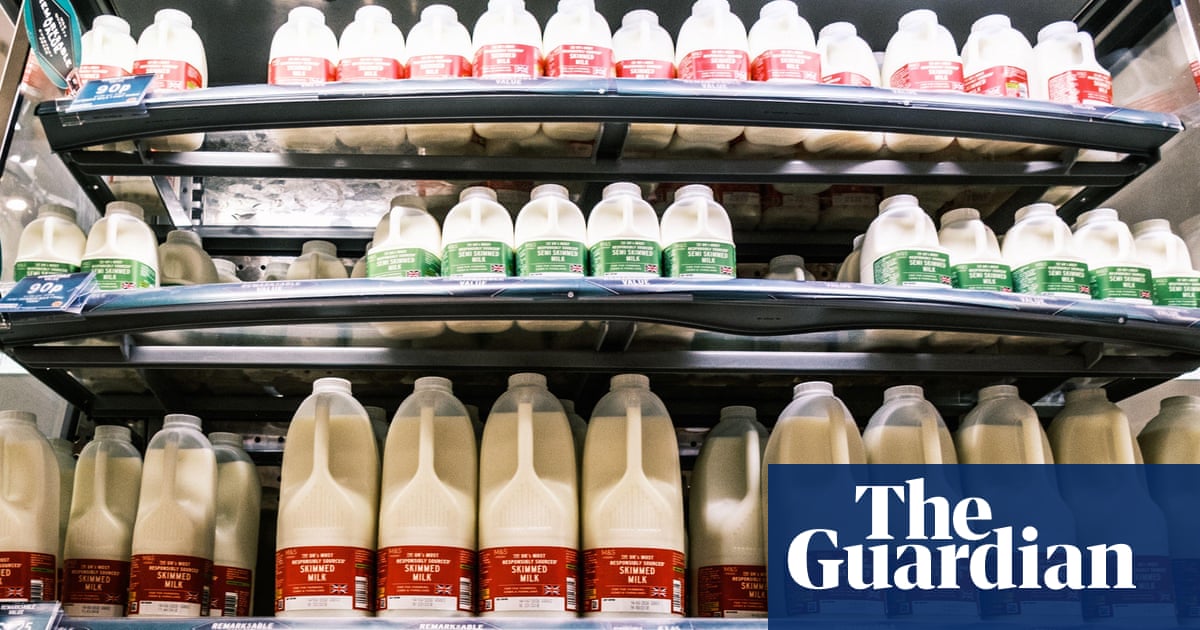
Conversely, the downward force came from the food and non-alcoholic beverages sector. Food price inflation eased to 2.2% in May, representing the lowest rate since December 2024. As the Bbc notes, the Food and Drink Federation indicated that current retail prices have yet to fully account for the supply chain disruptions caused by the closure of the Strait of Hormuz, with many businesses still operating under long-term contracts that mask the true cost of ingredients and energy.
Policy Implications and Interest Rates
The data release arrived as the Bank of England’s Monetary Policy Committee prepared to set interest rates on Thursday. The softening of inflation has led many market analysts to suggest that the central bank will likely maintain the core interest rate at 3.75%. Yael Selfin, chief economist at KPMG UK, stated that the figures strengthen the case
for holding rates steady, as underlying pressures have yet to show definitive signs of escalation.
Despite this, the broader outlook remains cautious. While the peace agreement reached between the United States and Iran at the start of the week has provided hope for the reopening of key maritime trade routes, economists warn of a painful hangover
from the conflict. Suren Thiru, chief economist at the Institute of Chartered Accountants in England and Wales, suggested that supply chains and energy prices would require several months to normalize, potentially delaying any significant easing in inflation until late 2026.
Political and Economic Perspectives
The government and opposition parties remain divided over the implications of the latest figures:
- Government: Chancellor Rachel Reeves stated that the inflation reading validates the current economic plan, noting that the government is actively
protecting families and businesses from rising costs, with cuts in energy bills and freezes in fuel duty and rail fares.
- Opposition: Shadow Chancellor Mel Stride argued that prices are still rising too fast, claiming that previous policy choices left the UK vulnerable to the latest energy crisis.
What to Watch Next
As the UK navigates the second half of 2026, analysts are monitoring several critical indicators that may influence future cost-of-living trends:
| Indicator | Trend/Outlook |
|---|---|
| Energy Price Cap | Anticipated to have a sizeableupward impact on inflation when set by Ofgem in July. |
| Middle East Tensions | Analysts warn that if the US-Iran deal collapses, oil prices may rebound and reinstate upward inflationary pressure. |
| Services Inflation | Rose from 3.2% to 3.7%, a metric closely monitored for signs of wage pressure by Bank of England setters. |
How significant is this development?
Contribute your assessment to the aggregated reader sentiment ledger.
Frequently Asked Questions
Key questions answered in this reportWhat is the key development in: UK inflation holds steady at 2.8 percent in May despite energy price rises?
UK inflation held steady at 2.8% in May 2026, as a deceleration in food price growth countered significant upward pressure from the transport sector.
Why is this Cost of Living development significant for the UK?
This report covers critical events in our Cost of Living beat. Independent reporting monitors related UK statements, regulatory shifts, and public responses as further verified details emerge.
How was this reporting corroborated and verified?
Newsarchy UK compiles and cross-references reporting from primary reporting from bbc.co.uk and cross-checked wire reports. All coverage adheres to published editorial standards.
When was this report published?
This briefing was published on July 12, 2026 and is permanently cataloged in the Newsarchy UK Cost of Living archives.