UK households face continued financial strain from high rents and taxes
Despite cooling inflation, UK households are struggling with a permanent shift in price levels for housing and essentials. Rising tax burdens and stagnant income growth continue to erode financial stability.
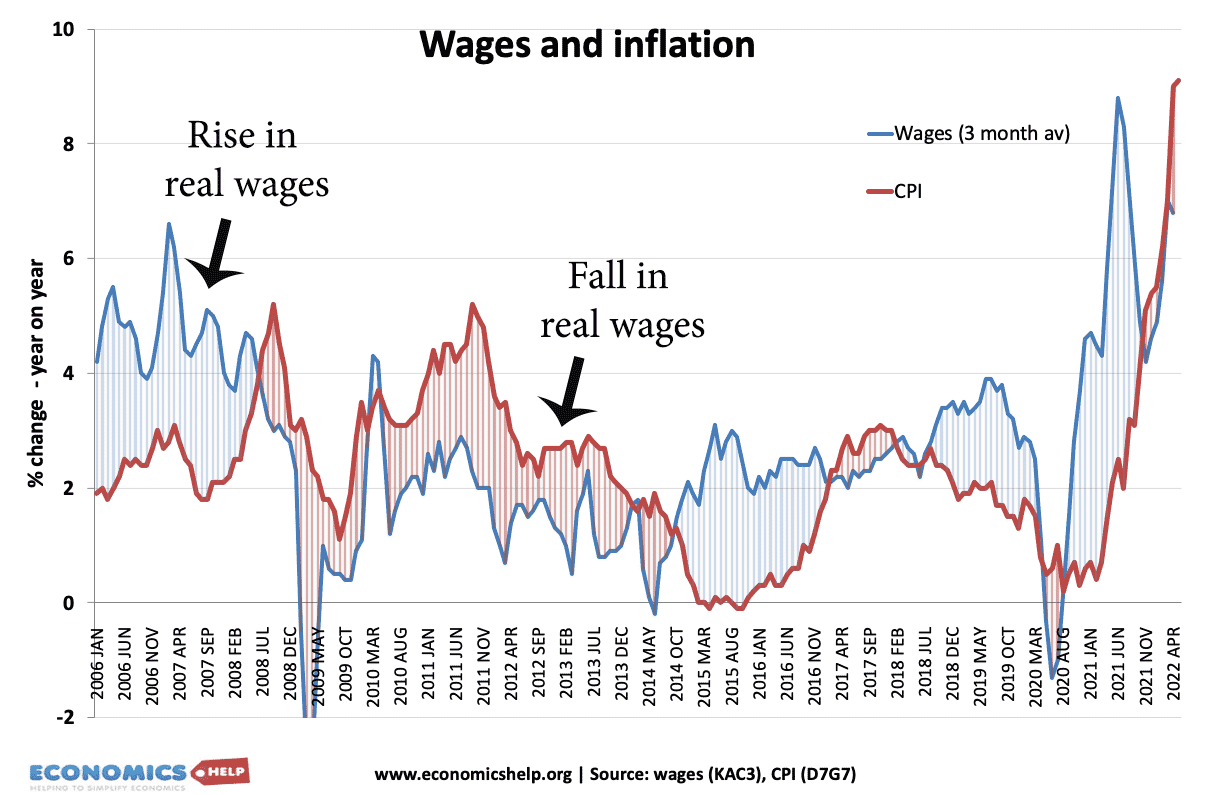
- Core Development: Despite cooling inflation, UK households are struggling with a permanent shift in price levels for housing and essentials. Rising tax burdens and stagnant income growth continue to erode financial stability.
- Beat Context: Categorized under Cost of Living with independent corroboration.
- Reporting Depth: 3 minute analytical read synthesized from verified newsroom sources.
UK households continue to grapple with a persistent financial strain that shows little sign of immediate relief, as rising essential costs — particularly in housing, energy, and food — outpace income growth. Despite macroeconomic indicators occasionally suggesting stability, the lived experience for many remains one of severe budgetary pressure.
The current landscape is defined by a deep-seated disconnect between broader economic reports and the daily reality of household finances. While some measures suggest that inflation is cooling, this represents only a slower rate of price increases, not a return to previous, more affordable price levels.
Media additions


Geopolitical Shocks and Regional Vulnerability
The cost of living crisis remains a central concern for policymakers and residents alike. As the causes of the cost of living crisis remain structural and complex, local authorities are under increasing pressure to deploy discretionary resources, such as heating support funds, to prevent a deepening of the hardship.
Housing and Taxation Pressures
Housing costs continue to be a primary driver of financial instability. In England, the cost of private renting has risen significantly in recent years, placing an immense burden on both first-time buyers and those trapped in the rental market. In major urban centers like London, the share of income consumed by rent has reached levels that threaten long-term budget sustainability. This is not a localized issue; globally, major cities are experiencing similar trends where supply has failed to keep pace with demand, pushing the cost of living index for residents in places like London to among the highest in the world.
Compounding this is the rising tax burden. Recent shifts in the fiscal environment, including the freezing of income tax thresholds, have pushed a greater number of households into higher tax bands. This reduction in disposable income, combined with the rising cost of essentials, has forced many families to rely on credit to cover basic needs.
The Disproportionate Impact on Households
Research continues to highlight that the burden of the crisis is not shared equally. Lower-income groups spend a significantly higher proportion of their earnings on essentials, food, energy, heating, and transport, than higher-income households. In other nations facing similar crises, such as South Africa, the situation is even more acute, where rising fuel costs have a direct, cascading effect on the price of food, electricity, and transport, leaving many workers unable to afford even a basic nutritious diet.
A further factor contributing to rising prices is the concentration of market power. Reports suggest that during recent years, a number of large corporations have increased profit margins despite the broader economic downturn.
What to Watch Next
- Wage and Inflation Data: While real wage growth has shown modest signs of life, economists remain cautious about whether these gains can be sustained without triggering further inflationary pressure or impacting employment levels.
As the Stanford Economic Review notes, even as inflation metrics moderate, the "price level" shock remains firmly in place. For millions, the challenge is not just the speed of price increases, but the fact that the cost of living has settled at a permanently higher plateau, necessitating ongoing, and likely increasing, support to prevent a further erosion of living standards.
How significant is this development?
Contribute your assessment to the aggregated reader sentiment ledger.
Frequently Asked Questions
Key questions answered in this reportWhat is the key development in: UK households face continued financial strain from high rents and taxes?
Despite cooling inflation, UK households are struggling with a permanent shift in price levels for housing and essentials. Rising tax burdens and stagnant income growth continue to erode financial stability.
Why is this Cost of Living development significant for the UK?
This report covers critical events in our Cost of Living beat. Independent reporting monitors related UK statements, regulatory shifts, and public responses as further verified details emerge.
How was this reporting corroborated and verified?
Newsarchy UK compiles and cross-references reporting from primary reporting from economicshelp.org and cross-checked wire reports. All coverage adheres to published editorial standards.
When was this report published?
This briefing was published on July 12, 2026 and is permanently cataloged in the Newsarchy UK Cost of Living archives.