UK inflation falls to 2.8% as energy bills drive April decline
UK inflation hit its lowest level in over a year at 2.8% as a reduction in the Ofgem energy price cap eased household costs. Analysts caution that rising producer input prices and global instability may lead to a temporary downward trend.
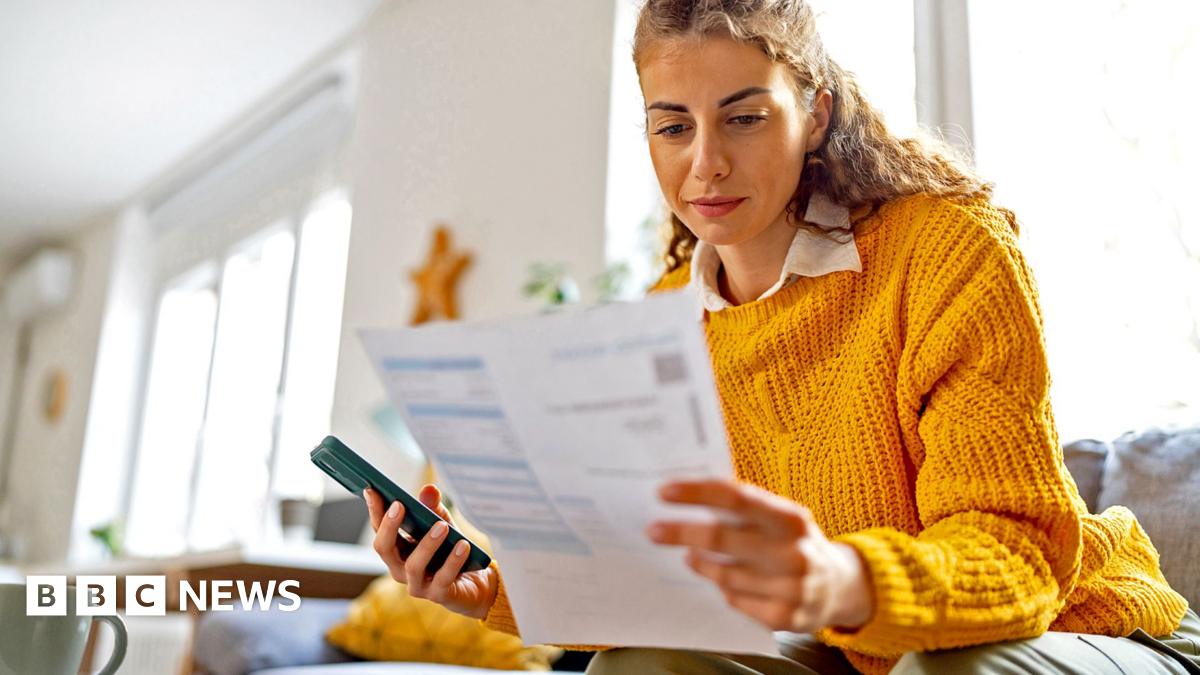
- Core Development: UK inflation hit its lowest level in over a year at 2.8% as a reduction in the Ofgem energy price cap eased household costs. Analysts caution that rising producer input prices and global instability may lead to a temporary downward trend.
- Beat Context: Categorized under Cost of Living with independent corroboration.
- Reporting Depth: 3 minute analytical read synthesized from verified newsroom sources.
UK inflation fell to 2.8 per cent in the year to April 2026, according to the Office for National Statistics (ONS). This decline from the 3.3 per cent recorded in March represents the lowest inflation level in over a year.
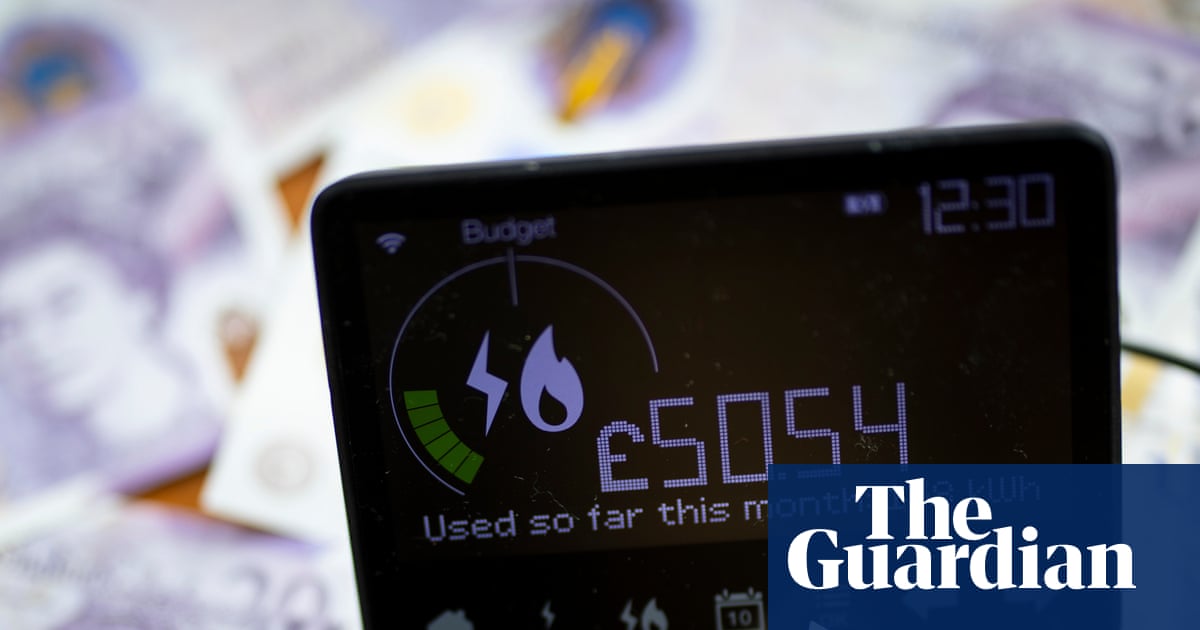
The easing of the headline rate was primarily driven by a 7 per cent reduction in the Ofgem energy price cap that took effect on 1 April. This change brought the typical annual dual-fuel bill for households paying by direct debit to £1,641, a reduction of £117 from the previous quarter. The decline in energy costs was supported by government policy decisions to shift certain green levies from household bills into general taxation, alongside lower wholesale energy prices observed prior to the escalation of the conflict in the Middle East.
Media additions


Additional downward pressure on the inflation rate came from smaller increases in water and sewage bills compared to the previous year, as well as a decline in air fares and package holiday prices. Food and non-alcoholic beverage price inflation also slowed to 3 per cent in the year to April, down from 3.7 per cent in March, with particular easing seen in the costs of chocolate and meat products.
The ONS reported that motor fuel prices saw a 23 per cent annual increase in April, the highest rate since September 2022. The average price of petrol reached 156.8p per litre, while diesel prices rose by 31.3p to reach 190.0p per litre during the month.
Economists and financial analysts warn that the current downward trend is likely to be a temporary interlude. Producer input prices—the costs factories pay for materials and fuel—rose by 7.7 per cent in the year to April, the sharpest increase since March 2023. ONS chief economist Grant Fitzner highlighted that the rising cost of raw materials and goods leaving factories remains a significant concern, as these increased production costs are expected to be passed on to consumers.
Yael Selfin, chief economist at KPMG, noted that the current rate is likely to be as low as it gets for some time. Similarly, Suren Thiru of the Institute of Chartered Accountants in England and Wales described the slowdown as a last interlude before the Iran war-induced inflation storm hits
.
In response to mounting financial pressures, the government is preparing further interventions. Prime Minister Keir Starmer has confirmed an extension to the 5p fuel duty cut, with Chancellor of the Exchequer Rachel Reeves expected to announce additional cost-of-living support packages.
"The war in Iran is not our war but one we will need to respond to, and the decisions I took in the Budget last year have kept inflation down as we deal with global instability. We have the right economic plan, and to change course now would risk our economic stability and leave working people worse off."
Rachel Reeves, Chancellor of the Exchequer
Shadow Chancellor Mel Stride welcomed the fall in inflation but criticised the government's management of the economy, stating that prices remain high and that the nation is vulnerable to international shocks.
Key Events and Indicators
- July: Anticipated adjustment of the Ofgem energy price cap, with forecasts suggesting a potential increase of up to 13 per cent.
How significant is this development?
Contribute your assessment to the aggregated reader sentiment ledger.
Frequently Asked Questions
Key questions answered in this reportWhat is the key development in: UK inflation falls to 2.8% as energy bills drive April decline?
UK inflation hit its lowest level in over a year at 2.8% as a reduction in the Ofgem energy price cap eased household costs. Analysts caution that rising producer input prices and global instability may lead to a temporary downward trend.
Why is this Cost of Living development significant for the UK?
This report covers critical events in our Cost of Living beat. Independent reporting monitors related UK statements, regulatory shifts, and public responses as further verified details emerge.
How was this reporting corroborated and verified?
Newsarchy UK compiles and cross-references reporting from primary reporting from moneyweek.com and cross-checked wire reports. All coverage adheres to published editorial standards.
When was this report published?
This briefing was published on July 4, 2026 and is permanently cataloged in the Newsarchy UK Cost of Living archives.


