UK inflation rises to 3.1% further complicates Bank of England meeting
UK inflation rose to 3.1% in August due to soaring fuel and energy costs, increasing pressure on policymakers as they prepare their interest rate decision.
- Core Development: UK inflation rose to 3.1% in August due to soaring fuel and energy costs, increasing pressure on policymakers as they prepare their interest rate decision.
- Beat Context: Categorized under Cost of Living with independent corroboration.
- Reporting Depth: 4 minute analytical read synthesized from verified newsroom sources.
UK inflation climbed to three point one per cent in August, moving further above the central bank's target and ratcheting up pressure on policymakers as they prepare to deliver their latest interest rate decision. The headline figure, released by the Office for National Statistics, marks an acceleration from July's two point nine per cent rate and reaches its highest level in five months, driven primarily by soaring crude oil and transport costs stemming from geopolitical conflict in the Middle East.
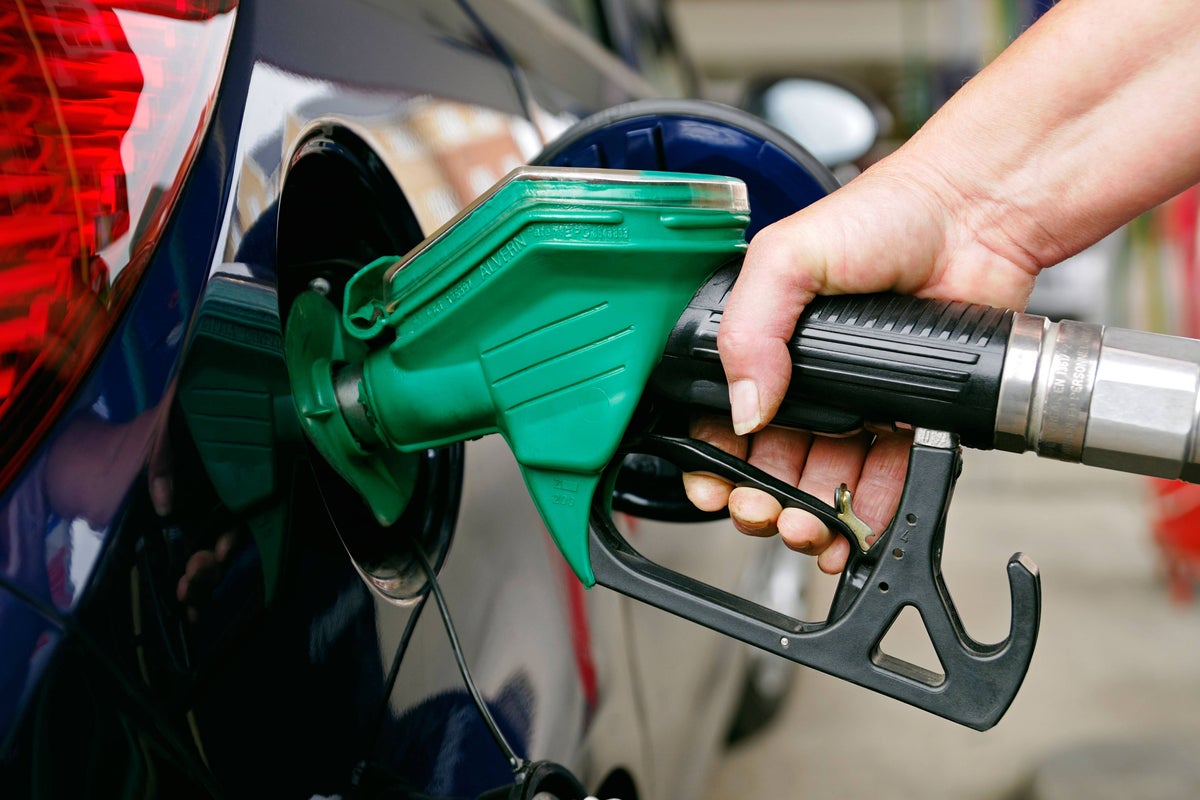
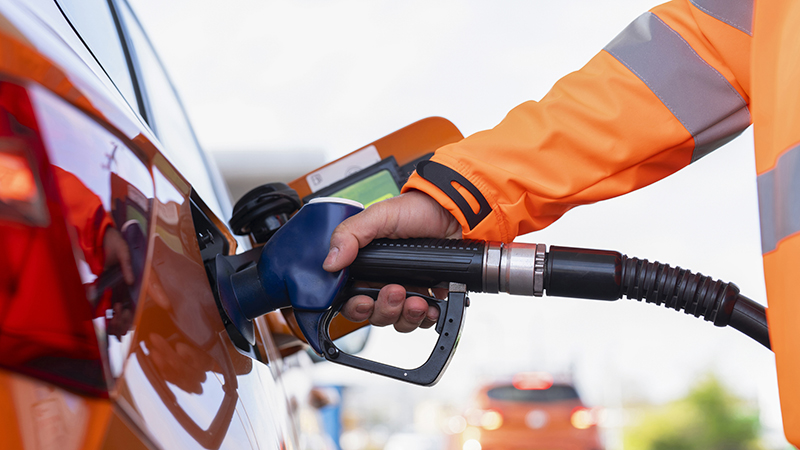
The acceleration exceeded the Bank of England's own forecast of two point eight per cent, though it matched broader consensus expectations among economists. According to official data, motor fuel prices soared twenty-three per cent compared with a year earlier. Petrol jumped nine point one pence a litre during August to an average of one hundred and sixty-one point three pence, while diesel surged fourteen point two pence to an average of one hundred and eighty-one point eight pence a litre, reaching levels not consistently seen since two thousand and twenty-two.
Media additions



Grant Fitzner, chief economist at the ONS, noted that sharp price rises for petrol and diesel pushed inflation up again, alongside higher long-haul airfares which climbed six point two per cent between July and August.
Despite the headline spike, underlying domestic price measures remained remarkably resilient. Core inflation, which strips out volatile energy, food, alcohol, and tobacco, held steady at two point six per cent for a fourth consecutive month. Services inflation, watched closely by the Monetary Policy Committee as an indicator of domestic cost pressures, remained unchanged at three point four per cent, while food inflation hovered at one point three per cent.
This dichotomy has left the nine-member Monetary Policy Committee divided. At their previous meeting, the committee voted six to three to maintain the Bank Rate at three point seven five per cent, with Huw Pill, Megan Greene, and Catherine Mann dissenting in favour of a twenty-five basis point hike. Financial markets and economic forecasters widely expect the central bank to maintain a cautious wait-and-see approach, keeping rates at three point seven five per cent.
| Inflation Measure | July Rate | August Rate | Key Driver / Context |
|---|---|---|---|
| Headline CPI | 2.9% | 3.1% | Driven by motor fuels and energy costs |
| Core CPI | 2.6% | 2.6% | Excludes energy, food, alcohol, and tobacco |
| Services Inflation | 3.4% | 3.4% | Indicator of domestic wage and price pressures |
| Food Inflation | 1.3% | 1.3% | Remained subdued compared to transport |
The cost-of-living squeeze is rippling aggressively across consumer finances and borrowing markets. Savers, meanwhile, are urged to audit their accounts. Sarah Coles, head of personal finance at AJ Bell, pointed out that vast sums remain trapped in low-interest easy-access accounts with major high street institutions paying meager returns, rapidly losing real value against inflation.
The inflation figures also compound difficulties for Prime Minister Andy Burnham and Chancellor John Healey as they craft the upcoming autumn Budget. Government borrowing costs have surged, with thirty-year gilt yields passing five point nine per cent and benchmark ten-year yields moving above five point four per cent. Oxford Economics estimated that the Chancellor may need to find roughly eleven billion pounds to restore fiscal headroom, amid rising public spending commitments such as the state pension triple lock.
External energy pressures show little immediate sign of abating. Ofgem has confirmed that household energy bills will climb by four per cent when the price cap resets on October 1, with further spikes anticipated in early two thousand and twenty-seven. Goldman Sachs has projected that headline inflation could peak as high as three point nine per cent early next year as higher energy costs filter fully through the economy.
Markets are now looking past this week's expected hold and pricing in potential interest rate increases for the back-end of the year. The Monetary Policy Committee will announce its next interest rate decision, alongside updated economic forecasts and minutes detailing the vote split.
How significant is this development?
Contribute your assessment to the aggregated reader sentiment ledger.
Frequently Asked Questions
Key questions answered in this reportWhat is the key development in: UK inflation rises to 3.1% further complicates Bank of England meeting?
UK inflation rose to 3.1% in August due to soaring fuel and energy costs, increasing pressure on policymakers as they prepare their interest rate decision.
Why is this Cost of Living development significant for the UK?
This report covers critical events in our Cost of Living beat. Independent reporting monitors related UK statements, regulatory shifts, and public responses as further verified details emerge.
How was this reporting corroborated and verified?
Newsarchy UK compiles and cross-references reporting from primary reporting from ibtimes.sg and cross-checked wire reports. All coverage adheres to published editorial standards.
When was this report published?
This briefing was published on September 16, 2026 and is permanently cataloged in the Newsarchy UK Cost of Living archives.