UK retail sales rise 0.7% in October beating forecasts
UK retail sales volumes unexpectedly rose 0.7% in October, defying forecasts even as consumer price inflation edged up to a one-year high of 3.6%.

UK retail sales volumes unexpectedly rose 0.7% in October, defying forecasts and offering a brief respite to the wider Cost of Living crisis as households navigated a complex economic landscape shaped by geopolitical tensions and shifting energy pressures.
According to official figures, the monthly uptick lifted annual sales growth to a two-month high. Supermarkets reported increased demand for long-life food items such as tinned food and UHT milk, a trend attributed by Office for National Statistics (ONS) Chief Economist Grant Fitzner to the government's "Be Ready" campaign, which had advised the public to maintain three days of emergency supplies at home. Online security flaws and a summer of extreme weather further underscored that official messaging, as reported by Wsau.
Media additions

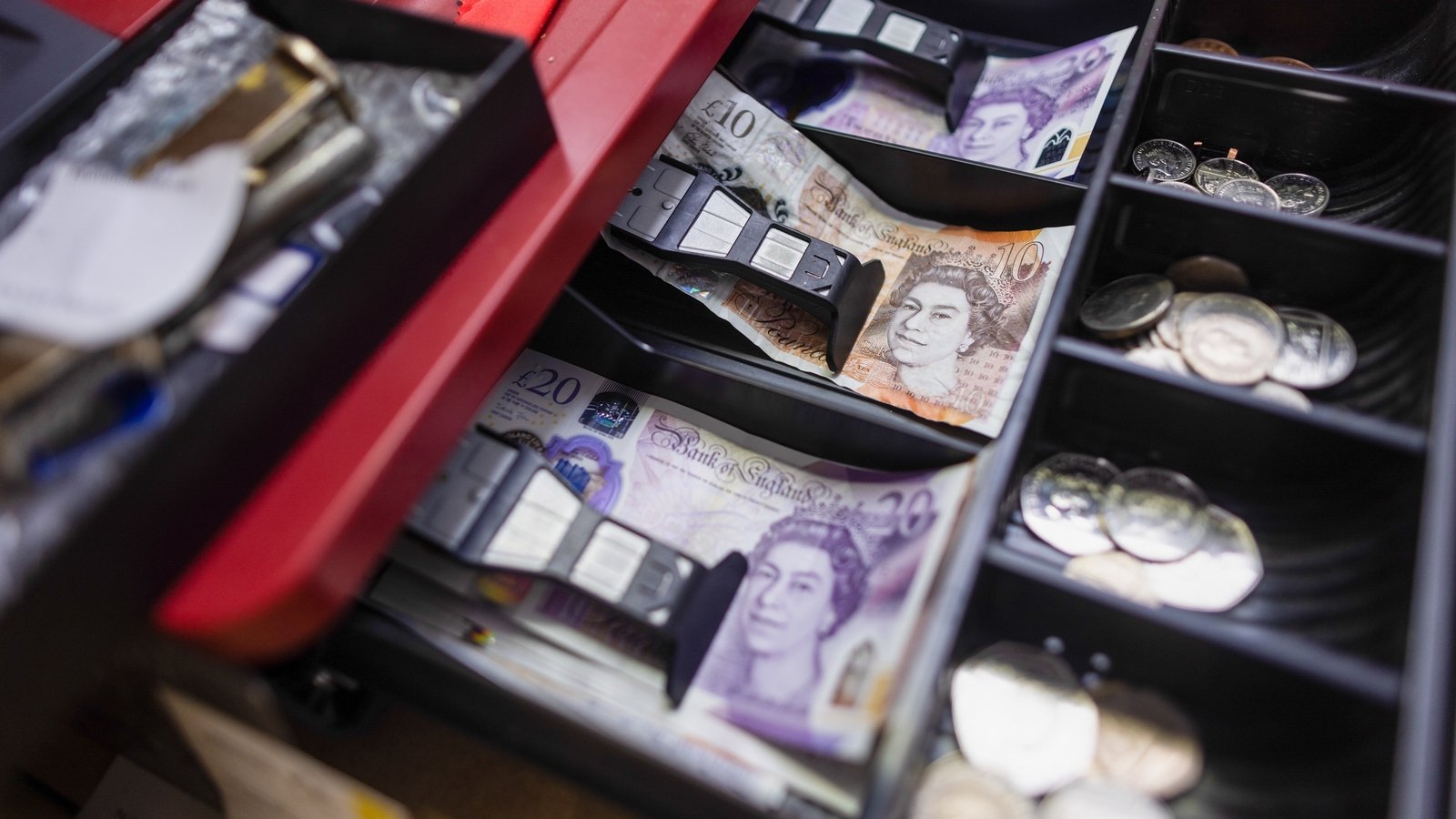

Yet this retail resilience coincided with official data showing consumer price inflation edging up to a one-year high of 3.6% in October. The figures, compiled by the Insight DIY and The Intermediary, marked the fourth consecutive monthly increase in the annual rate.
Despite the rising headline rate, underlying price pressures showed notable pockets of restraint. Food inflation slowed significantly, aided by discounting and falling chocolate prices. Core inflation, which strips out volatile energy, food, alcohol, and tobacco, held steady, providing some reassurance to policymakers that broader second-round wage-price spirals had not yet taken hold, as noted by Rte and Drapers.
| Economic Indicator | Previous Month (September) | Latest Reading (October) | Key Driver / Context |
|---|---|---|---|
| Retail Sales Volumes | -0.3% (food stores drop) | +0.7% (monthly increase) | Boosted by government preparedness campaign and cooler weather for clothing. |
| Consumer Prices Index (CPI) | 3.5% | 3.6% | Fourth consecutive monthly increase, driven by motor fuels and tobacco duties. |
| CPIH (including owner occupiers' costs) | 3.6% | 3.7% | Reflects broader housing and energy cost adjustments. |
| Core CPI | 2.8% | 2.8% | Held steady, indicating subdued broad-based price pressures. |
| Food Inflation (Narrow) | 1.2% / 1.3% | 0.8% / 0.9% | Slowed to its lowest rate in nearly five years, aided by cheaper chocolate. |
The economic picture remains intensely fractured for consumers and businesses alike. While retailers such as Marks & Spencer reported solid momentum entering the festive period, others noted softening trends or acute financial distress. Meanwhile, the BBC reported that Chancellor Rachel Reeves emphasised government determination to bring prices down through upcoming fiscal measures, even as opposition figures blamed tax and employment cost hikes for compounding household burdens.
The Bank of England, which raised interest rates earlier in the month in response to persistent risks, continues to project that inflation will climb further toward a peak near 5% by the middle of next year. That trajectory is heavily tied to anticipated surges in household utility bills, with independent forecasters warning that regulated energy costs are poised for steep increases. For context on these mounting domestic pressures, readers can review our reporting on how UK energy bills are set to rise 26pc in January to £2,166, alongside international trends explored in US inflation tops forecasts in October, raising odds of Federal Reserve rate hike and the domestic fallout detailed in UK inflation hits 3.6% as mortgage borrowers face new interest rate pressure.
What to watch next
- 25 November: Ofgem is scheduled to announce the official quarterly energy price cap level for the upcoming quarter.
- 16 December: The ONS will publish the latest consumer price inflation data covering November.
- 17–18 December: The Bank of England’s Monetary Policy Committee will meet to deliver its final interest rate decision of the year.