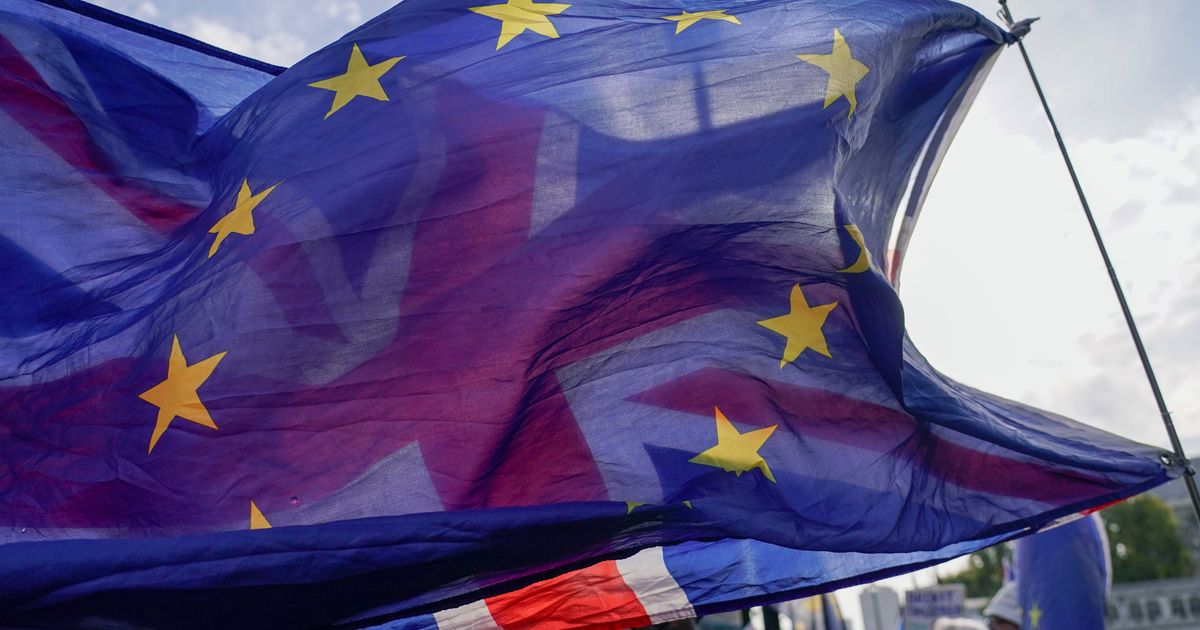
UK and EU reach post-Brexit deal to ease trade and youth mobility
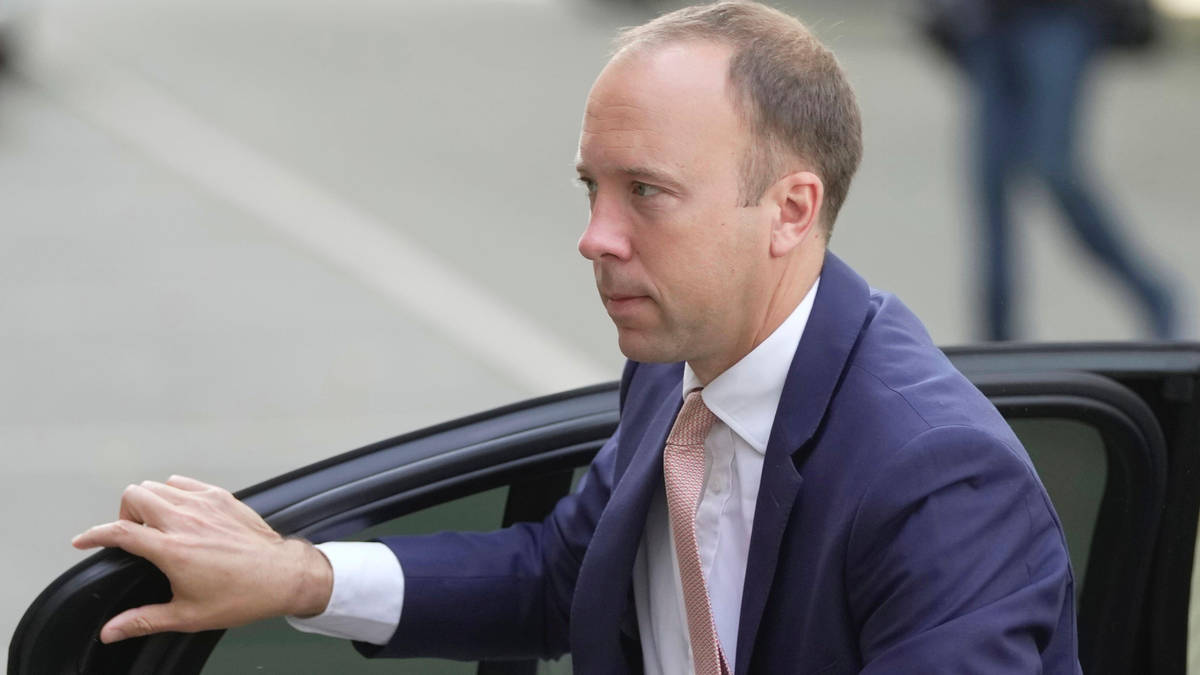
Prime Minister Andy Burnham and EU leaders have announced a post-Brexit package easing trade restrictions and introducing a youth mobility scheme, drawing mixed domestic reactions.

A decade after the divisive referendum on European Union membership, the United Kingdom is exploring a fundamental realignment of its ties with Brussels.
Following a recent UK-EU summit in Brussels, UK Prime Minister Andy Burnham and European Commission President Ursula von der Leyen announced a series of agreements designed to ease trade restrictions, introduce a youth mobility scheme, and link carbon levies. Burnham hailed the package as rebuilding bridges broken during the bitter Brexit divorce, while European Council President António Costa affirmed that the EU remains open to the closest possible relationship.
Media additions

The agreements emerge from a post-Brexit reset of relations that originally began under former prime minister Sir Keir Starmer. Burnham has broken with previous red lines by floating potential options for the future, ranging from current arrangements to joining the single market or customs union, or eventually going all the way back into the bloc. European Commission spokesman Balazs Ujvari noted that it is for the UK government to set out its path forward, while French President Emmanuel Macron quipped "Welcome back" in English and stated that the prime minister's direction is good news for both sides.
Brussels diplomats remain cautious after a decade of political turbulence. According to an anonymous EU official cited by The Straits Times, officials are waiting for concrete actions rather than pleasant rhetoric, noting that the bloc is not changing its approach simply because of positive mood music. Sebastien Maillard, an expert at Chatham House, observed that the idea of Britain rejoining the bloc still appears unrealistic given past exemptions on the euro and Schengen zone.
Core Elements of the New UK-EU Package
- Trade in Food: Scrapping most checks on British food exports in exchange for the UK following select EU regulations, with implementation targeted for 2028.
- Youth Mobility: An annual experience scheme allowing up to 100,000 young people aged 18 to 31 from the EU to live, work, and study in the UK for up to three years, with reciprocal access for British youths.
- Emissions Trading: Concluded talks on linking the UK and EU carbon trading systems, with an aim to apply the agreement from 2028.
- Security and Law Enforcement: Commitments to share more data and work closely to tackle migrant smuggling and disrupt English Channel trafficking gangs.
Domestic reaction to the agreements has been sharply divided. According to the BBC, the Treasury projects the deal could boost the UK economy by up to £17bn a year and add up to 0.5 percent to gross domestic product. Conservative leader Kemi Badenoch disputed these figures, claiming the modeling points to 0.0 percent growth and arguing that the arrangement turns the UK into a rule taker while forcing young Britons to compete with arrivals from Europe. Reform UK leader Nigel Farage condemned the agreement as a betrayal of the British people, while Liberal Democrat leader Sir Ed Davey argued that the tweaks do not go far enough.
| Political Figure / Party | Stance on New UK-EU Deal |
|---|---|
| Andy Burnham (Prime Minister, Labour) | Defends agreements as a good deal that cuts costs, boosts GDP, and restores broken bridges. |
| Kemi Badenoch (Conservative Leader) | Claims the deal is unfair, turns Britain into a rule taker, and disputes Treasury economic growth projections. |
| Nigel Farage (Reform UK Leader) | Condemns the reset as a betrayal and an attempt to humiliate a sovereign nation. |
| Sir Ed Davey (Liberal Democrat Leader) | Argues the youth mobility measures are a step forward but insufficient for a comprehensive new arrangement. |
Public opinion on Europe has shifted significantly since the 2016 vote. Polling expert Sir John Curtice noted to Al Jazeera that surveys show an average of 62 percent favour rejoining when undecided voters are excluded, though analysts point out that support for softer, incremental closer ties is often less firmly held than full membership.
Legal and constitutional scholars emphasize that any path back into the bloc remains politically complex. Sionaidh Douglas-Scott of Queen Mary University of London highlighted that while a rejoin process could theoretically proceed without another referendum, doing so without public consent would be politically challenging. Meanwhile, Anand Menon of King’s College London observed that the issue currently suffers from lower salience compared to 2016, as many voters remain scarred by the trauma of the original debate.
Legislation to implement the current deal is expected to be introduced in the UK Parliament next week. Over the coming months, both sides intend to conduct an informal brainstorming process ahead of the next summit to evaluate long-term options for the bilateral relationship.